Nebraska Lawmakers May Face Civics Test Under Proposed Bill
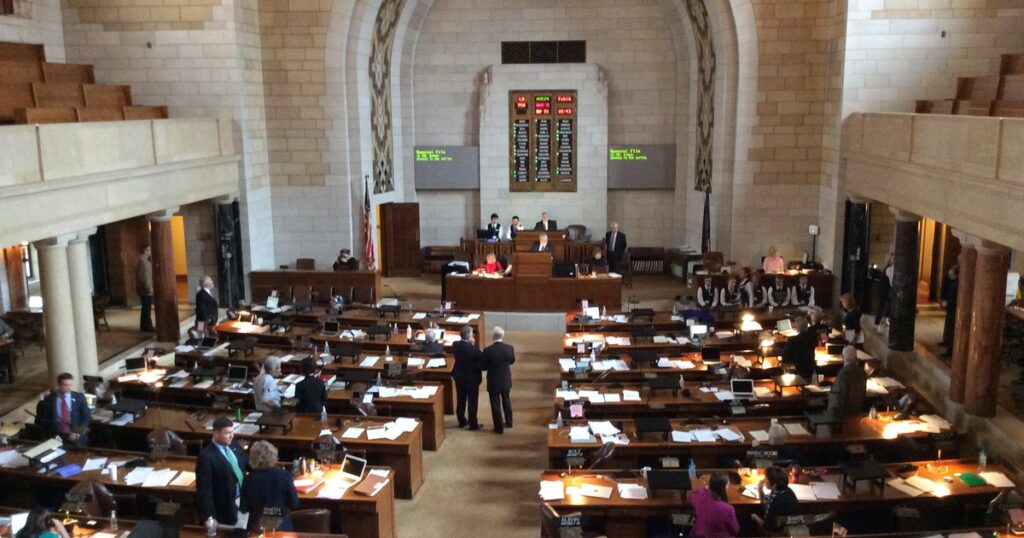
Legislation in Nebraska is stirring debate as it proposes a civics test for new state lawmakers, echoing a requirement already in place for high school students and immigrants seeking citizenship. The bipartisan initiative aims to enhance legislators’ understanding of the U.S. government, though passing is not mandatory.
Under Legislative Bill 1066, introduced by State Sen. John Fredrickson of Omaha, new members of the Nebraska Legislature would take a 20-question civics test, with their scores publicly posted online. While the test results wouldn’t impact a lawmaker’s ability to serve, the scores would appear on the Legislature’s official site and the individual’s public biography.
Fredrickson, inspired by constituents from across the political spectrum, believes the test could bolster legislators’ appreciation and understanding of their role in upholding the Constitution, especially as the nation approaches its 250th anniversary. “We have a very serious job,” Fredrickson remarked, emphasizing the importance of lawmakers educating themselves on constitutional responsibilities.
The measure has garnered support from a politically diverse group of senators, including Republicans like Stan Clouse, Tanya Storer, and Paul Strommen, as well as progressive independent Megan Hunt. The proposed test aims to refresh lawmakers’ knowledge of basic governmental principles, encouraging them to lead rather than follow.
Fredrickson highlighted past instances where legislators appeared to misunderstand their role, such as reversing votes after a gubernatorial veto. He recounted an incident involving a bill to lift a public food aid ban for certain individuals, which was ultimately blocked by Governor Jim Pillen’s veto. “We were elected to lead, not to follow, and certainly not to flinch,” he asserted.
Sen. Tanya Storer expressed her support, stressing that understanding civics is fundamental for lawmakers regardless of their backgrounds. “It’s not a partisan issue. It’s an American issue,” Storer said, highlighting the shared journey towards democracy.
Though admitting that not everyone enjoys tests, Storer noted the potential benefits, such as encouraging legislators to be more intentional about their civic knowledge. She emphasized that failing the test would not result in removal from office but could motivate further learning.
The test questions might be sourced from the U.S. naturalization exam or designed by state officials. Administered within 90 days of taking office, those who don’t pass would be invited to a voluntary seminar on civic literacy. This initiative mirrors a similar requirement for Nebraska students, who must complete a civics-related task to graduate.
The introduction of LB 1066 marks a potential first for state legislatures, and a public hearing on the bill will be scheduled soon.