NC Promise Initiative Faces Budget Challenges Amid Growing Enrollment
As North Carolina’s Promise initiative continues to attract more students, the program is grappling with financial shortfalls for the third consecutive year. The initiative offers a significant tuition discount to students, charging in-state students $500 and out-of-state students $2,500 per semester at four UNC System schools.
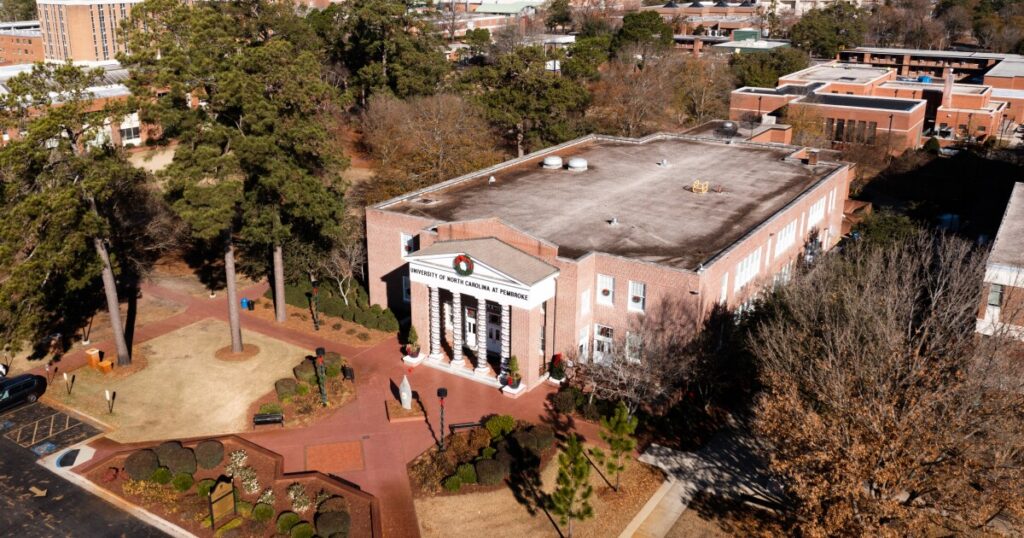
Since its inception in 2018, the program has spurred enrollment increases: UNC Pembroke by 3%, Western Carolina University by 11%, and Elizabeth City State by an impressive 62%. Fayetteville State University, which joined the initiative in 2022, has seen a 28% rise in student numbers. This increase has contributed to a marked reduction in undergraduate debt, as noted by a UNC System report.
Funded by taxpayer dollars, the state legislature covers the gap between regular tuition and the reduced rates, approximately $2,300 for resident students and over $11,000 for nonresidents. Despite this support, the legislature only funded 87% of the required buydown this academic year, resulting in a projected $3.3 million deficit for the UNC System in 2023-2024, following a $6.4 million shortfall last year.
Initially, the state contributed robustly to the program, providing $51 million in the first two years and increasing it to $66 million annually by 2020. With Fayetteville State’s addition in 2022, funding rose to $92 million. Despite early skepticism about ongoing support, the General Assembly has shown intent to continue funding the initiative, albeit with discrepancies between enrollment projections and actual figures.
According to Jennifer Haygood, Chief Financial Officer of the UNC System, enrollment predictions have often been off the mark, with in-state enrollment rising by 4% and out-of-state by 10%, exceeding expectations. This discrepancy contributes to the financial strain, particularly due to the higher cost of subsidizing nonresident tuition, which now constitutes 47% of the program’s budget.

The House and Senate have proposed increasing nonresident tuition by $500 to $1,000 per semester, which could adjust the rates to $3,000 to $3,500. Haygood emphasized the need for a timely decision on these adjustments to align with academic year planning.
The initial allocation for the NC Promise institutions totals $84.1 million, with Elizabeth City State University receiving $8.5 million, UNC Pembroke $17.9 million, Fayetteville State University $18.4 million, and Western Carolina University $39.4 million. However, a shortfall is anticipated during the summer term, where only $7.9 million remains to cover costs.

While the UNC System has not traditionally sought additional funds to address budget gaps post-fiscal year, Haygood indicated that the focus remains on managing the shortfall proactively for future terms.
WUNC partners with Open Campus and NC Local on higher education coverage.