Milwaukee Sees Notable Drop in Traffic Fatalities in 2025
Milwaukee has recorded its lowest traffic fatality figures in four years, according to recent announcements by city officials. The city saw a total of 57 traffic-related deaths in 2025, marking a significant 20% decrease from 70 deaths in 2024, as noted by Mayor Cavalier Johnson during a press conference held at South Division High School. This decline is the most substantial since the 2022 peak, which saw 77 traffic fatalities.
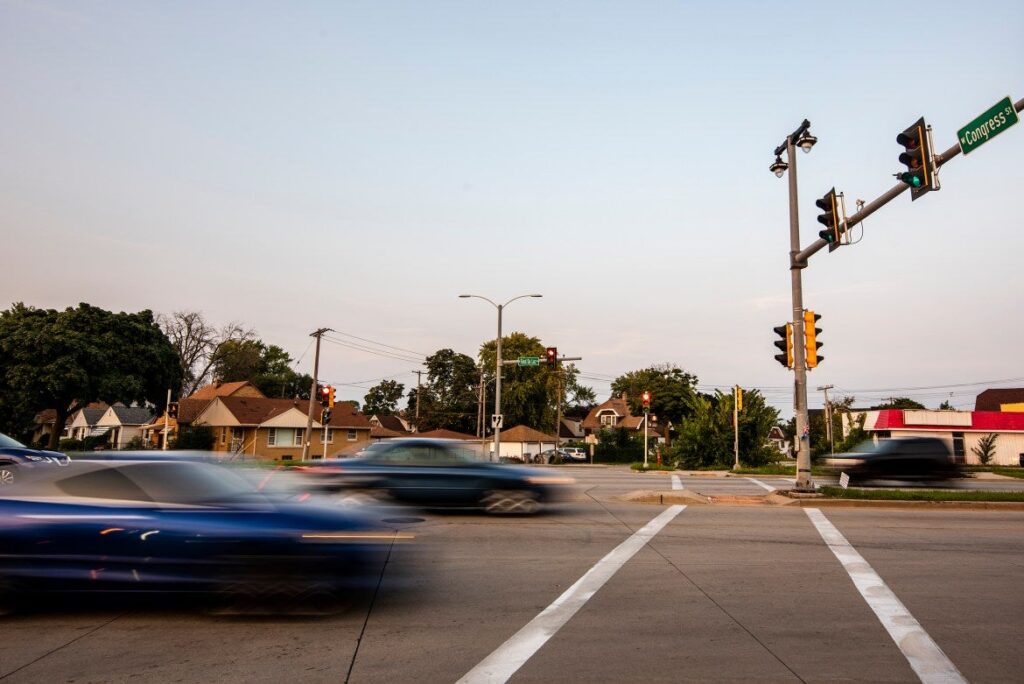
The issue of reckless driving has long plagued Milwaukee. From 2002 to 2022, Milwaukee County experienced a staggering 113% rise in traffic deaths, even as the state as a whole saw a 36% reduction. Since 2010, over 994 individuals have lost their lives in accidents, with approximately 4,000 others suffering life-altering injuries.
This decline follows Milwaukee’s adoption of the “vision zero” action plan, aiming for no deaths or severe injuries from traffic incidents by 2037. Mayor Johnson emphasized the comprehensive nature of this initiative, stating, “(It layers) engineering, education, enforcement, emergency response and policy, because that’s what helps to save lives.”
Efforts to curb traffic fatalities included the implementation of traffic calming measures and fostering walkable neighborhoods. The Milwaukee police and fire departments have intensified their response to crashes and cracked down on hazardous drivers. Additionally, municipal judges have reduced leniency in reckless driving cases.
“It’s this coordinated effort, this coordinated action that’s showing up in the data,” Johnson mentioned. “Milwaukee has now seen three years of traffic death reduction. But our goal is not reduction, our goal is zero.”
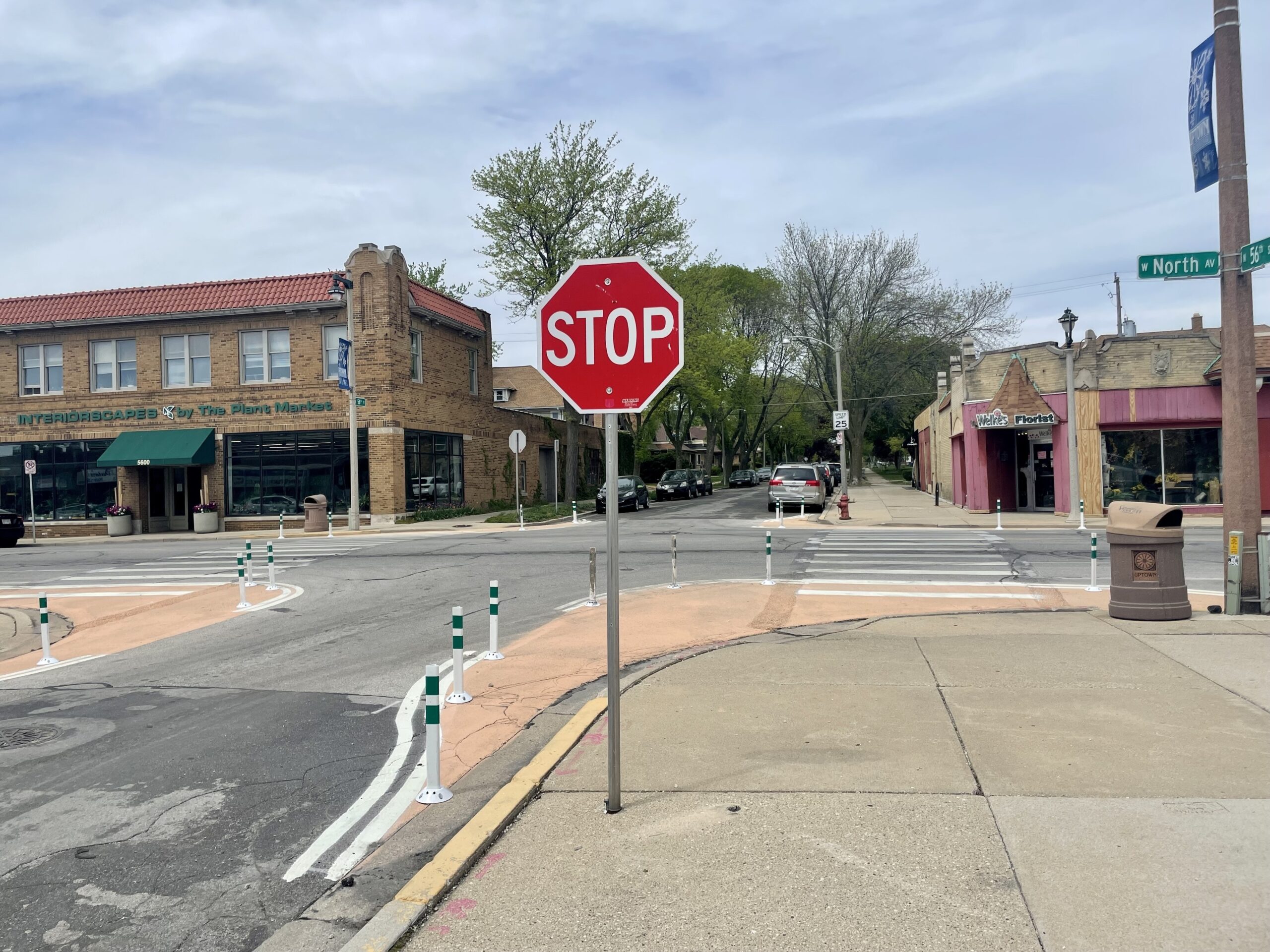
Jessica Wineberg, director of the Vision Zero Office, shared that over 8,300 community members engaged in educational programs in 2025. “We were present in neighborhoods, schools, community events and in places most impacted by traffic violence to share the message of Vision Zero and direct actions people can take to make our streets safer,” Wineberg explained.
Furthering these efforts, the Andrew Center for Restorative Justice at Marquette University is developing a program for young offenders, aimed at preventing future reckless driving while aiding survivors in healing from their trauma.
South Division High School’s principal, Jose Trejo, noted that collaboration with the city addressed parental concerns about traffic hazards during student drop-off and pick-up times. “The changes have slowed traffic in front of the school so it is much safer for our students as they get dropped off at the start of the school day,” Trejo stated. The school now also benefits from protected bike lanes, encouraging safer biking routes for students.