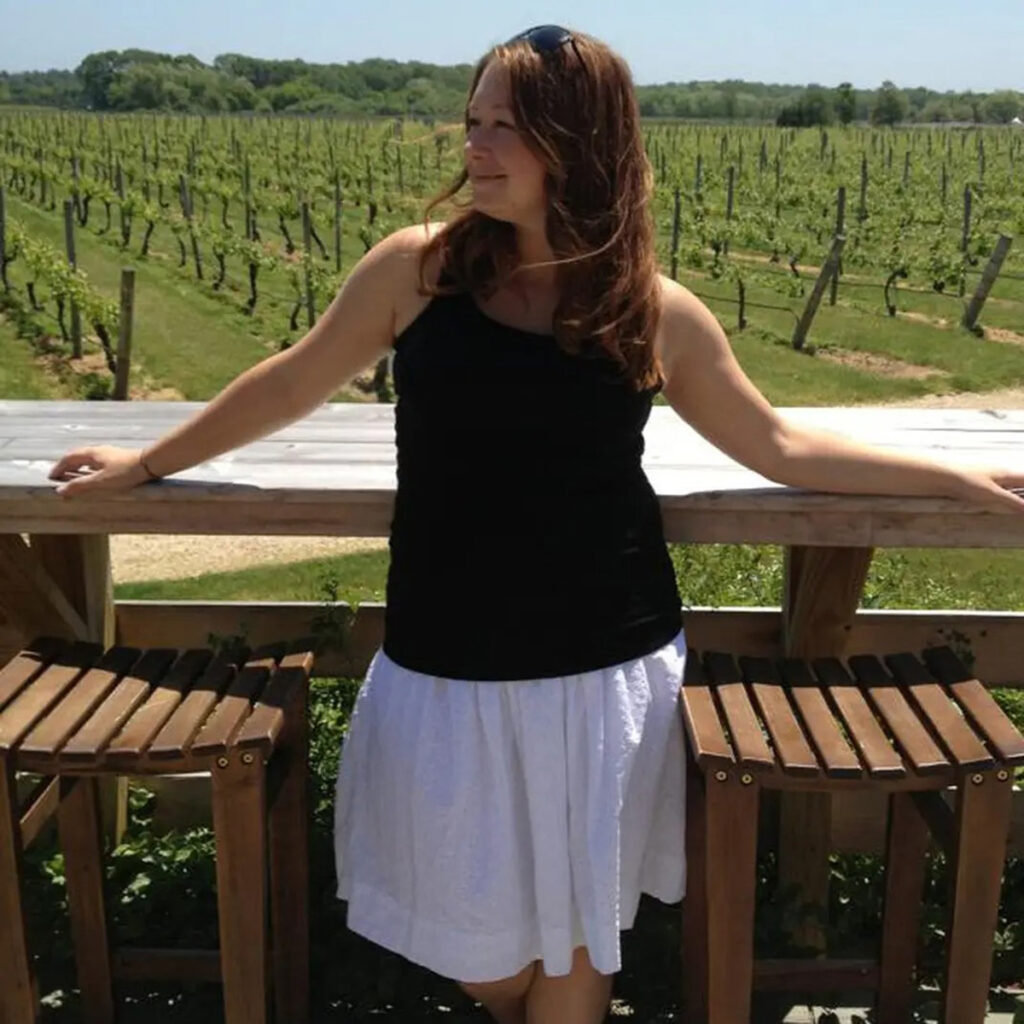
For many, the journey to recovery from addiction is a deeply personal and transformative experience. Meg Stowe’s story is one of resilience, illustrating that even those who seem to have it all together can be quietly fighting significant battles.
Stowe, an instructional consultant at the University of Michigan’s Center for Research on Learning and Teaching, appeared to flourish professionally. With a master’s and Ph.D. in English, her career was marked by academic success and a beloved role as a teacher and tutor. However, Stowe privately contended with a vulnerability to alcohol, rooted in childhood trauma and a family history of addiction.
“I was a very functional alcoholic,” Stowe revealed. She maintained a perfect GPA, earned teaching awards, and consistently delivered professional accomplishments, yet she couldn’t end her day without alcohol.
Today, Stowe credits her recovery to her honesty about her addiction and the support she received as a University of Michigan employee. “It’s not an exaggeration to say I would not have been able to get sober without the resources and flexibility I have here,” she said.

Growing up around alcohol and instability
Stowe’s familiarity with alcohol began long before her first drink. Growing up in New York, she was surrounded by a family where addiction was prevalent. Her father, grandparents, and great-grandparents were all alcoholics, with alcohol-related tragedies marking the family’s history.
“It was always there,” she recalled. “Alcohol was just part of the background of my life.” The loss of her mother at age 12 and subsequent placement in foster care only deepened her reliance on alcohol as a coping mechanism.
From restaurants to wine and a culture of drinking
In her teenage years, Stowe’s work in restaurants introduced her to wine and the culture of drinking, which later led to a role as a wine consultant in Florida. “It was kind of an entry-level job into viticulture,” she said, describing the opportunities to explore the world of wine deeply.
Though the role suited her curiosity and drive, it exacerbated her existing problems with alcohol. “The problem was already there,” she noted, “but working in the industry just encouraged me to go further with it.”
Hiding in plain sight
Eventually, Stowe returned to her passion for teaching, pursuing advanced degrees while balancing a demanding schedule teaching high school and working as a graduate student. However, the academic environment she inhabited was steeped in a culture of drinking.
“Graduate school was probably the biggest shift in terms of how my alcoholism affected me, because it was a huge drinking culture,” she recalled. While externally successful, she was internally exhausted and dependent on alcohol.
A new job, a new home and a hard truth
In May 2022, Stowe’s completion of her Ph.D. was followed by a new position at U-M, bringing a shift in her lifestyle. With fewer professional demands, she recognized her heavy reliance on alcohol during downtime. Despite attempts to moderate, she found herself unable to stick to any limits.
Finding help — and using her U-M health benefits
The turning point came with a candid discussion with her U-M primary care physician, Jasmine Parvaz. “I told her I was having a hard time stopping drinking,” Stowe said. She was referred to addiction specialists and began a productive journey towards sobriety.
With support from therapists and addiction specialists, she was introduced to Vivitrol, a medication that significantly curbed her cravings. “I was the first person at Michigan to try Vivitrol,” she said. “And it changed my life. I had absolutely no cravings for alcohol whatsoever.”
Shared sobriety at home
Stowe’s husband joined her on the sobriety journey, creating a supportive home environment free from alcohol. “We have the same sobriety date,” she noted. This joint commitment has led to numerous positive changes, including financial improvements that enabled them to purchase a house.


Stowe’s newfound sobriety has led to fulfilling activities, such as mentoring teenagers in foster care through the Judson Center. “It’s incredibly fulfilling,” she shared, appreciating the opportunity to provide stability and support for others.
A workplace that makes recovery possible
Stowe attributes her ability to focus on recovery to the supportive environment at U-M. The university’s health insurance and the flexibility offered by her manager have been crucial. “CRLT has been extremely flexible with me,” she said, emphasizing the importance of this support in her recovery journey.
Reframing alcoholism as illness, not failure
One of the most significant shifts for Stowe has been her perception of alcoholism. Initially reluctant to accept her condition, she now views it as a manageable illness. “It’s like being a diabetic,” she explained. “You have a disease that has side effects, and there are ways to treat it.”
Her willingness to openly discuss her journey aims to de-stigmatize alcoholism, helping others in similar situations. “If more of us talked about these experiences as high-achieving people, there would be more opportunities for others to experience what I feel is the joy of sobriety,” she said.