Domenico Grasso Appointed as University of Michigan’s 16th President
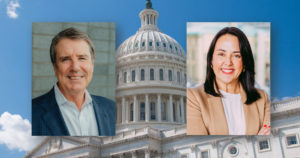
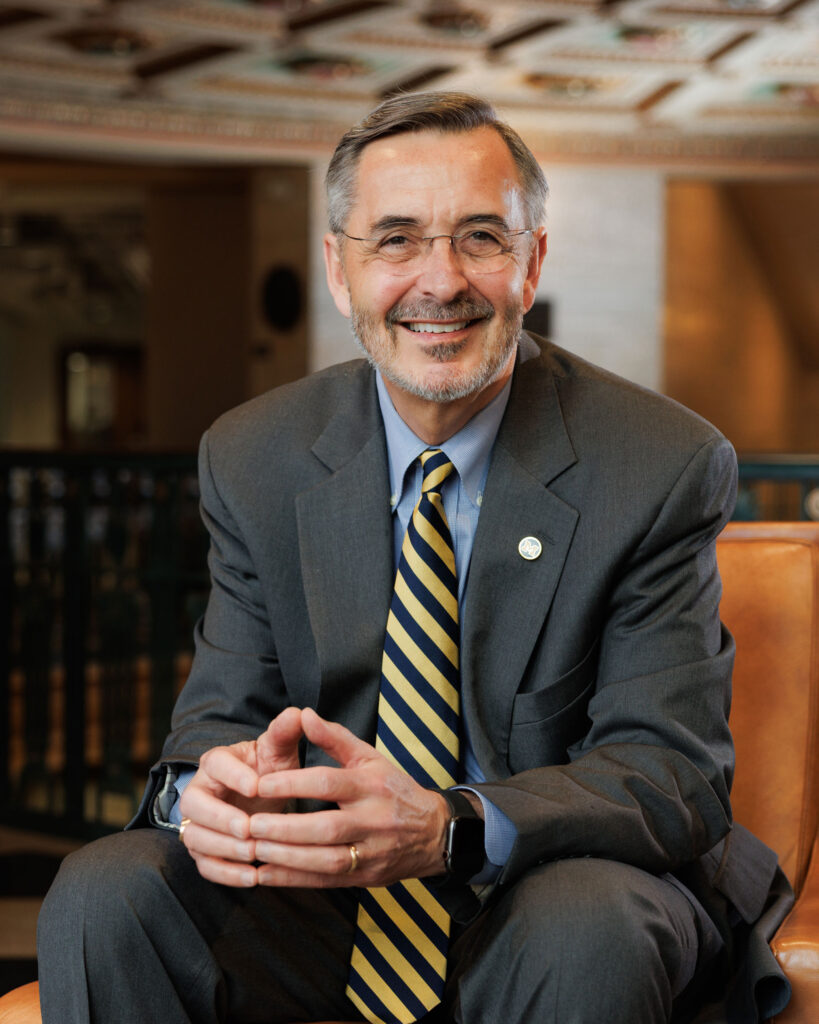
In an unexpected shift of leadership, Domenico Grasso has been officially named the 16th president of the University of Michigan. This appointment follows the withdrawal of Syracuse University’s Chancellor Kent Syverud, who was initially slated for the role but had to step down due to health issues.

The University’s Board of Regents decided to remove the “interim” designation from Grasso’s title, making his presidency effective retroactively from May 2025. This decision comes after the resignation of the former president, Santa J. Ono. Regent Carl Meyers expressed gratitude for Grasso’s continued leadership, stating, “We are grateful not only for his willingness to continue but also for all he has accomplished over the past year to provide stability and true leadership at a time when we needed it most.”
The University of Michigan’s rich history dates back to its founding in 1817. Originally based in Detroit, it relocated to Ann Arbor in 1837. The role of the university president was first established in 1852 with Henry Philip Tappan, a philosophy professor, as its inaugural leader.
Grasso is notably the first alumnus to become president since Alexander Grant Ruthven, who served from 1929 to 1951. Grasso holds a doctorate in environmental engineering from Michigan and is the second engineer to lead the institution, following James J. Duderstadt who served as president from 1988 to 1996.
In addition to his presidential duties, Grasso is a professor of civil and environmental engineering at UM-Ann Arbor and holds a secondary appointment in sustainable engineering at UM-Dearborn. He is recognized for his dual leadership roles, having been both the chancellor of a regional campus and now president of the entire university.
Mary Sue Coleman, the 13th president and the only woman to hold the position, commended Grasso’s leadership, saying, “President Grasso has provided strong, stabilizing leadership this past year, and I am confident he will continue to move Michigan forward as a great research university.”
Grasso’s admiration for historical university leaders is evident. He regards Tappan, Coleman, Duderstadt, and James B. Angell as iconic figures. Notably, like Angell, Grasso has ties to the University of Vermont, having served there in various academic roles.

Angell, Michigan’s third president, held the position from 1871 to 1909, the longest tenure in the university’s history. In reflecting on his career, he wrote, “The life of the president of a college or university is often spoken of as a hard and trying life. A laborious life with its anxieties it is. But I have found it a happy life. The satisfactions it has brought to me are quite beyond my deserts.”
Board Chair Mark J. Bernstein expressed appreciation for Grasso’s leadership during challenging times, stating, “We are profoundly grateful to President Grasso for answering the call to serve our university during these consequential and challenging times. He has agreed to postpone his retirement and will continue to serve as president until the next president begins.” The board intends to restart its search for a permanent president, confident of attracting exceptional candidates.
Grasso continues to live with his wife, Susan, and their dog, Nola, at the historic president’s residence on campus, a tradition that began with the university’s first president, Henry Philip Tappan.