In a move that could set the stage for debate over local governance and fiscal autonomy, the Buncombe County Board of Commissioners has voiced strong opposition to a proposed amendment on property tax limitations. This development comes at a time when many communities are grappling with financial constraints and the demand for essential services.
Opposition to Property Tax Limits
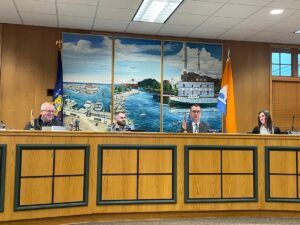
During their recent meeting, the Buncombe County Board of Commissioners unanimously passed a resolution rejecting a measure on this year’s general election ballot. This measure seeks to impose more stringent restrictions on local governments’ ability to levy property taxes. According to the commissioners, such a constitutional amendment would severely limit the county’s capability to manage unexpected crises like Hurricane Helene, sustain basic government operations, and compensate for insufficient state funding for public education.
Amanda Edwards, the Board Chair, emphasized the limited financial options available, stating, “As commissioners, we don’t have a lot of levers to pull in terms of where we can raise (revenue) to pay for the services we are required by law to provide.”
The proposed amendment calls on the General Assembly to enact laws that would cap the amount by which local taxes could be increased, though the specifics of these limits remain undefined. Despite the absence of details, the Republican-majority legislature has pushed the issue to a referendum. Buncombe County commissioners, all Democrats, have uniformly opposed this move, highlighting that property tax revenue constitutes 69% of the county’s general fund revenue for the current fiscal year.
The controversy intensified after the state legislature enacted a law requiring Buncombe and other counties to adopt a tax rate that generates revenue consistent with the previous year, despite recent property revaluations. Consequently, Buncombe County opted to rely on 2021 property values and increased the tax rate from 54.66 cents to 61.54 cents per $100 valuation.
Commissioner Drew Ball, who advocated for the resolution, argued that maintaining budget flexibility is crucial for dealing with extraordinary situations, referencing the challenges posed by Hurricane Helene. He further expressed concern over the state’s underfunding of schools, which has pressured the county to allocate more resources to education.
Contrastingly, North Carolina House Speaker Destin Hall, R-Caldwell, defended the amendment, arguing on X that it is essential to “stop out-of-control property tax hikes,” adding, “You worked hard to own your home. You shouldn’t be taxed out of it.”
Community Engagement: Fairview Parade
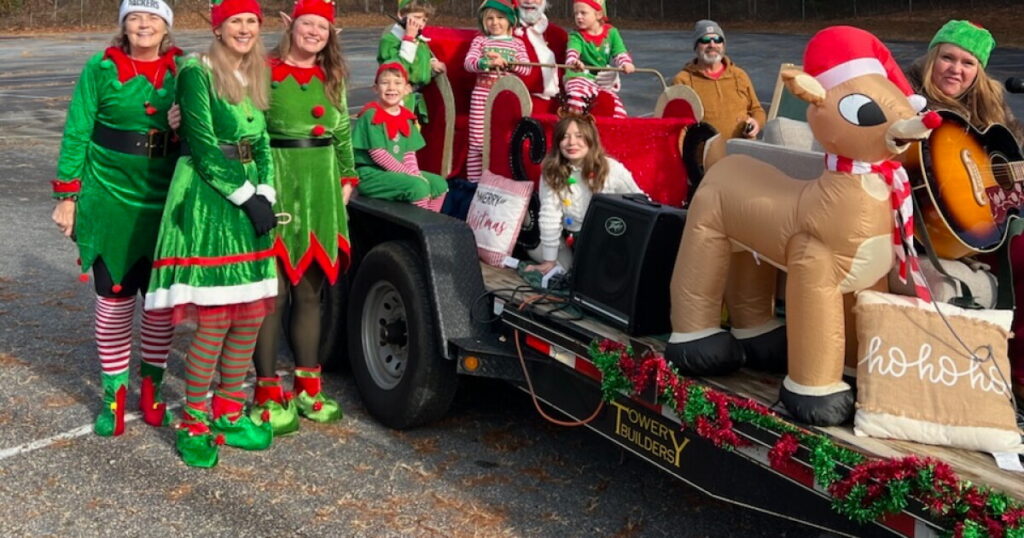
In other developments, the Board of Commissioners extended their support for the Fairview holiday parade, which has become a cherished community event. Cory Wall, a parade organizer, had previously expressed concerns about potential county hesitations regarding liability and other issues. However, the commissioners unanimously approved a letter backing the parade, allowing the event to proceed.
Wall emphasized the parade’s significance, stating, “It’s more than just a holiday (event), it’s about community, tradition and giving our families something to look forward to.” Event planners have ensured arrangements for traffic control, insurance, law enforcement, and funding.
The parade, initiated in 2024 to uplift community spirits post-Hurricane Helene, is held along Charlotte Highway, a state-owned road. Although the North Carolina Department of Transportation must authorize parades on such routes, local government endorsement is a prerequisite.
Infrastructure and Health Initiatives
Additionally, the commissioners approved a $480,000 state grant to refurbish a building in Black Mountain for a health care clinic. Operated by Appalachian Mountain Health, the clinic will provide care regardless of patients’ financial capabilities and is set to open in the first quarter of next year. Dogwood Health Trust will match the grant with $24,000, ensuring no cost to county government.
The commissioners also reviewed progress on countywide pedestrian infrastructure plans and development strategies for Swannanoa, expected to be finalized this winter. William High, the county’s lead transportation planner, highlighted the importance of these initiatives in addressing pedestrian safety and securing federal funding for enhancements.
Further details from the Board of Commissioners’ meeting can be accessed here. The next meeting is scheduled for November 5 at 5 p.m. at 200 College St., Asheville.