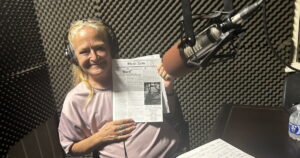
In a surprising legal maneuver, Jennifer Horton, a leading figure in Buncombe County’s political landscape, has taken legal action against the very government she serves. This unusual situation has led to a closed-door meeting among county commissioners to discuss the ramifications of Horton’s lawsuit.
Jennifer Horton, who filed her lawsuit on February 2 in the U.S. District Court for the Western District of North Carolina, claims that after her election to the Buncombe County Board of Commissioners, funding for five adult care homes she owned was unlawfully halted. Her business, Living Waters Enterprises, suddenly faced funding suspension, allegedly due to her new role on the board.
The crux of the issue lies in a provision in North Carolina law, which prevents counties from allocating “special assistance” payments to facilities linked to government officials with potential conflicts, such as county commissioners. Buncombe County Health and Human Services halted these payments once Horton assumed office in December 2024, as detailed in an Asheville Watchdog report.
Horton’s lawsuit further details her transfer of business ownership to her father-in-law, Richard Horton, following which state officials advised Buncombe County to continue payments without interruption. The lawsuit accuses local officials of stalling the case, citing breaches of the Fourteenth Amendment.
Among the allegations, Horton claims that Board Chair Amanda Edwards suggested her resignation could resolve the funding issue, a statement Edwards denies having made. Horton also criticized Phillip Hardin, BCHHS’s economic services director, for allegedly defying state authority by opposing the funding directive.
Neither Edwards nor county spokesperson Lillian Govus commented on the lawsuit, citing the ongoing legal proceedings. Edwards previously told Asheville Watchdog that the conversation Horton described never took place, while Hardin expressed concerns about potential overpayments if the state’s directive were followed.
Horton seeks monetary compensation and a judicial declaration of legal breaches by the county. The case, overseen by District Judge Max Cogburn and Magistrate Judge W. Carleton Metcalf, awaits further proceedings.
Additional Developments
- The Buncombe County Board unanimously agreed to join the state Commercial Property Assessed Capital Expenditure Program, aimed at facilitating financing for eco-friendly improvements. Local business owner Amy Kelly highlighted its potential benefits for community development.
- Assistant Director Ryan Cole briefed the board on the county’s response to a recent winter storm, noting the need for improved emergency infrastructure.
- Grant applications for nearly $2 million were approved to repair sidewalks in Swannanoa’s Beacon Village, with previous funds already secured for Whitson Avenue.
- A $54,000 grant from the N.C. Department of Environmental Quality will aid in purchasing a compost mixer for the county landfill, complementing Buncombe County’s waste reduction initiatives.
- Commissioner Al Whitesides declared February as “Black Legacy Month” in recognition of African-American history and heritage, emphasizing the importance of preserving historical awareness.
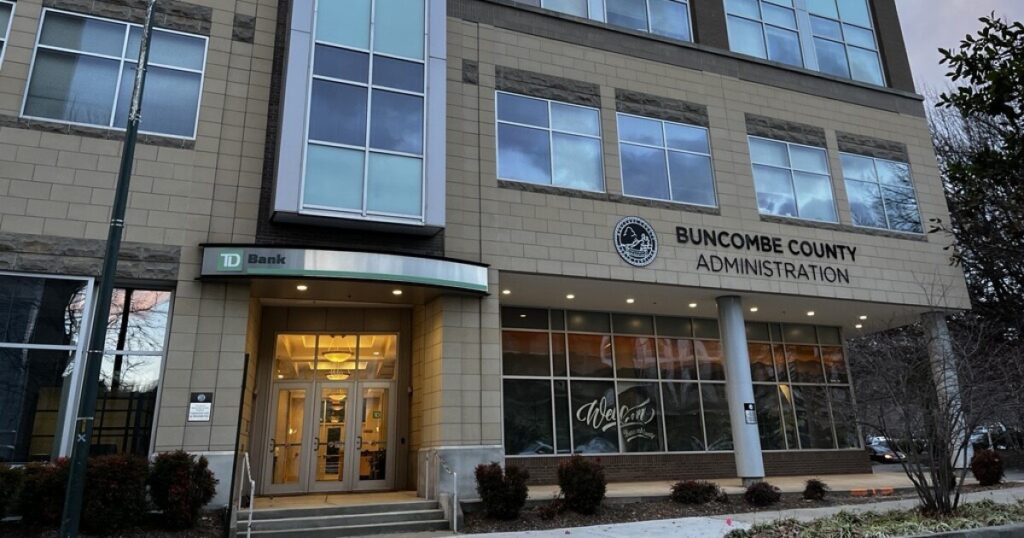
The Buncombe County Board of Commissioners convenes at 200 College St., Room 326, downtown Asheville, every first and third Tuesday at 5 p.m. The next session is scheduled for February 17. Access the full recording and the agenda of the February 3 meeting.