Wisconsin Students Dive into Waterway Health Research Through Insect Collection
A novel initiative is engaging students across Wisconsin in ecological research by training them to collect aquatic insects, which serve as indicators of waterway health. Known as BenthicNet, this project emphasizes the role of benthic invertebrates—organisms residing at the bottoms of water bodies—in environmental monitoring.
Launched during the summer, BenthicNet, funded by the Freshwater Collaborative of Wisconsin, aims to train students in the identification and preservation of these organisms. This initiative seeks to enhance public and scientific access to collections that are pivotal for prioritizing water-quality monitoring by various agencies.
Jessica Orlofske, an associate professor at the University of Wisconsin-Parkside, underscores the significance of these organisms, stating, “The organisms that live in these water bodies are our best allies and friends for making sure our freshwater stays swimmable, drinkable and fishable.”
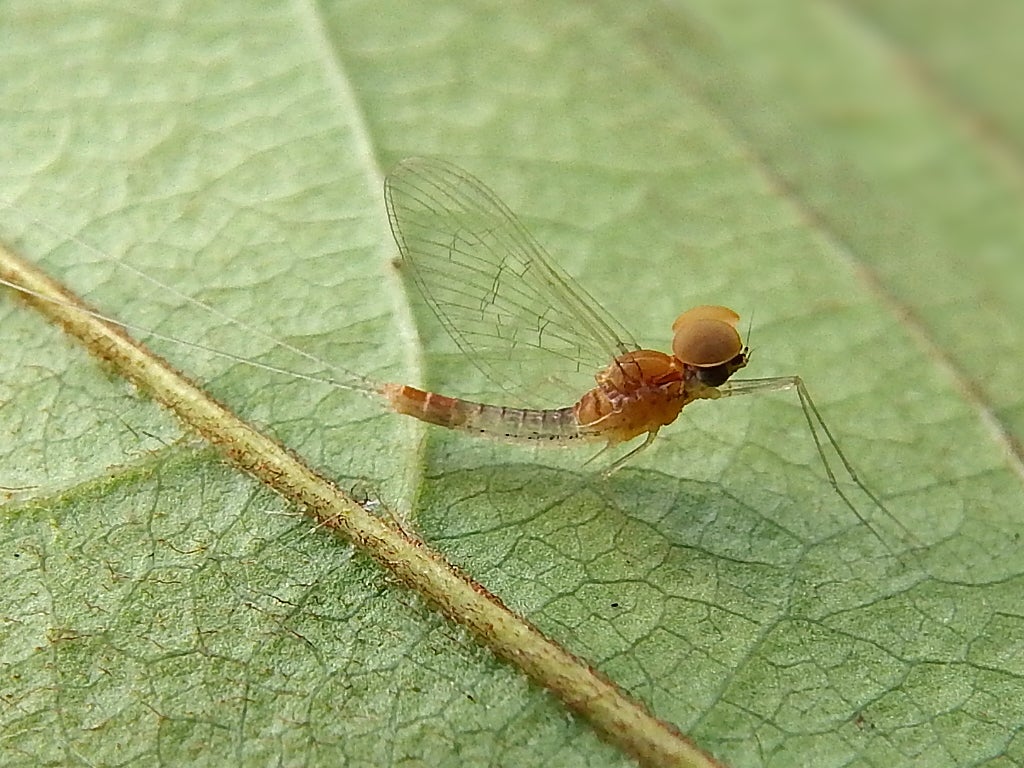
Aquatic insects, integral to the ecosystem as both food sources and nutrient recyclers, vary in their sensitivity to pollutants like fertilizers and pesticides. According to Jeff Dimick, manager of the Aquatic Biomonitoring Lab at UW-Stevens Point, the presence of species such as stoneflies and mayflies often signals healthy water quality. “If we see a good abundance of mayflies and stoneflies and caddisflies, and we see a number of different species from each of these groups, that’s generally an indication of good ecological condition and good water quality,” Dimick explained.
In a recent workshop at Treehaven, students participated in netting stoneflies from the Wisconsin River. The project involves collaboration among UW-Stevens Point, UW-Parkside, UW-Madison, and the Milwaukee Public Museum, each contributing extensive insect collections accumulated over years.
Craig Brabant, curator of the Wisconsin Insect Research Collection, highlighted UW-Madison’s vast repository of over three million specimens, with 750,000 aquatic insects collected by the late entomologist Bill Hilsenhoff. Brabant noted Hilsenhoff’s contributions in developing a biotic index that assists in assessing freshwater quality globally.
As the collection efforts progress, updating scientific classifications remains crucial for accurate long-term monitoring. “If (the organisms aren’t) there now or in the future, that gives us information on how landscapes and waterways might be changing,” Orlofske stated, emphasizing the importance of historical data in informing current and future environmental management.
Dimick further explained that the presence or absence of specific insects can reveal the extent of sediment or nutrient runoff into water bodies. The initiative’s scope covers diverse waterways, from small wetlands to large lakes like Lake Michigan.
The collected insects are preserved either by pinning or in vials with ethanol. The project plans another workshop in January, with hopes to digitize and share the collected data online by next spring, enhancing accessibility and utility for ongoing environmental assessments.