Scrutiny Over Foreign Influence in Higher Education Intensifies
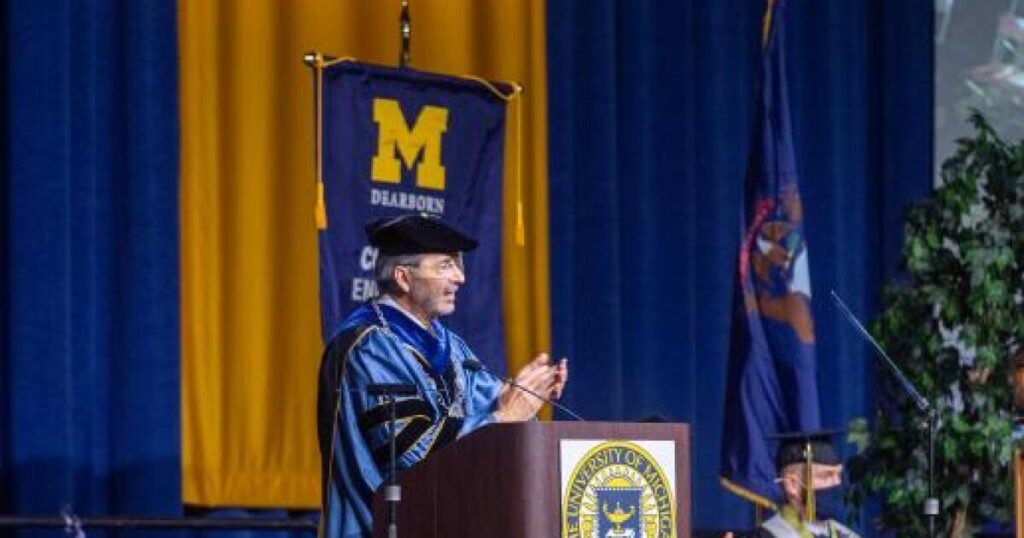
In a recent U.S. House Committee hearing, the spotlight was on the University of Michigan as Interim President Domenico Grasso testified about the potential foreign threats to higher education. This discussion comes amid a broader initiative by the Trump administration to enhance oversight of foreign funding in American universities.
The University of Michigan has come under federal investigation for its disclosures of foreign gifts, following an incident involving three Chinese students charged with attempting to smuggle biological materials—specifically, small transparent worms—into the United States. Although these charges were eventually dropped, the investigation into the university’s dealings remains active.
Grasso emphasized the university’s collaboration with federal law enforcement, which included terminating work visas and cutting ties with the implicated students. He assured the committee of the university’s dedication to maintaining national security while fostering international research collaborations.
“Housing some of the world’s greatest minds makes the University of Michigan a potential target of threats, such as research espionage, unauthorized technology transfer, and foreign talent recruitment programs,” stated Grasso during his testimony.
To combat these threats, U of M has implemented a comprehensive program focusing on research security and compliance. This includes risk management strategies for international collaborations, mandatory training sessions, and enhanced data security measures. Additionally, the university plans to tighten background checks and increase scrutiny over biological materials involved in research.
Grasso pointed to the university’s recent decision to end its partnership with Shanghai Jiao Tong University following charges of espionage against five Chinese students as a testament to their commitment to U.S. security. Yet, he clarified that the students involved in the worm smuggling incident were not researchers and thus did not have access to sensitive research data.
In response to inquiries about potential intellectual property breaches, Grasso mentioned that no audit was conducted since the students involved were not connected to any research projects at the university.
The university is also working to strengthen its collaboration with federal intelligence agencies to improve the vetting process for international student visas.
During the hearing, Congresswoman Suzanne Bonamici from Oregon highlighted a different concern, arguing that student affordability poses a greater threat than foreign influence. “Students and families are being forced to take out crushing loans that may take them decades to repay,” she remarked.
This discussion occurs as the Trump administration plans to transfer the management of federal student loans from the Education Department to the Treasury Department, aligning with its broader agenda to restructure the Department of Education.
Editor’s note: The University of Michigan holds Michigan Public’s broadcast license.