Exploring School Bond Proposals: What Voters Need to Know
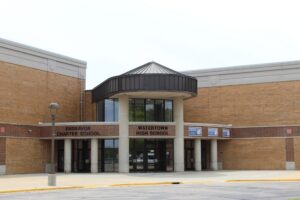
As the November 4 election approaches, school districts across Michigan, from Zeeland to Novi, are seeking voter approval for various bond proposals. These proposals are crucial for funding major capital projects, as they rely on local property taxes, also known as millages.
Unlike operating millages, school bonds have unique characteristics:
- They apply to most homeowners, not just commercial properties and secondary residences.
- Funds from bonds are designated for “capital projects” rather than general expenses like teacher salaries or utilities.
Capital projects can include the construction of new buildings, renovations, and acquiring security equipment, technology, and school buses. Essentially, a bond acts as a loan providing districts with immediate funds for large projects, which are then repaid over time through millages.
Unlike sinking funds, bonds are not used for minor maintenance tasks. Voters have the power to decide if these projects justify the associated tax increase.
According to David Arsen, professor emeritus in education policy at Michigan State University, school bonds offer a platform for community and school leaders to align on district priorities. Although bonds can’t directly cover salaries and utility costs, they can alleviate financial pressures by funding projects that might otherwise drain operating budgets.
“They’re taking money that could be used to reduce class size, that could be used to increase teacher salaries,” Arsen explains. “So in those situations, passing a facility bond could help. It’s not a direct funding of those sorts of things, but it reduces the amount the district has to otherwise spend on those things too.”
Understanding School Bond Proposals
Where can I learn about what a bond will be used for?
School districts usually provide detailed information about bond proposals on their websites, including project details, timelines, and budgets. Visuals of areas needing upgrades and scheduled pay-offs can also be found. David Arsen suggests that spending a few minutes browsing online can offer a comprehensive view of upcoming plans, fostering community involvement.
Community engagement is further encouraged through school board meetings, town halls, social media, and videos. “This is one area where we have local control and the proposals actually get a lot of vetting,” Arsen notes.
How can I make sure a district uses funds appropriately?
The bond approval process involves rigorous scrutiny. Applications submitted to the state treasurer include cost analyses, detailed plans, and student usage estimates. Districts must demonstrate that the cost per square foot is reasonable and that they can repay the loan. Upon completion, an audit ensures funds are used as promised, with results available on the state treasury website.
Can bonds be paid with existing taxes?
While districts can’t use operating millages for bonds, they often renew or extend existing millages from previous bonds. For instance, Novi Community Schools is pursuing a $425 million bond with a new millage. However, due to the repayment progress on a 2019 bond, the tax rate might remain stable.
Is it a big deal when bond or sinking fund proposals fail?
Bond proposal failures, though increasing, aren’t catastrophic. They initiate further discussion and reassessment. Watervliet Public Schools successfully passed a $13.5 million bond after an initial failure, by gathering community feedback and reducing the requested amount. Conversely, Mason Consolidated Schools faced challenges despite community support in surveys, highlighting the complexities in aligning voter approval.