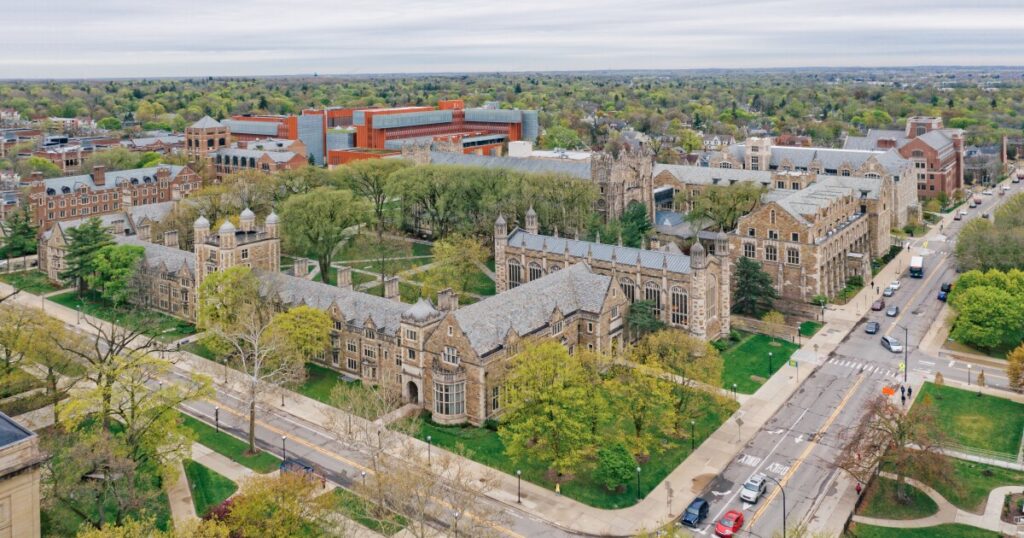
The University of Michigan is advancing a substantial project that has stirred debate in Ypsilanti Township. The institution has earmarked a 144-acre site on Textile Road for a proposed “research computing center,” estimated to cost $1.25 billion, lauding the location for its zoning compatibility and proximity to existing infrastructure.
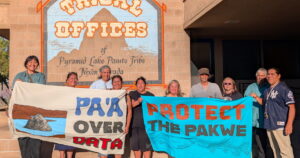
Located nearby the Huron River and a public park, this development has faced backlash from activists and local officials due to concerns about resource consumption and its potential role in nuclear weapons research. The university, however, asserts that their collaboration with Los Alamos National Laboratory will strictly involve “computational modeling for nuclear stewardship,” ensuring the safety of nuclear stockpile without necessitating live tests.
Despite these claims, Ypsilanti Township attorney Doug Winters expressed firm opposition, stating, “we don’t want them anywhere in this township.” U-M president Domenico Grasso, on the other hand, defended the initiative, emphasizing the institution’s commitment to future generations by investing in groundbreaking research opportunities.
The university insists that the facility is not a simple data center but a “computing and research hub” aimed at advancing scientific and educational endeavors. Measures to minimize environmental impact, such as reducing water consumption and prioritizing energy efficiency, have been pledged.
The U-M Board of Regents approved the site purchase in June 2025, with the acquisition finalized in March. Initially, an alternative site at the American Center for Mobility in Willow Run was considered.
Local officials dissatisfied with university communication
Local officials, represented by Winters, are exploring ways to challenge the project, maintaining that the process is still open for discussion. “We don’t feel like this is a done deal,” Winters remarked, comparing the situation to an unavoidable negative outcome. He criticized the university’s lack of communication, stating, “Is there no moral authority left anymore at the decision-making level? Of course, they should involve the local officials, the local communities.”
Michigan’s public universities operate with a level of constitutional autonomy, allowing them to bypass local zoning laws and independently determine land use. As noted by The Detroit News, these universities can purchase land statewide to suit their purposes.
Despite not requiring township approval, Winters felt the absence of communication from the university was unjust. U-M spokesperson Paul Corliss announced plans for public engagement, including a town hall on September 9 at Ann Arbor Marriott Ypsilanti at Eagle Crest, to facilitate community dialogue.
Corliss stated, “The University of Michigan is committed to creating opportunities for meaningful dialogue as plans for the high-performance research computing center move forward.”
What will the facility be used for?
The facility’s computing resources will be allocated for initiatives like accelerating drug discovery and employing AI tools for brain tumor analysis. Los Alamos, focusing on nuclear weapons research, will utilize its share to support offsite plutonium pit production.
According to the university, the site will not engage in nuclear weapons manufacturing, storage, or active operations. Instead, its focus will be on the safety and reliability of existing arsenals and broader national security concerns, including energy infrastructure and cybersecurity.
Editor’s note: The University of Michigan holds Michigan Public’s broadcast license.