Troy’s Quest for a New Public Library: Challenges and Future Plans
Troy, Michigan, finds itself at a crossroads as city council members grapple with securing funds for a new public library. Last year, a comprehensive $137 million bond proposal was turned down by residents, which included not only library development but also improvements in roads, parks, and public safety.
The city’s mayor, Ethan Baker, revealed that the proposal was rejected by 55% of voters, with 45% in favor. “Troy just doesn’t do a lot of these bond proposals, so it’s not part of the regular voting pattern,” Baker noted, highlighting the rarity of such initiatives since the last bond approval in 1999.
Baker attributed part of the rejection to economic uncertainties impacting voter decisions. “People have really been concerned about the effects of tariffs, just that uncertainty in general, based on what’s happening in Washington and even Lansing at this point,” he explained. The library’s initial cost projection of $40-$50 million escalated to $75 million due to inflation and architectural design estimates.
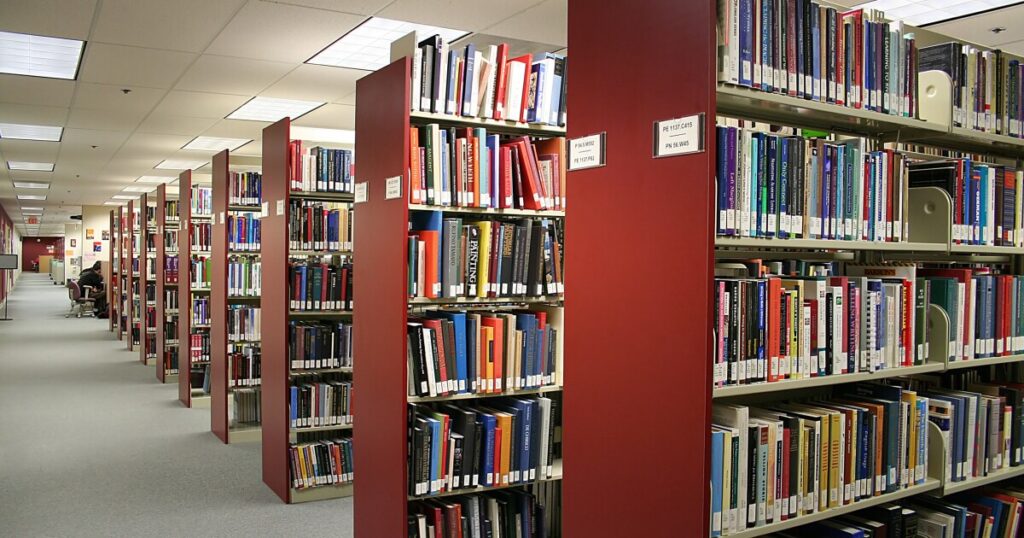
Despite the setback, the community’s engagement with the library indicates a strong desire for an enhanced facility. “It’s the No. 1 most visited gathering place,” Baker emphasized, pointing out its significance for educational purposes. From children to seniors, the library serves as a vital resource for all age groups in the city.
Baker stressed the library’s role as a community asset, stating, “The bones of the building are not really great for that kind of major rehabilitation process.” He emphasized the need for a library that reflects the community’s stature, suggesting that a new library is essential to meet residents’ expectations.
Currently, the city council is deliberating future actions, which might include proposing another bond for constructing a new library or renovating the existing one. In 2024, the Troy Public Library completed a Strategic Plan to evaluate its current status and plan for the future.
This year, the focus will be on educating the public about the city’s needs and gathering feedback on what residents are willing to support financially. “We provide, you know, A-plus library services in a D-plus building,” Baker remarked. He challenged the community to aim for an “A-plus building” to match the exceptional services offered.