Nebraska’s Educational Funding Dilemma: Balancing Taxes and Spending
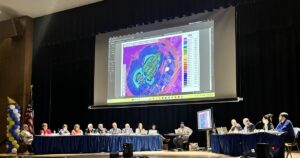
As Nebraska grapples with the challenge of funding education, the School Financing Review Commission convened on Tuesday to discuss the state’s financial strategies for supporting K-12 schools. The discussions emphasized the state’s recent steps towards shifting the funding burden from property taxes to sales and income taxes. However, concerns remain that these gains could be undermined if fundamental changes are not implemented.
During the meeting, Tom Briese, a former state senator and treasurer, highlighted that the rate of school spending has been outpacing inflation. “If I was making a recommendation to the Legislature right now, I would tell them ‘Look for ways to run schools more efficiently, at a cheaper cost, look for…other revenue sources and look at the…revenue cap and see if that’s what you want,” Briese advised.
The state’s effort to regulate school funding includes a cap on annual school revenue growth, set at 3% in 2023, with specific exceptions. Despite this cap, historical data shows that school spending has been increasing at an average rate of 3.9% annually over the past two decades, surpassing the average inflation rate of 2.6% per year. The commission is tasked with proposing updates to the school finance system by the following year.