The Montana Department of Transportation (MDT) is updating its freight plan, a crucial document for addressing state shipping challenges. This update aims to meet federal guidelines and secure more funding for Montana through the National Highway Freight Program. In fiscal year 2025, Montana is projected to receive over $15 million from this program, aiding interstate highway projects.
Heather Kuklo, an MDT planner, emphasizes that the freight plan reveals transportation trends and engages freight stakeholders to discuss current issues and successful strategies. She stated, “It outlines general trends in goods movements and how those goods are moved at the state level.”
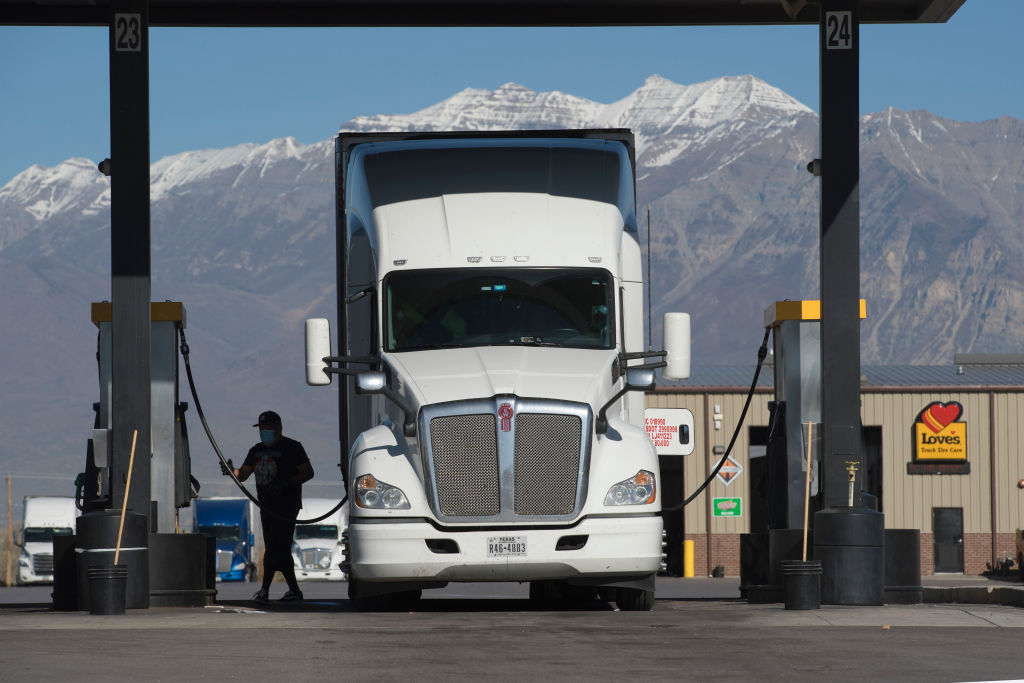
The 2026 Freight Plan will supersede the 2022 version, aligning with federal regulations and enhancing Montana’s eligibility for federal funds. The funds target construction and operational improvements on interstate highways. Montana’s freight movement relies heavily on trucks, trains, and pipelines, with trucks being the primary mode, transporting over 31,000 tons daily.
According to the Montana Trucking Association, trucks are vital, with 8,240 trucking companies operating in the state and in-state wages exceeding $1.4 billion in 2023. Duane Williams, CEO of the association, remarked, “Everything touches a truck at one point or another…” The association addresses safety through programs like ‘Share the Road,’ educating students on truck blind spots.
The state boasts nearly 75,000 miles of roads and approximately 3,000 miles of rail, mostly owned by Burlington Northern Santa Fe Railway. Air freight, though minor in volume, is facilitated by key intermodal facilities in Great Falls, Billings, Missoula, and Bozeman.
Safety remains a key focus, with recent legislation like Senate Bill 433 granting towing vehicles right of way in roundabouts. Williams highlighted, “You have a truck going through there, they need to take up both lanes…” This law aims to enhance safety in traffic circles.
A draft of the updated freight plan is anticipated by late summer or early fall next year. The plan will address safety, reliability, and environmental stewardship. Additional topics include outdated bridges, regulatory challenges, autonomous vehicles, and artificial intelligence.