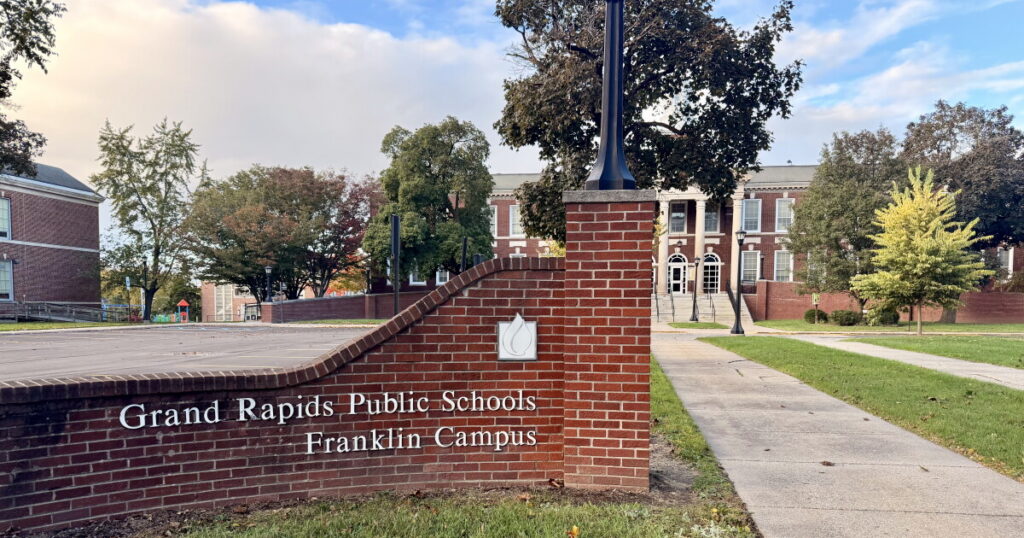
With the Grand Rapids Public Schools’ Board of Education election approaching in 2026, the field is bustling with activity. Fifteen candidates are competing for five four-year term seats, while incumbent Erika VanDyke is running unopposed for a partial term.
The district reports an enrollment of about 14,000 students, representing a diverse community with origins in over 80 countries and more than 70 languages spoken.
This non-partisan race takes place amid significant public debate over issues such as teacher salaries, the sale of school facilities, and a board perceived as divided.
As Election Day approaches on November 3, understanding the candidates’ positions on key district challenges is critical.
Don’t see the graphic? Reload your page or click here.
Since 2023, there has been concerted effort from parents and students advocating for greater community engagement. A report from 2023 commissioned by GRPS highlights some stakeholders’ feelings that the district’s approach to the community is “transactional.”
Don’t see the graphic? Reload your page or click here.
Teacher recruitment and retention have been ongoing challenges for Grand Rapids Public Schools. At the conclusion of the 2025 academic year, a teacher and a principal resigned during board meetings, highlighting issues of low pay, insufficient resources, and lack of support. The district reported that by September 2026, 95% of teaching positions were filled.
Don’t see the graphic? Reload your page or click here.
GRPS has been grappling with declining student enrollment, which has decreased by nearly 30% since 2010. This decline has led to the closure of at least seven schools, with three more expected to close by 2028. Parents have voiced concerns that their feedback is not being adequately considered by administrators.
In response to these challenges, Grand Rapids Public Schools provides students the option to attend their local school or apply to one of 17 theme schools. These schools offer specialized programs in areas such as art and environmental science, and do not require students to live in the vicinity of the theme school.
Don’t see the graphic? Reload your page or click here.