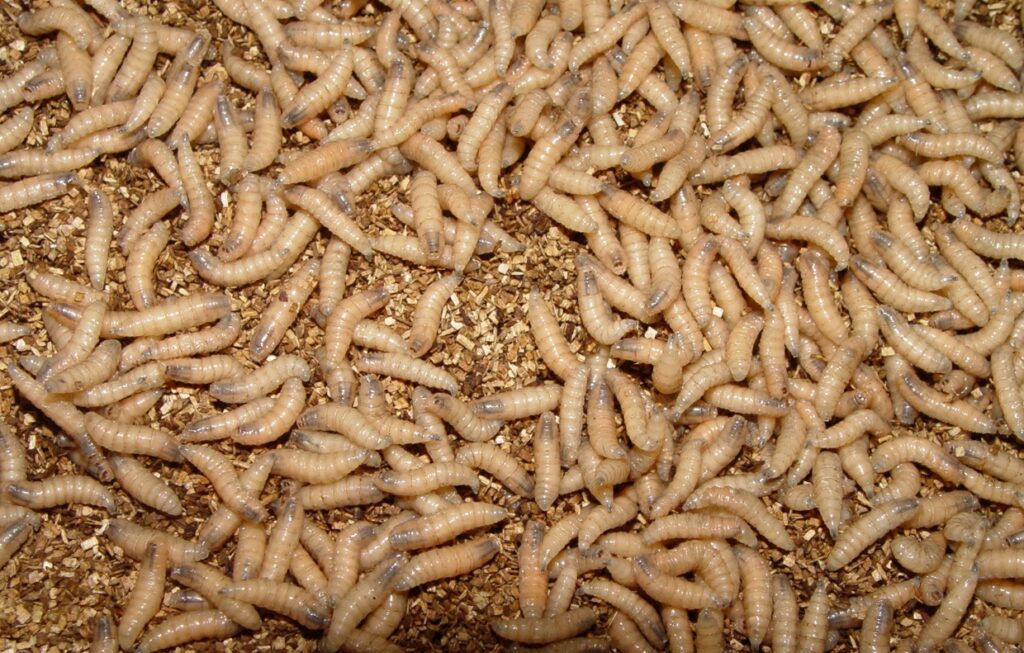
The New World screwworm has reached the United States, posing serious threats to livestock, pets, and humans. Ranchers in Southern states have long anticipated this invasive pest, which can devastate the agriculture sector. Despite decades without a case, the screwworm has crossed the U.S.-Mexico border, with confirmed instances in New Mexico and Texas affecting various animals. The parasite’s potential impact extends beyond agriculture, potentially affecting grocery prices nationwide.
Is it a fly or a worm?
Despite its name, the New World screwworm is an adult fly similar in size to a housefly, featuring orange eyes and a metallic blue or green body. The term “screwworm” pertains to its larvae, which burrow into animal wounds. These maggots can enter through small wounds or body openings, posing a significant threat to livestock, especially newborns with exposed umbilical cords.
What to look for
The screwworm can infest a variety of animals, including livestock, pets, and, rarely, humans. Infested animals may display foul-smelling wounds with visible maggots. Other symptoms include lesions and unusual animal behavior, such as restlessness. Humans may notice maggots in wounds or body openings, causing painful sores and a foul odor. Immediate medical intervention is necessary for treatment.
The USDA has approved emergency use of medications like ivermectin for animal treatment. For humans, healthcare providers must surgically remove each maggot.
Will this cost me?
The New World screwworm could lead to increased grocery prices, especially in the beef sector. Beef prices are already high due to herd liquidation and import restrictions from Mexico. The pest may also affect dairy supplies, as dairy farms might need to discard milk during outbreaks.
What’s being done to stop it?
The USDA has established protocols for monitoring and controlling the screwworm but will not halt animal product movements. The government plans to release sterile male flies to reduce the population, aiming to produce millions of sterile flies weekly at a new facility in Texas. Additional facilities are also planned in Mexico and Panama.
Political blame game
The screwworm’s arrival has sparked political debates. At a recent Senate hearing, concerns were raised about USDA staffing cuts and their impact on managing such threats. Some blame current and past administrations for the border policies that allowed the screwworm’s migration. Texas officials urge the federal government to deploy targeted baits to prevent fly reproduction, emphasizing the urgency of the situation.