Incentive Program Expands to Boost Attendance in Detroit Schools
In an effort to combat chronic absenteeism, the Detroit Public Schools Community District is extending its attendance incentive program to include middle school students this year. The initiative, which has been in place for high schoolers, offers financial rewards for consistent attendance.
Chronic absence has been a persistent issue, with 57% of students missing 18 or more days last year, a figure significantly higher than the state average. Superintendent Nikolai Vitti emphasized the importance of this program, citing a direct correlation between attendance and academic success.
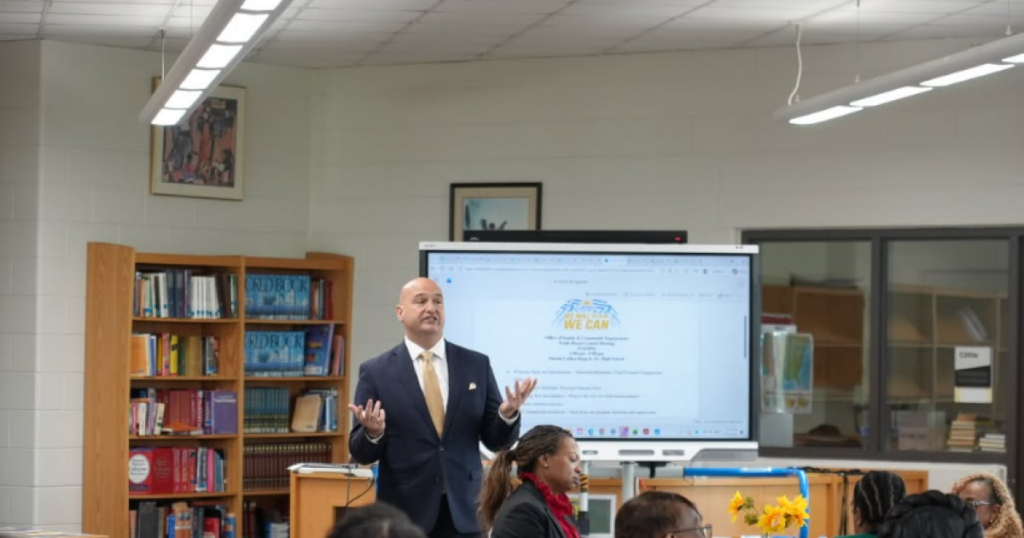
“This conversation is about making sure students are coming to school so that they can learn at higher levels,” Vitti stated.
The program is set to run over a ten-week period from January to March, when attendance typically declines. High school students can earn a $100 gift card each week for perfect attendance, while middle school students can receive $50 for the same achievement.
Initially, some educators, like Lakia Wilson-Lumpkins of the Detroit Federation of Teachers, had reservations about offering financial incentives. “I want students to come to school because they love it,” she expressed, adding that the positive outcomes have changed her perspective. “I think it is working.”
Data from the district indicated a 2% increase in attendance since the program’s inception, with a significant portion of participants being those previously identified as chronically absent. The initiative distributed approximately $7.7 million last year in incentives.
Aside from attendance incentives, the district is addressing socioeconomic barriers by hiring staff to oversee attendance, conducting home visits, and enhancing transportation and support services.
Despite its success, the program has faced criticism, particularly from outside the city. Vitti noted that much of the feedback stems from misunderstandings of the challenges faced by students in Detroit. “They apply it to their middle-class values and their middle-class understanding of what they did when they went to school,” he explained, adding that, “It might be controversial. People may disagree. But is it making a difference? Yes. Kids are coming to school more frequently and chronic absenteeism is dropping.”
Criticism also appeared in the form of an opinion piece by the New York Post, labeling the program as a “desperate, last-ditch attempt to fix a much deeper cultural crisis.” Vitti countered that the incentives are part of a broader strategy to tackle the effects of poverty on education.