In a week marked by discussions about data centers in Northeast Pennsylvania, a zoning hearing was postponed due to overcrowding, and Governor Josh Shapiro shared his perspective on the matter at an unrelated event.
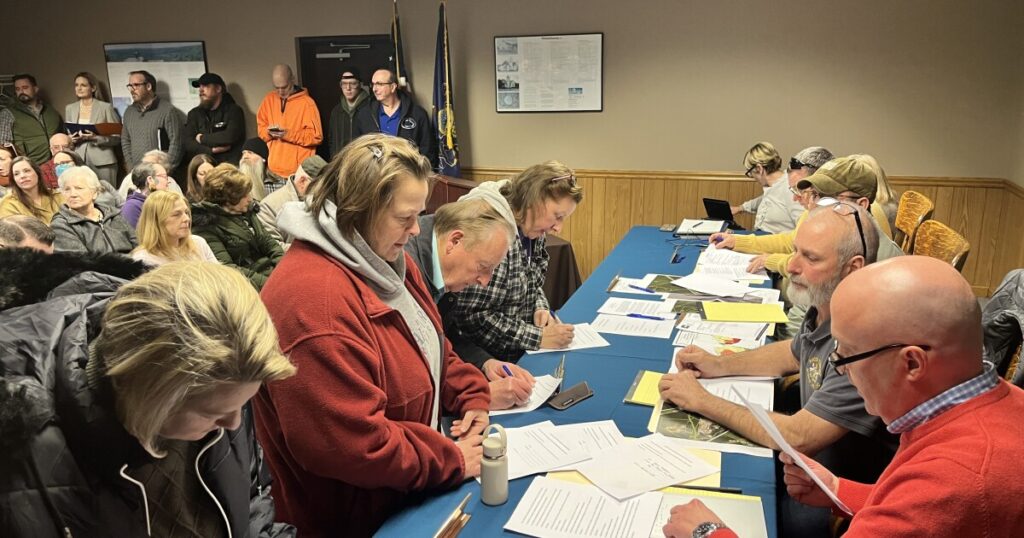
On Thursday evening, a gathering of residents from the Abingtons and Scranton filled the Ransom Township Municipal Building to discuss a proposed zoning change for a new data center. The hearing was rescheduled for Tuesday due to the large turnout and requests for more space.
Earlier, Governor Shapiro spoke in Wyoming County about the importance of local community involvement in planning developments like data centers.
Data Center Proposal by Scranton Materials
Scranton Materials LLC, known for operating a stone quarry in Lackawanna County, has proposed constructing a data center campus in Northeast Pennsylvania. This adds to several other data center proposals in the region, including sites in Archbald, Dickson City, Jessup, and a large campus planned for Clifton and Covington townships.
The company intends to build facilities for hosting servers dedicated to artificial intelligence and cloud computing on its property at 819 Newton Road. Represented by Attorney Mike Mey, Scranton Materials applied for a zoning overlay on November 25, which would allow for an additional land use beyond its current zoning.
Data centers, characterized by their warehouse-like structures, require continuous power and cooling to maintain rows of servers that handle data ranging from AI to cloud storage. The cooling process often involves significant water usage.
Residents of Abington and Scranton have joined forces to regulate the placement of data centers, citing concerns about potential noise, air pollution, and the environmental impact on nearby communities.
Hearing Objections
The proposed site in Ransom Township, adjacent to West Scranton, is currently zoned as an open space/conservation district. Township Solicitor Kevin Conaboy explained that the quarry operated by Scranton Materials preceded current zoning laws.
During a township planning commission meeting on December 15, the proposed Data Center Overlay District was presented, but no objections or suggestions were received, according to Mey.
Laura McGarry, a lawyer and Scranton resident, voiced procedural objections regarding the application, questioning its compliance with zoning ordinance requirements and the lack of detailed information provided to residents.
McGarry pointed out that many attendees, unable to hear proceedings from the hallway, were denied effective participation. Her request for a complete application copy was met with only a single page.
Next Steps
The hearing’s postponement led to a debate over the 60-day timeline for conducting it, as stipulated by the Pennsylvania Municipal Code. Mey emphasized the need for adherence to the timeline, while McGarry argued for transparency and public involvement.
Ken Cruser, a township resident, criticized the lack of communication about the zoning overlay, highlighting a delay in notification since the application’s filing in November.
Ultimately, township supervisors decided to reschedule the hearing to Tuesday at 6 p.m., to be held in a larger space within the township building.
Scranton’s Concerns
Ahead of the hearing, the Keyser Valley Neighborhood Association convened to discuss the data center proposal. Scranton Mayor Paige Cognetti expressed concerns over stormwater management, noting past flooding issues exacerbated by development.
Cognetti advocated for a cautious approach, emphasizing the need for comprehensive discussions about the potential impact of such projects.
“We need to have more conversations. We need people at the table that understand what these overlays would be, what the stormwater risk would be,” she remarked, stressing the importance of community benefits from development projects.
Governor Shapiro’s Input
During a visit to Tunkhannock, Governor Shapiro addressed the issue of data centers, underscoring the necessity of balancing economic growth with community and environmental considerations.
“It’s critically important that local voices be heard in this process, and whether it’s a data center or some other business, it needs to be cited in a place where it can spur on economic growth and economic opportunity for a community, while not negatively impacting neighbors or negatively impacting our environment or our air quality or water quality,” he stated.
Shapiro indicated that forthcoming state standards would guide local communities in evaluating projects to ensure alignment with both community and commonwealth interests.