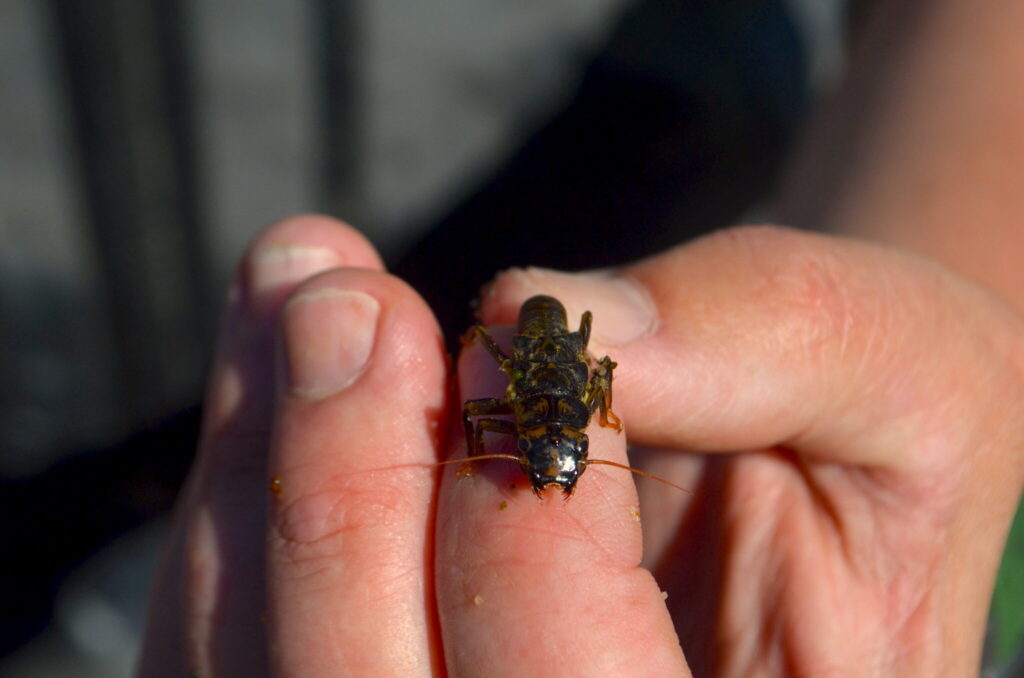
TWIN BRIDGES – Brian Wheeler, a river guide, spends much of his time in the Big Hole River, Montana, collecting macroinvertebrates to assess river health. These organisms indicate the ecological condition of the river, a crucial factor as fish populations decline in Montana’s iconic rivers. Wheeler emphasizes the need for ongoing conservation to maintain the river’s pristine state.
As the program director of Save Wild Trout, Wheeler has partnered with the Big Hole River Foundation and Upper Missouri Waterkeeper. These organizations aim to identify reasons behind the decrease in trout populations in southwestern Montana. They collect data that state agencies often overlook, ensuring it meets scientific standards for validity.
Wheeler explains their research protocols: “We researched like, ‘OK, what are their protocols? What lab do they use? What are the scientific metrics that we have thresholds for, like nitrogen, phosphorus, dissolved oxygen?’” This effort, led by Wheeler and scientist Kyle Flynn, involves collaboration with the Department of Environmental Quality (DEQ), recognizing the importance of accurate measurement in environmental management.
Their recent report highlighted concerns about warm temperatures and low oxygen levels in the Jefferson River Basin, which threaten aquatic life. In 2024, water temperatures reached 80 degrees, which can be lethal for fish. Low nighttime oxygen levels, often due to algae blooms, exacerbate the situation. Their study covered four rivers using thermal imaging for comprehensive data collection.
Wheeler’s fieldwork includes collecting bug samples with a Hess stream bottom sampler. He estimates about 200 samples since 2019, crucial for understanding the ecosystem’s health. These samples are preserved and analyzed by experts at River Continuum Concepts. The research has produced a detailed report on macroinvertebrates from 2019 to 2022, with plans for a 10-year report.
Data loggers recording river conditions are vital tools, despite challenges like vandalism. Wheeler camouflages these devices to prevent theft. The project faces logistical hurdles, including long drives and costly equipment, but Wheeler underscores the importance of this research for future conservation efforts.
Montana’s Governor’s Office has taken an interest, with plans for a study on fish mortality. The collaboration involves Montana Fish, Wildlife and Parks, and Montana State University researchers, expected to conclude by 2028. Fish tagging initiatives aim to provide insights into fish movement and growth. However, these efforts sometimes result in unintended fish fatalities during tagging.
Wheeler stresses the role of organizations like Save Wild Trout in bridging gaps in government resources for watershed management. While they receive some state grants, much of their funding comes from donations. Despite the challenges and personal toll, Wheeler remains dedicated to collecting valuable data, ensuring future conservationists have a historical record to guide their efforts.