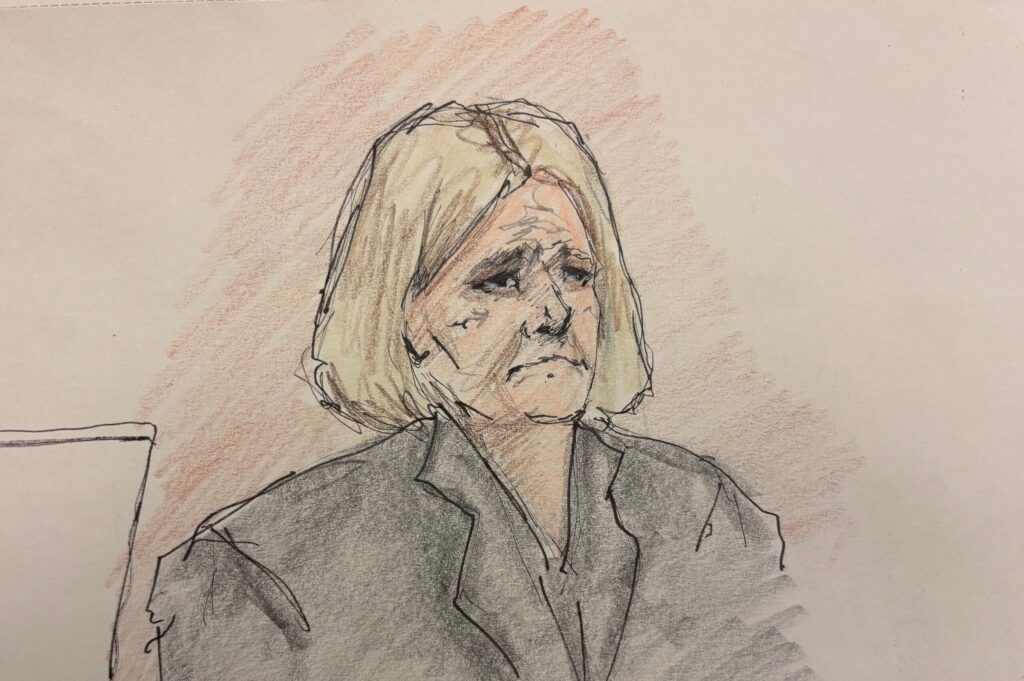
In a dramatic turn of events at the Milwaukee federal courthouse, Milwaukee County Judge Hannah Dugan was found guilty of one charge while being acquitted of another. This verdict marks a significant moment in the ongoing legal proceedings against her.
Judge Dugan was convicted of the felony charge of impeding a proceeding but was acquitted of a misdemeanor charge related to concealing an individual to prevent arrest. The decision came from the jury late in the evening, highlighting the complexities of the case.
The charges originated from an April 18 incident where Judge Dugan assisted a man in evading federal immigration authorities by leading him through a side exit of her courtroom. The man was wanted for being in the country illegally.
Dugan’s Attorney: A Long Legal Battle Ahead
The sentencing responsibility now lies with U.S. District Court Judge Lynn Adelman, although a sentencing date is yet to be determined. Dugan’s defense attorney, Steve Biskupic, expressed his disappointment with the verdict.
“The case is a long way from over,” Biskupic commented, questioning the jury’s reasoning behind the split decision. He pointed out the overlap in the elements of the charges, which made the verdict puzzling.
Brad Schimel, U.S. Attorney for the Eastern District of Milwaukee, lauded the federal prosecutors, emphasizing the importance of courthouses as safe environments for executing arrest warrants. He criticized Judge Dugan’s actions for leading to a hazardous pursuit outside the courthouse.
During the jury’s deliberations on Thursday, Judge Adelman cautioned jurors not to consider potential sentencing in their verdict. The jury sought clarifications on the charges’ definitions and evidence before reaching their decision.
The felony charge against Dugan carries a maximum five-year prison sentence, while the misdemeanor charge could have led to a year’s imprisonment. However, University of Wisconsin-Madison Law Professor John Gross suggested that incarceration is unlikely given Dugan’s clean record and the case’s specific circumstances.
Gross highlighted the rarity of such criminal charges against judges, emphasizing the unusual nature of the case.
Federal Prosecutor’s Perspective
Schimel clarified that the case should not be seen as part of any broader political agenda but rather as an isolated incident.
“While this case is serious for all involved, it is ultimately about a single day, a single bad day in a public courthouse,” Schimel remarked.
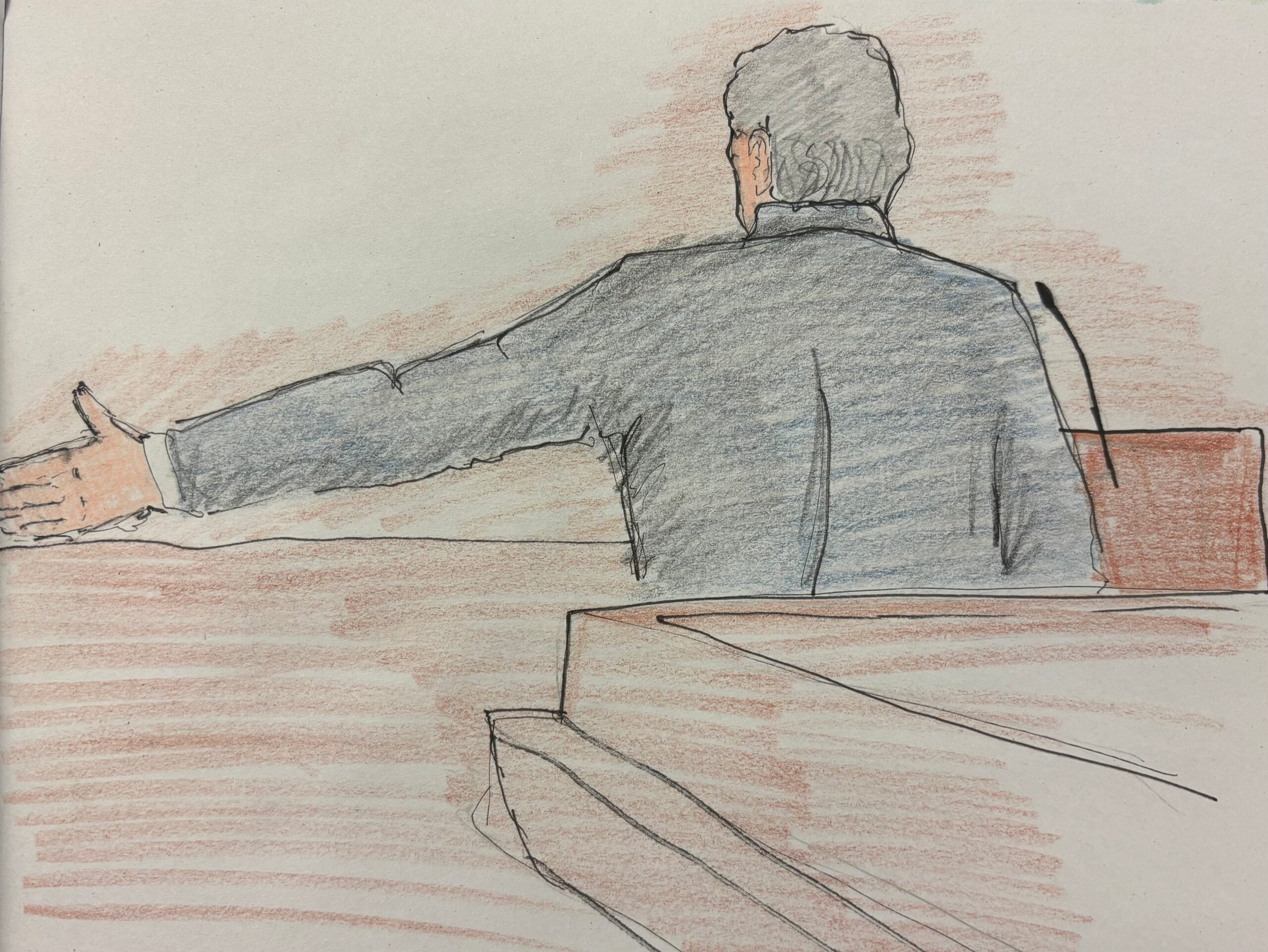
Defense attorney Jason Luczak argued that Dugan was a victim of government overreach, while prosecutors accused her of compromising the justice system’s integrity by misusing her authority.
Before the trial, a letter signed by over 100 judges condemned Dugan’s arrest, citing judicial intimidation. U.S. Attorney General Pam Bondi commented on the case’s high profile, asserting that judges are not exempt from legal consequences.
Judge Dugan, serving since 2016, faced suspension by the Wisconsin Supreme Court pending the trial’s outcome. Throughout the trial, she did not testify, with jurors advised not to interpret this as indicative of guilt.