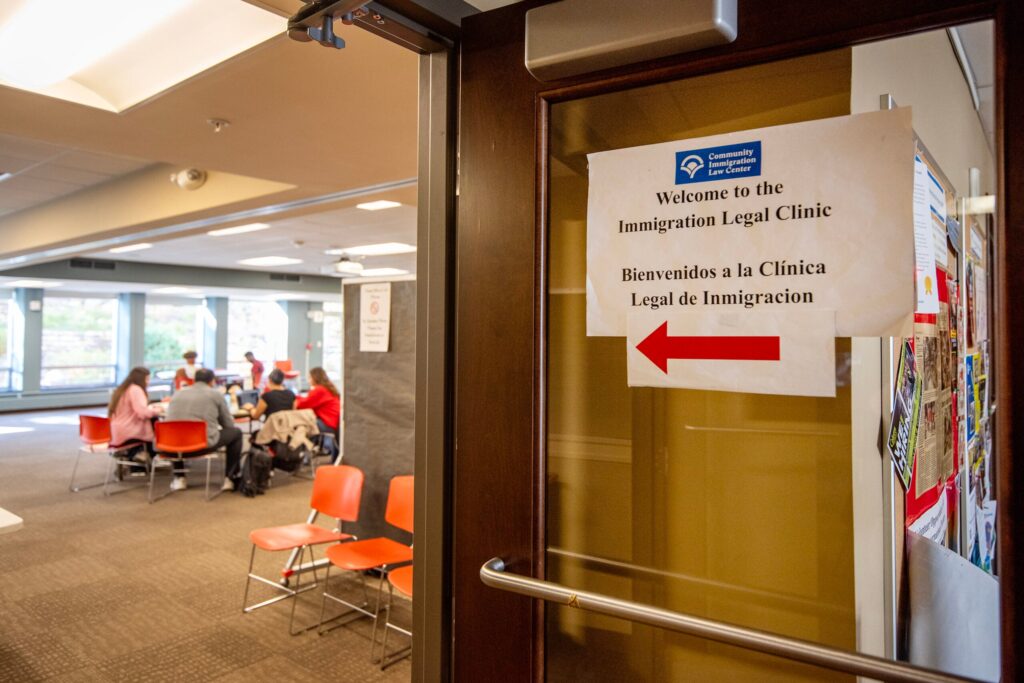
In an evolving immigration landscape, the complexities of applying for a green card have intensified, as illustrated by the experiences of a couple in their 60s who are refugees. Madison-based immigration attorney Natalia Lucak has been assisting them, and she notes that what once was a straightforward process has become more arduous.
Previously, the couple would have been able to handle most of their application via documentation. However, they recently needed to travel to Milwaukee for a mandatory in-person interview. This requirement posed significant challenges due to their health and medication schedules, according to Lucak. The situation reflects broader changes in the immigration system under President Trump’s administration.
Immigration attorneys in Wisconsin are experiencing increased pressure as policy shifts necessitate more resources for each case. “These cases that we’re taking forward now take many more resources than they did before,” stated Aissa Olivarez, legal director at the Community Immigration Law Center, where Lucak is employed. This organization offers free legal services to individuals facing deportation.
The demand for their services has surged amid an increase in asylum seekers. Currently, the center’s lawyers are managing over 100 cases, including those from the Dodge Detention Facility in Wisconsin. The Trump administration’s evolving policies have added to their workload, with near-constant changes leading to heightened fear and anxiety among clients.
Trump’s Second Term Brings a Wave of Immigration Policy Changes
President Trump commenced his second term with a series of immigration executive orders. These changes have expanded the criteria for federal detention, facilitated deportations to third-party countries, and increased arrests outside immigration courts. Consequently, immigration detentions have reached unprecedented levels nationwide.
Recently, the administration declared a pause on asylum decisions and pending applications for immigrants from 19 countries. While Simon Hankinson of the Heritage Foundation acknowledges the rapid policy shifts, he views them as necessary corrections in response to previous administrations’ policies.
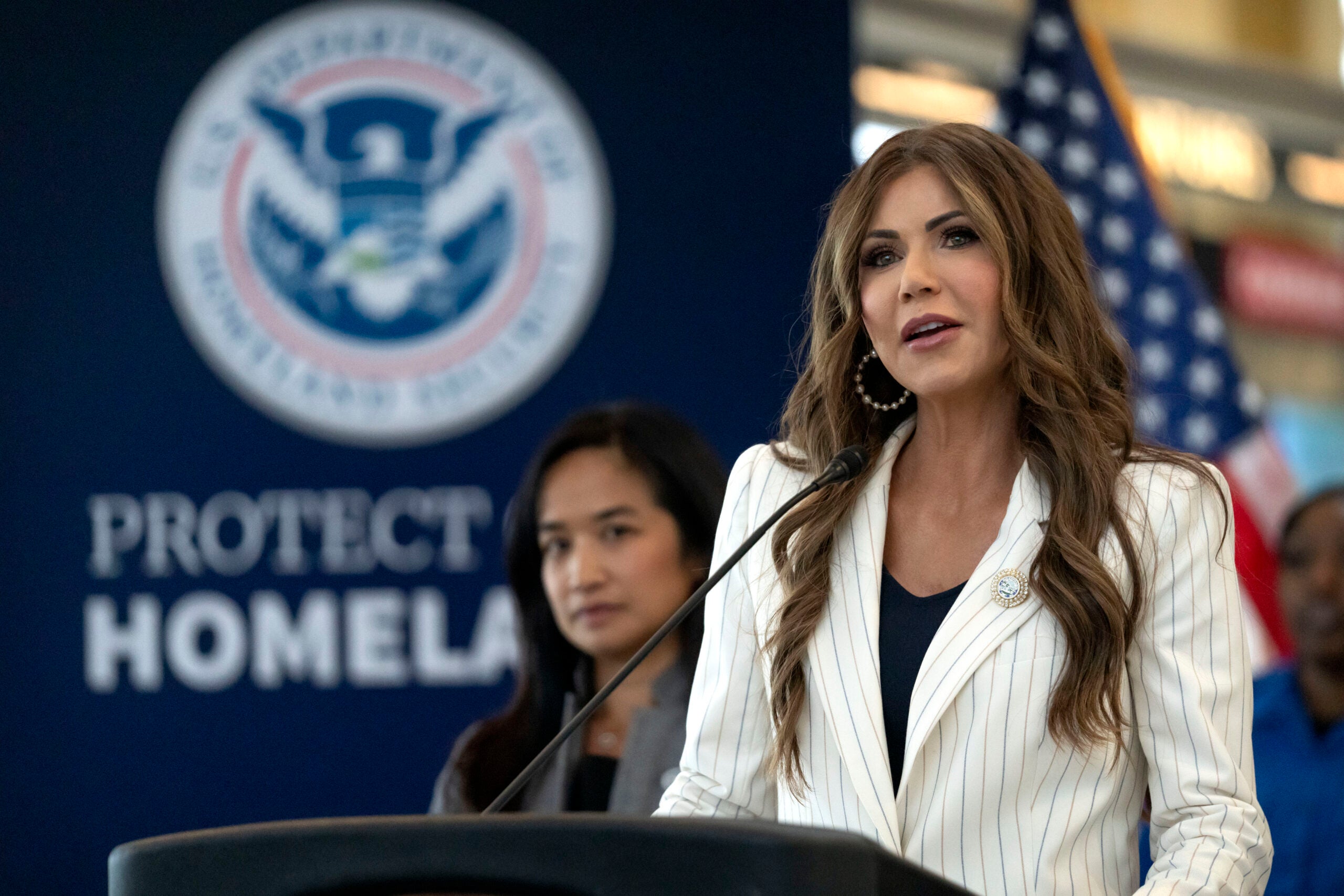
However, some policies have faced legal challenges. Despite this, the Department of Homeland Security credits these changes with a significant rise in deportations over the past year. “This is just the beginning,” stated DHS Assistant Secretary Tricia McLaughlin, emphasizing the administration’s proactive approach to immigration enforcement.
Increased Complexity for Immigration Attorneys
The recent policy shifts have added layers of complexity to an already intricate field, says Liz Kenney from the Vera Institute of Justice. “It is substantially more complex now. And the consequences are very severe,” she explains, highlighting the administration’s aim for rapid deportations.
Legal representation remains a challenge, with many facing deportation without it. This situation is exacerbated by the lack of an immigration court in Wisconsin, pushing most cases to Chicago. The presence of federal agents in cities has further fueled fears among immigration clients.
Fear Spreads Even Among Those with Legal Status
In La Crosse, attorney Chuck Berendes, who handles family-based immigration cases, reports a surge in naturalization applications. He attributes this to a growing sense of insecurity among those with legal status in the U.S.
Recent findings by Pro Publica have highlighted over 170 instances of U.S. citizens being detained by immigration authorities, underscoring the climate of fear. Berendes also notes increased bureaucratic delays, which add to the stress for immigrants navigating the system.

The evolving immigration policies under Trump’s administration continue to reshape the landscape, increasing demand for legal guidance while amplifying the fears faced by immigrants across the country.
Wisconsin Public Radio, © Copyright 2025, Board of Regents of the University of Wisconsin System and Wisconsin Educational Communications Board.