Outdated Culverts Pose Risks Amid Growing Storm Intensity
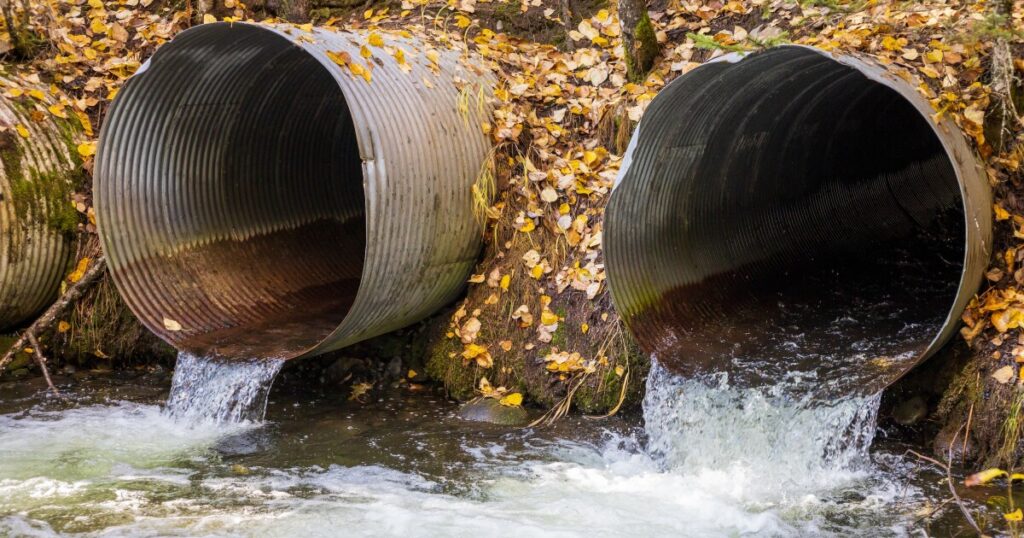
As storms grow more severe and frequent, millions of culverts across the United States are proving insufficient for the rising challenge. These culverts, which are essential for channeling water beneath roadways, can become problematic when undersized, leading to issues like clogging, overflow, or even washouts that can isolate communities.
“If a culvert fails, people can become isolated from emergency services, their jobs and schools and more,” stated Bridget Mitchell, a researcher with Headwaters Economics. According to their latest analysis, there are over 3.5 million culverts nationwide that are outdated and likely too small to handle today’s flood risks.
Among the states in the Mountain West, Arizona takes the lead with 224,800 outdated culverts. It is followed closely by Montana with 193,557, New Mexico at 192,781, Nevada with 181,868, Wyoming having 160,136, and Idaho with 142,085. Colorado stands out in the region as the only state to have revised its culvert guidelines.
Without unified state standards in place, local road agencies often rely on older regulations, potentially leaving infrastructure vulnerable to the increased intensity of contemporary storms, according to Mitchell.
A promising solution is the stream-simulation design, which mirrors the natural stream flow rather than confining water to narrow pipes. This design facilitates the movement of water, sediment, and fish, reducing the risk of blockages and enhancing resilience during severe weather events.
Mitchell emphasized the importance of updating design standards and securing funding for replacing aging infrastructures, underscoring their necessity for communities in the Mountain West to effectively manage future flooding challenges.
This article was produced by the Mountain West News Bureau, in collaboration with KUNR, Wyoming Public Media, Nevada Public Radio, Boise State Public Radio in Idaho, KUNC in Northern Colorado, KANW in New Mexico, Colorado Public Radio, KJZZ in Arizona, and NPR, with additional support from affiliate newsrooms across the region. The Mountain West News Bureau receives funding from the Corporation for Public Broadcasting and Eric and Wendy Schmidt.