In a groundbreaking initiative to reduce landslide risks, the Grovemont area of Swannanoa is set to undergo a significant transformation. The Buncombe County Board of Commissioners has unanimously approved a $794,000 contract for design and engineering services with ECS Southeast, a company based in Raleigh.
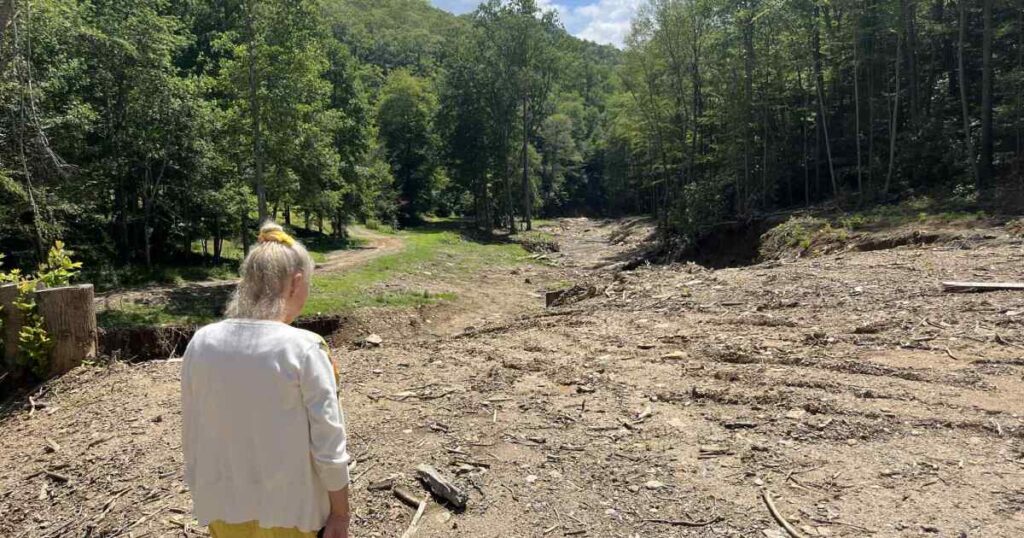
The Grovemont neighborhood was severely affected by landslides triggered by Hurricane Helene, resulting in nine slides that cumulatively stretched nearly 2.4 miles in length and surpassed two football fields in average width. Due to a lack of established procedures by federal and state agencies for managing such large-scale landslides, local staff have taken the initiative to develop a funding and implementation strategy.
According to Kevin Madsen, Buncombe’s Helene Recovery Officer, FEMA will cover the entire cost of the ECS contract. The work will involve aerial imaging, soil testing, and providing engineering recommendations to prevent future slides.
The project is slated to begin in January and wrap up by October. While specific costs and timelines for implementing mitigation measures remain unspecified, a previous FEMA estimate suggested a stabilization expense of around $17 million. The engineering study itself is below the original budget estimate of $1.3 million.
Board Chair Amanda Edwards expressed optimism about the project despite uncertainties regarding funding for mitigation. “The residents of Grovemont that I know that live there, that are impacted, are very excited to see this happening, and to know that the county and FEMA are taking a real interest in the long-term impacts to their neighborhood,” she remarked.
If successful, Buncombe officials plan to replicate the Grovemont model for 24 other landslides caused by Helene throughout the county. This landslide mitigation effort is a key component of the Helene Recovery Plan, which highlights funding and cost-effectiveness as primary concerns.
Additional Updates
- Martin Moore, Commission Vice Chair, shared updates on behalf of the Early Childhood and Development Committee. The committee, which manages a $4 million annual fund, will shift to a more focused funding strategy in fiscal year 2027-28. Current efforts include support for Community Action Opportunities, the Irene Wortham Center, and the YWCA of Asheville.
- County Budget Director John Hudson proposed a new funding model for local schools, suggesting that 37.76% of property and sales tax revenues be allocated to Asheville City Schools and Buncombe County Schools, with adjustments for enrollment and emergencies.
- The Commercial Hauler Rebate Program will be terminated at the end of the month, saving the county approximately $500,000 annually.
- Members were appointed to the newly formed Pedestrian Plan Steering Committee, which will develop a network of sidewalks, crosswalks, and walking paths in unincorporated Buncombe County.
- The county has revised its policy on ceremonial proclamations, providing clearer guidelines on acceptable proclamations following concerns raised about the process.
The Buncombe County Board of Commissioners convenes every first and third Tuesday at 200 College St., Room 326, downtown Asheville, starting at 5 p.m. The next meeting is scheduled for Tuesday, Jan. 6. View the full recording and agenda of the Dec. 2 meeting.
Stay Informed
Subscribe to The Asheville Explainer, BPR’s weekly newsletter for updates on Asheville and Buncombe County.