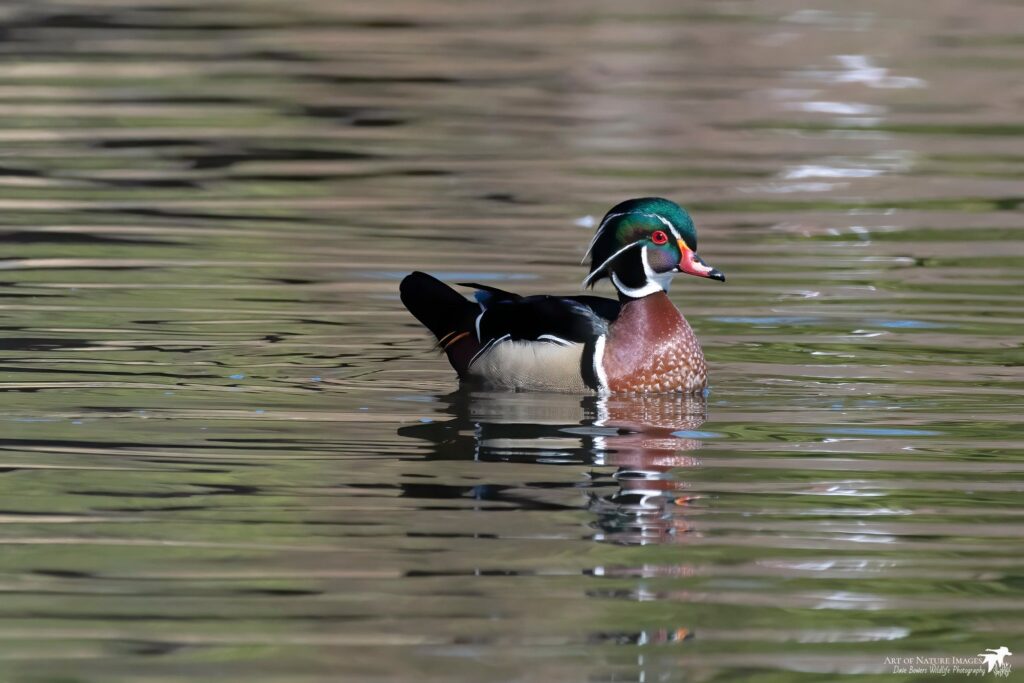
As autumn ushers in colder weather, the skies over Wisconsin become a corridor for migrating ducks and waterfowl. This seasonal spectacle is eagerly anticipated by hunters who rise early to prepare their decoys and witness the grand migration.
Among those deeply engaged in this seasonal activity is Taylor Finger, a game bird ecologist with the Wisconsin Department of Natural Resources. Finger’s passion for waterfowl hunting is deeply rooted in his past. “I was helping carry my dad’s decoys before I could actually shoot, so I ended up getting a pretty solid job,” Finger remarked.
During Wisconsin’s waterfowl hunting season, Larry Meiller of Wisconsin Public Radio conducted an interview with Finger to delve into the aspects of waterfowl conservation.
The conversation touched on various aspects of conservation, including insights from Brad Heidel of the Wisconsin Waterfowl Association about the organization’s efforts and objectives. The following segments highlight key points from the discussion, edited for brevity and clarity.
Monitoring Waterfowl Populations
Larry Meiller: Why is it crucial to survey and monitor waterfowl populations?
Taylor Finger: “It’s critical when it comes to any game species, because you are targeting and hunting these birds, so you’re removing them. It is our responsibility as well to ensure that we’re monitoring and that what we’re doing in terms of harvest is actually management, so we’re not negatively affecting the resource.”
Trends in Waterfowl Populations
LM: What did this year’s breeding bird population survey reveal?
TF: “For spring of 2025, we were up about seven percent from 2024 with about 565,000 birds. Generally, it was pretty good. Our mallard counts were up a little bit. Our wood ducks were essentially exactly the same as what we had been seeing. Our Canada geese were down a little bit, and our teal were down about 15 percent. Our other ducks made up a huge chunk of it, because we’ve been flying that survey earlier and earlier, because we haven’t had much of a winter lately.”
Challenges to Waterfowl
LM: What are the main threats faced by waterfowl populations?
TF: “Habitat is the primary one in terms of land conversion. You can’t blame our farmers out there. They’re just trying to make a living too. But a lot of land is being tiled. A lot of what was historical grassland habitat is now being turned into agriculture. There’s a lot of stuff happening with regard to the impacts of climate and the amount of wetlands that are going to be available if those birds don’t ultimately have to go all the way as far south as they historically used to. So that’s going to be a factor in the upcoming years, for sure.”
Impact of Bird Flu
LM: How has bird flu influenced waterfowl?
TF: “What we know is that waterfowl, primarily, are regular carriers of influenza, and they are probably the culprit in terms of transporting it across the landscape. However, the nice thing is they are very resilient to avian influenza.”