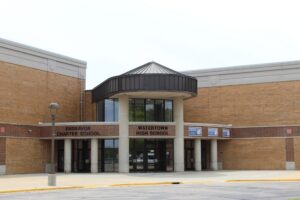
In the upcoming November 4 election, voters in more than twelve school districts, from Dearborn Heights to Mancelona, will find sinking fund proposals on their ballots. These sinking funds, like bonds and operating millages, are financed through local property taxes, commonly referred to as “millages.”
Unlike school operating millages, which typically affect secondary homes and commercial properties, sinking funds require most homeowners to contribute. However, the use of these funds is restricted to “capital projects” and cannot be allocated for general expenses such as teacher salaries or utility bills.
Capital projects supported by sinking funds encompass a variety of initiatives, including the construction of new school buildings, the renovation and maintenance of existing structures, or the purchase of new security equipment, classroom technology, and school buses.
Unlike bonds, which provide a lump sum, sinking funds deliver smaller, consistent funding over time. This method can fall short in funding large-scale renovations but is effective for incremental improvements and maintenance without burdening the operating budget or necessitating loans.
Voter involvement is crucial as they decide whether the proposed projects justify the tax. This process allows school authorities and community members to collaborate on establishing district priorities, according to David Arsen, a professor emeritus in education policy at Michigan State University. “These proposals actually get a lot of vetting,” Arsen noted. “These don’t get on the ballot without a lot of discussion in local communities.”
Although sinking funds cannot directly cover salaries or electricity costs, some districts may divert operating budget money to cover expenses eligible for sinking fund use.
Questions and answers to help you decide on school sinking fund requests:
Click on a question to go directly to the answer.
Where can I learn about what a sinking fund will be used for?
How can I make sure a district uses funds appropriately?
Can sinking funds be paid with existing taxes?
Where can I learn about what a sinking fund will be used for?
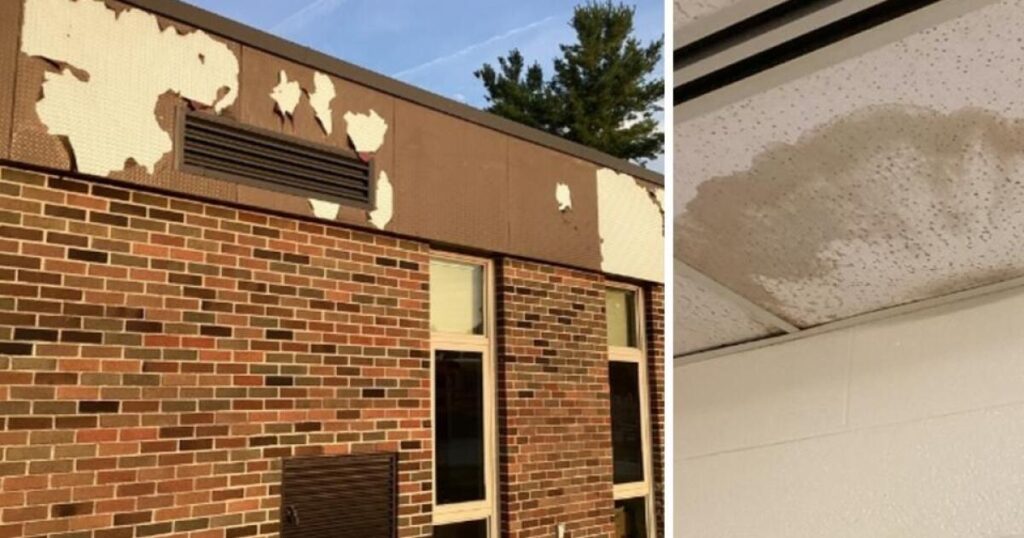
School districts often provide informational web pages detailing these proposals, including project specifics, timelines, and budgets. Visuals of areas needing upgrades or repairs are also common.
“You don’t have to take hours,” said David Arsen, MSU professor emeritus. “Ten minutes of searching on the website, you get a pretty good idea of what’s being planned.” Community engagement is encouraged through school board meetings, town halls, social media, and videos.
Local news outlets also provide insights, Arsen added.
How can I make sure a district uses funds appropriately?
Districts must conduct annual audits to confirm funds are used as intended and in compliance with state law. These audits are available on the district’s website.
The state’s treasury department reviews these audits. If misuse is discovered, districts must repay the sinking fund from their operating budget as per state law.
Can sinking funds be paid with existing taxes?
The answer varies. Operating millages cannot be used for sinking funds.
However, districts often utilize bonds and sinking funds for facility needs. They may propose to renew or extend an existing millage for an expired bond or lapsed sinking fund.
For example, Dearborn Heights School District No. 7 is seeking voter approval to extend a millage for a decade at approximately 4.7 mills to fund a sinking fund generating $1.38 million annually for repairs and upgrades.
In some instances, districts may request a new millage or an increase to a current one.