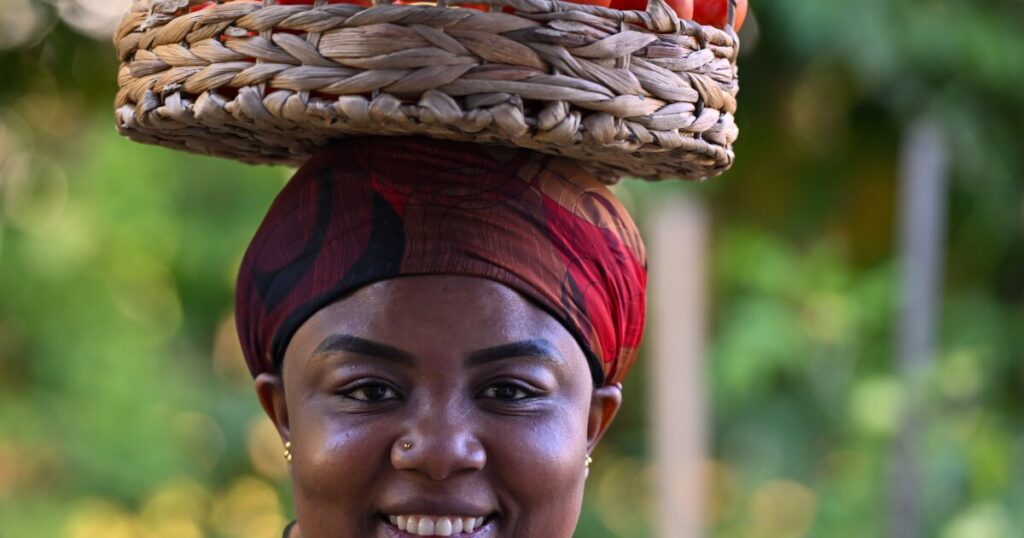
In the heart of South Scranton, a garden blooms, offering not just sustenance but a sense of community for Congolese refugee families. This vibrant green space, nestled off Cedar Avenue, has become a beacon of hope and togetherness for those who have traveled far from home.
“It’s just that sense of togetherness, sense of community. Having access to fresh food here is a problem. So this is just a way to try to address that problem,” said Ushu Mukelo, the founder and president of the Congolese Community of Scranton.
The garden, managed by Ushu’s father, John Mukelo, thrives even in mid-Fall with crops like corn, tomatoes, squash, and green beans. Community members volunteer to maintain this vital resource, which was generously offered by local businessman Frank Dubas, who also supports with grants and water supply.
Four years ago, Mukelo and Dubas connected over the need for a garden space for refugees, and the collaboration has since flourished. “We’re really happy about the harvest, but the families have increased,” Mukelo noted, highlighting the growing need for resources as the refugee community, now numbering between 450 and 500, expands.
Many of these families fled the Democratic Republic of Congo due to conflict and poverty, finding new beginnings in Scranton. The United Nations ranks the displacement crisis in the Congo as one of the world’s largest, following only Sudan.
Supplementing Groceries
Amidst the garden’s lush greenery, a simple chair offers respite while squirrels and beetles share the bounty. Neighbors often admire the garden’s beauty, a stark contrast to its industrial surroundings.
Nutrition remains a top priority for the Congolese community, who express concerns about processed foods in the U.S. and their links to health issues like diabetes and cancer. The garden supports families financially by reducing grocery expenses, filling gaps that food assistance programs like SNAP cannot cover.
“You can imagine, a family of seven, even food stamps, SNAP benefits are not enough to run them through the whole month,” Mukelo explained. “So there’s a lot of stress when it comes to financial stability for many of our families, and this is just that one piece that actually helps address that.”
A Place to Cultivate Fresh Food
Mwenebatu Mukelo, an elder in the community, tends to the garden in the evenings. Families are welcome to harvest as needed, with amaranthus being in particularly high demand due to its quick growth cycle.
The garden offers more than nutrition and financial relief; it provides physical activity and a connection to the earth. “I think one way to connect back is having a place where we can cultivate, have fresh food, and, you know, do some work in the outside, get fresh air,” Ushu Mukelo shared.
All garden work is volunteer-based, with planting beginning at the end of April. As the need continues to grow, the community hopes to expand the garden initiative across the city, giving back to local organizations and those in need. “The elders want us to produce more food so we can actually give some to places like St. Francis of Assisi, maybe the homeless people,” Mukelo said. “Because the point is, sharing is caring.”