As the race for data centers intensifies across several states, energy experts convened in Raleigh this week for the Making Energy Work Conference, an event organized by the North Carolina Sustainable Energy Association.
Neil Chatterjee, a former chairman of the Federal Energy Regulatory Commission, noted a significant trend: “The biggest thing right now, everybody — Virginia, Kentucky, North Carolina — everyone’s chasing data centers. And particularly data centers to support AI.”
While data centers are seen as a boon for local tax revenues, they have also sparked concerns about rising electricity costs. Duke Energy’s projections indicate an unprecedented spike in energy demand, largely attributed to these centers. However, uncertainties abound as developers frequently bid on identical projects in multiple states, and local resistance has stalled certain initiatives.
David Neal, a senior attorney with the Southern Environmental Law Center (SELC), provided context by stating, “Load growth’s not a new phenomenon. You can look back from 1950 to the early 2000s, and that was the norm.” Yet, he added a note of caution: “It’s also important to remember that we’re pretty bad at predicting the future.” SELC’s analysis of Duke Energy’s past resource plans revealed consistent overestimations of energy demand from 2008 to 2016.
Progress and Challenges for Wind Energy in the Atlantic
Despite setbacks under President Trump’s administration, there remains optimism for wind energy development along the Atlantic, although progress in North Carolina has been limited.
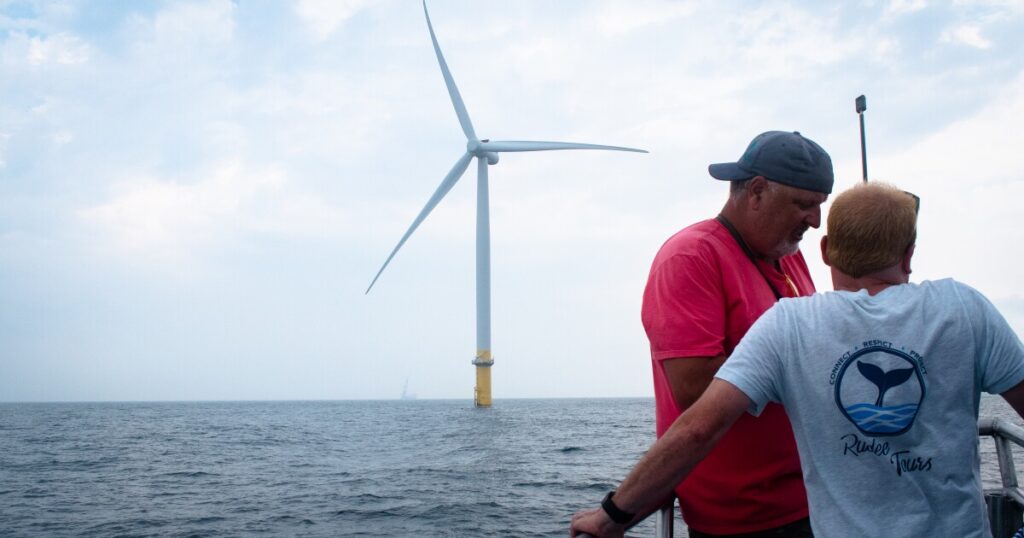
Federal restrictions have delayed wind turbine initiatives along the East Coast, affecting projects near Wilmington. Nonetheless, Karly Brownfield from the Carolinas Southeastern Wind Coalition remarked that offshore wind prospects are not entirely diminished. “Coastal Virginia Offshore Wind has … as of last week … installed every single one of their 176 monopile foundations for that project,” she confirmed.
The Dominion Energy wind project off Virginia Beach is anticipated to commence operations early next year.
While federal opposition to wind energy persists, Tom Shumaker, North Carolina Conservatives for Clean Energy state director, highlighted potential benefits. He stated, “Those foundations create artificial reefs. This is tremendous marine wildlife habitat. This is new opportunities for commercial fishermen, recreational fishermen, local tourism, just sitting there ready to go.”
SUPPORT LOCAL NEWS
WFAE remains committed to our mission: to serve our community with fact-based, nonpartisan journalism. But our ability to do that depends on the strength of the financial response from the communities we serve. Please support our journalism by contributing today.