When government systems fail, ordinary people can end up caught in the crossfire — even when they never intended to do anything wrong. That’s exactly what happened in Maricopa County, Arizona, where a decades-old administrative error at the state’s Motor Vehicle Division quietly rippled forward through time, eventually landing eight noncitizens on voter rolls without their knowledge.
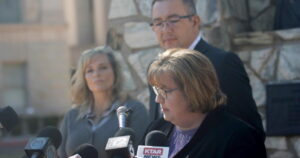
Maricopa County Attorney Rachel Mitchell announced Wednesday that her office will not pursue criminal charges against the eight noncitizens who voted in past Arizona elections — a decision rooted not in dismissing election integrity concerns, but in the basic facts of how the situation unfolded.
How a Licensing Glitch Led to the Voter Roll Problem
The issue traces back to Arizona’s driver’s license requirements before 1996. At that time, the state did not require applicants to show proof of citizenship to obtain a license. After that threshold year, the rules changed — but the records didn’t always catch up. In 2024, state officials discovered that some people who had received licenses before 1996 were incorrectly listed in state databases as citizens.
That database error had real consequences: some of those individuals ended up registered to vote. Election officials have been working in recent years to identify and clean up the affected records to ensure that only verified citizens remain on Arizona’s voter rolls.
Elections officials in Maricopa County took the investigation seriously. County Recorder Justin Heap used the federal SAVE database — a federal immigration verification system — to cross-check roughly 60 people flagged as potentially not being citizens. Of those 60, Mitchell confirmed that eight were noncitizens who had been registered to vote as a direct result of the MVD glitch.
Why No Charges Were Filed
Mitchell, a Republican, was clear that the decision not to prosecute was based on the evidence — and on the realistic likelihood of a conviction. In the overwhelming majority of cases, there was no sign the individuals had deliberately tried to register to vote. They were simply sent ballots because the state’s own records incorrectly identified them as citizens.
“It’s my feeling that a jury would not convict these eight individuals because of the involvement of a government involved glitch if you will,”
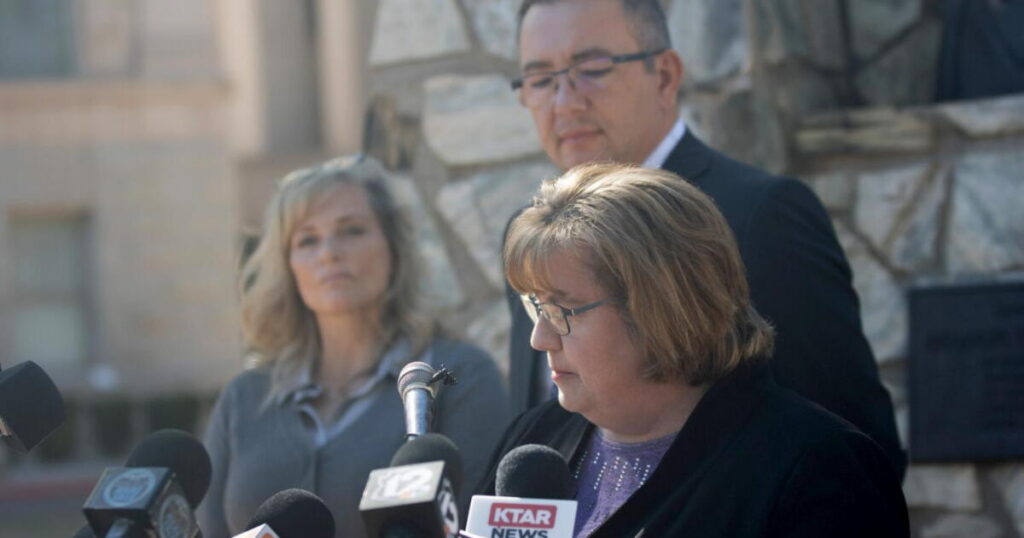
Mitchell said at a press conference.
Only one of the eight had filled out a voter registration form themselves — and notably, that individual had indicated on the form that they were not a citizen. That detail underscores just how passive the enrollment process was for most of the eight people involved.
Mitchell also said her office looked carefully at each person’s circumstances individually, while keeping a broader question in mind.
“I did look at those eight individuals individually. Initially my focus was looking at — was there a systemic problem?”
Mitchell said.
Her conclusion: the problem was administrative, not criminal, and not part of any coordinated effort to manipulate election outcomes.
What This Means for Election Trust
The scale of the issue matters for understanding it in context. Out of tens of thousands of registered voters in Maricopa County, eight individuals — none of whom appear to have acted with fraudulent intent — were caught up in a government error. The fact that officials identified, investigated, and resolved the issue reflects how election oversight is supposed to work.
Mitchell also addressed the current election cycle directly, saying her office is not investigating any issues related to this year’s midterm elections and that no major complaints have been filed. Meanwhile, the Maricopa County Board of Supervisors has certified the 2026 general election results, and the county recently unanimously named a new elections center after former Recorder Helen Purcell, set to open in central Phoenix next fall.
On the broader political landscape in Arizona, Republicans are navigating a very different session in the Arizona Senate, and Latino voters shifted dramatically toward Democrats in the 2026 elections. Separately, the Arizona appeals court is weighing whether the state’s “fake electors” prosecution was politically motivated — another reminder of just how much election-related legal and administrative activity continues to shape the state’s democratic landscape.
For voters trying to make sense of election security debates, this case offers an important lesson: when officials do their jobs — auditing records, using verification tools, and investigating complaints carefully — the system can catch genuine errors and respond proportionately. The eight individuals at the center of this story were not threats to democracy. They were people caught in a paperwork failure that the government itself created, and the county’s response reflected that reality.