University of Michigan’s New Data Center Faces Archeological Concerns
The University of Michigan (U-M) is in the process of assessing the potential impact on indigenous artifacts and human remains at the site of its planned hyperscale data center in Ypsilanti Township. This step comes after the State Historic Preservation Office (SHPO) highlighted the area’s archaeological sensitivity due to its proximity to the Huron River.
The proposed site for the data center has not yet been specifically evaluated by the Preservation Office, although it is located within a region flagged as sensitive. Scott Slagor, cultural resource protection manager at SHPO, pointed out in a communication with the university that the undeveloped nature of the parcel heightens the chances of archaeological finds, including possible burials. “You absolutely do not want to hit remains during construction,” he emphasized.
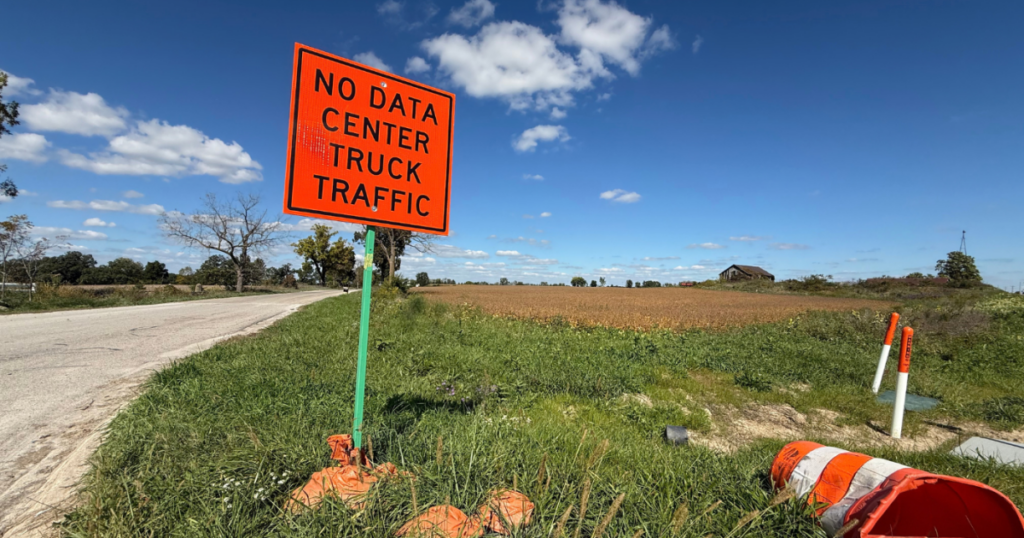
The university settled on the 144-acre Ypsilanti Township location in August, despite some resident opposition. Partnering with the Los Alamos National Laboratory, U-M envisions the data center as a hub for advancing scientific research and education. For more details on the project, visit the university’s announcement.
Slagor’s guidance, which included the recommendation to engage with a Federally Registered Archeologist, was part of an email exchange with Rob Green, U-M’s project director. This correspondence was made available to Michigan Public by Doug Winters, an attorney representing Ypsilanti Township, and its authenticity was verified by SHPO.
Green initially reached out to Slagor for insights into the archaeological context of the property, referencing community feedback about potential Native American burial grounds. However, Green acknowledged the lack of direct evidence supporting these claims.
The Historic Preservation Office plays a crucial role in the preservation of Michigan’s archaeological sites and limits the sharing of its data to federally qualified archaeologists. In his advice, Slagor also encouraged U-M to consult with Tribal Historic Preservation Offices in the vicinity.
A university spokesperson declined media interviews but directed inquiries to an official statement released on October 30. The statement expressed gratitude for the SHPO’s cooperation and outlined U-M’s steps in engaging a qualified archeologist and contacting appropriate Tribal Nations to ensure a respectful approach.
Despite the absence of direct archaeological findings from non-archeological surveys at the site, the university has not yet initiated construction. Winters, the Ypsilanti Township attorney, expressed skepticism regarding U-M’s commitment to a thorough assessment process. He remarked on the long-standing knowledge of the site’s historical significance, saying, “This is not news to U of M, but they were not going to voluntarily come forward until we pressed the issue.”
In October, both the Ypsilanti Township Board of Trustees and the United Tribes of Michigan passed resolutions urging U-M to complete comprehensive archaeological assessments before any construction begins.
Editor’s note: The University of Michigan holds Michigan Public’s broadcast license.