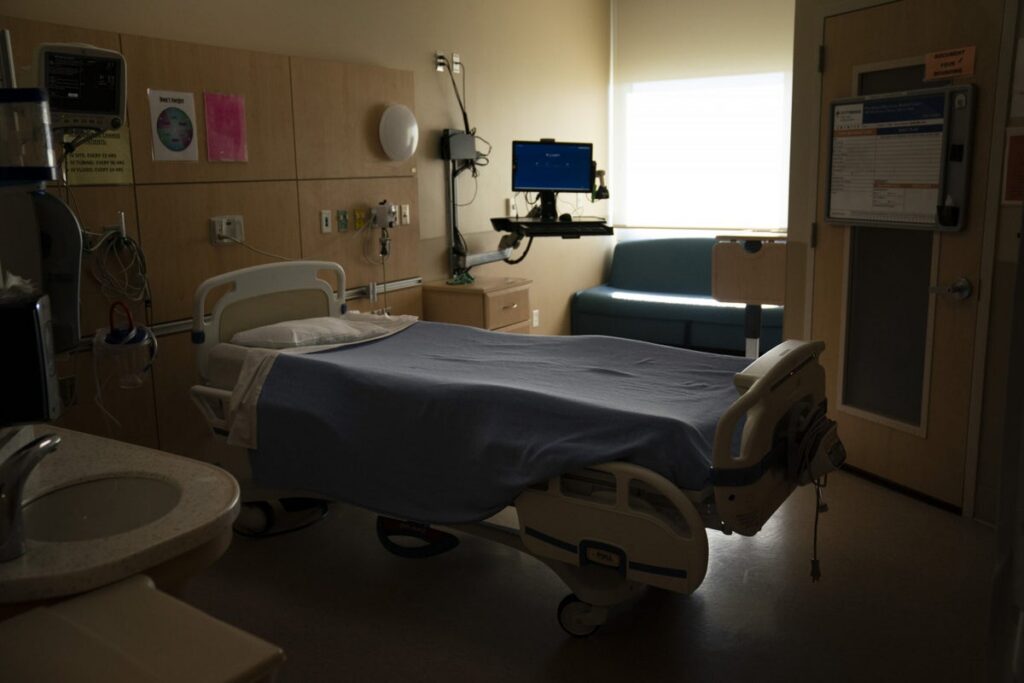
Wisconsin hospitals are grappling with a significant increase in unpaid care, with more than 2 million patient visits last year resulting in unpaid bills. This troubling trend highlights the growing financial strain on healthcare facilities across the state.
The Wisconsin Hospital Association’s Uncompensated Health Care Report reveals that hospitals provided over $2 billion in unpaid care in 2025. The unpaid care was almost equally divided between charity care for those unable to pay and bad debt from uncollected bills.
Compared to 2024, the total amount of unpaid care increased by 15 percent, accounting for roughly 2 percent of the total patient charges that year. Kyle O’Brien, president and CEO of the association, noted that the rise was primarily due to a nearly 29 percent increase in charity care, while bad debt rose by only 4 percent.
“As people have pressures in other parts of their life for expenses, whether it be housing or food or gas or whatever else, it may be more difficult for them to pay for other bills,” O’Brien explained. He attributed the increase partly to more coverage denials from private insurance companies, including Medicare Advantage plans, which can lead to services being categorized as charity care if the patient qualifies.
Rising Costs Create Barriers to Medical Bill Payments
Nationally, the recipients of uncompensated care remain somewhat elusive, but there are indications of who they might be. Benjamin Vatter, an assistant professor at MIT who studies healthcare markets, suggested that “It tends to be younger people, a lot of working-age people.” He noted that in states without expanded Medicaid, gaps in eligibility often leave individuals without adequate coverage.
The increasing trend of unpaid care is further compounded by the rise in health insurance premiums and overall living expenses. Vatter mentioned, “If they don’t know or the hospital doesn’t give them the option to negotiate a discount, the only option that is left for them is just not to pay it at all.”
While hospitals appear to shoulder the burden of unpaid care, federal programs do exist to support them, and providing charity care remains part of the tax exemption benefits for nonprofit hospitals.
Anticipated Growth in Unpaid Care
The forecast for unpaid care in 2026 is bleak, with hospital leaders expecting an 18 percent increase in bad debt and a 3.5 percent rise in charity care. Bobby Peterson, of ABC for Health, emphasized the necessity for Wisconsin’s next governor to tackle this issue, suggesting that assisting individuals in finding coverage could reduce medical debt.
Despite a record number of Wisconsinites signing up for health insurance in 2025, enrollment for 2026 dropped by 7 percent, attributed to “market destabilization driven by federal actions.” This decline follows the expiration of increased premium tax credits from the pandemic, which reduced financial assistance for plans.
Legislative changes like the One Big Beautiful Bill Act have also affected Medicaid, introducing work requirements that may lead to the loss of coverage for many residents. O’Brien highlighted the importance of addressing administrative challenges to ensure eligible individuals maintain their coverage, urging residents to utilize open enrollment periods, such as the current one for the Health Insurance Marketplace ending on December 15.