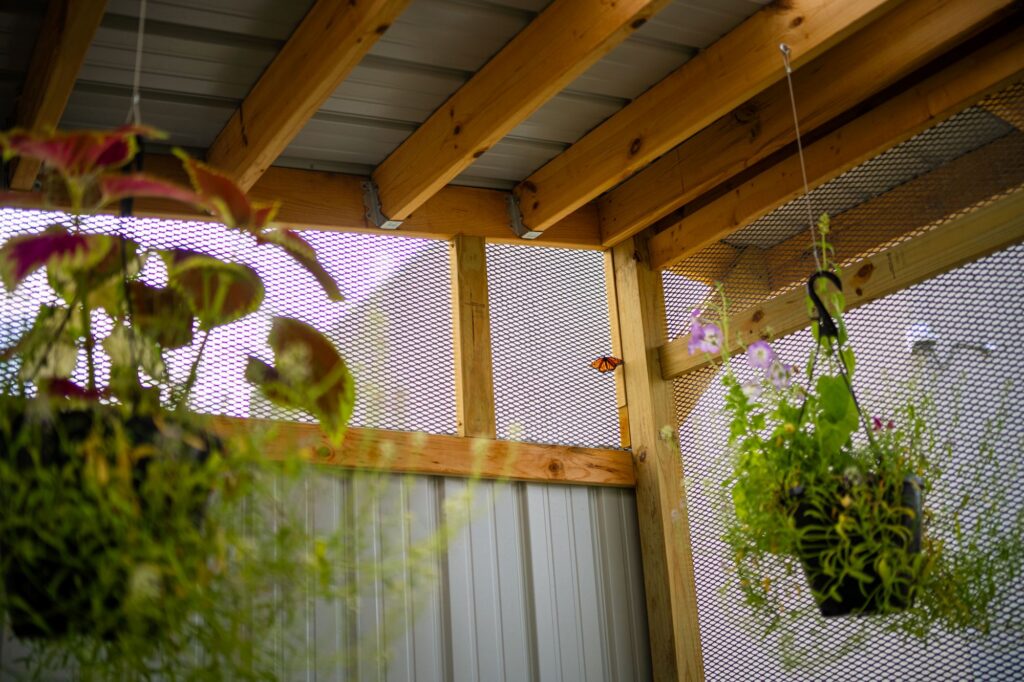
As monarch butterflies embark on their extensive 3,000-mile journey to Mexico, an inspiring conservation effort is unfolding within the confines of a Wisconsin prison. Behind the barbed wire and barred windows of Redgranite Correctional Institution, incarcerated individuals are playing a crucial role in nurturing these delicate creatures.
For the last two years, the prison’s inmates have been engaged in a unique program aimed at bolstering the dwindling monarch population. This initiative was spearheaded by Carrie Jahnke, known affectionately within the institution as “the butterfly lady.” Seeking an inclusive activity beyond traditional sports, Jahnke launched this impactful project.
Within a dedicated space at Redgranite, initially a small room, participants began by caring for monarch larvae as they transformed into butterflies. This year, the program expanded to 20 participants, thanks to support from the Natural Resources Foundation. They now operate from a larger facility dubbed the “monarch mansion,” officially named the “Refuge for Growth, Change and Inspiration.” This enclosure includes rearing cabinets and flower gardens designed to support the butterflies after they emerge from their chrysalises.
One participant shared the mesmerizing experience of being surrounded by fluttering wings, stating, “There were so many (butterflies) in one area that I could even hear the wings flapping.”


Other prisons in Wisconsin have taken notice of this successful endeavor, with leaders visiting Redgranite to observe the program firsthand and considering similar initiatives in their facilities. The daily routine for participants includes maintaining a clean habitat and ensuring a steady supply of milkweed, which is essential for caterpillar nourishment. Alongside practical tasks, the program emphasizes environmental education through reading and discussions.
“It’s developing job skills and supporting rehabilitation,” Jahnke explained in an interview with WPR’s “Wisconsin Today.” She highlighted the importance of teamwork in achieving the program’s goal of releasing healthy monarchs into the wild.
Participants derive a sense of fulfillment from their work, with one noting the broader impact: “I find it extremely rewarding how our program can have a positive benefit beyond our prison, and I’m proud to tell others that I’ve played a small role in it.”

The ripple effect of this initiative extends beyond the prison walls. Participants share their newfound knowledge about monarch conservation with family and friends, and fellow inmates are invited to witness the program’s impact. The presence of vibrant butterfly gardens also enhances the environment at Redgranite, providing beauty and tranquility.
Jahnke shared, “I’ll get random reports, like ‘Miss Jahnke, I saw 23 butterflies today.’ They’ll sit and watch the monarchs because we have so many beautiful flower gardens on the property … they’re always around for people to enjoy.”
With the season winding down, most butterflies have begun their southern migration, leaving only a few caterpillars waiting to complete their transformation.