Health Care Premiums Dispute: Whatley Versus Cooper
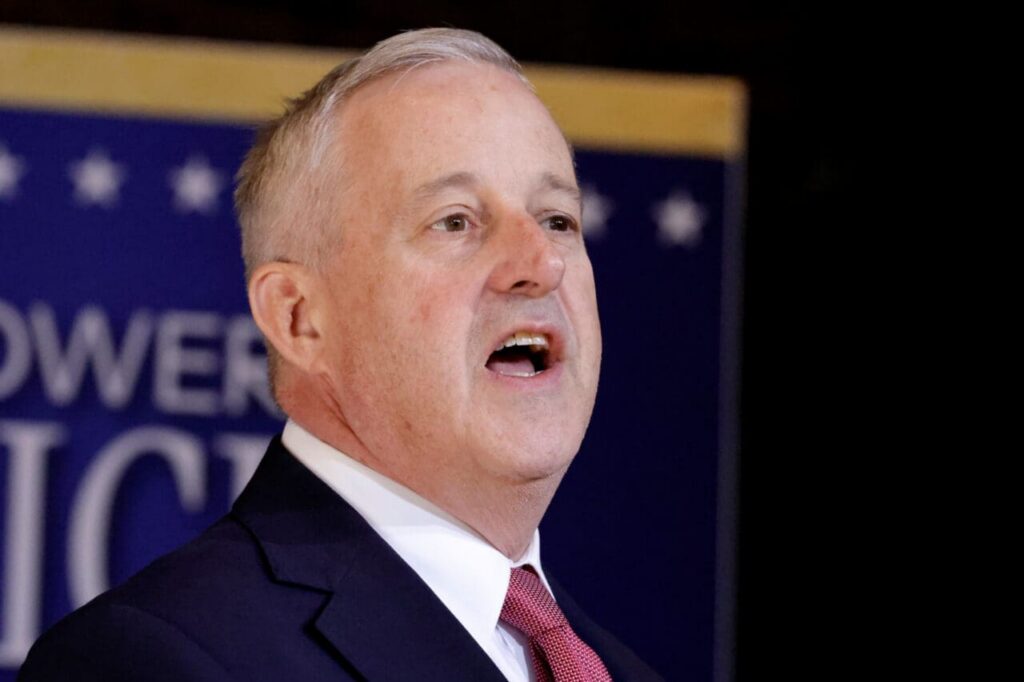
Michael Whatley, a Republican contender in the race for North Carolina’s open U.S. Senate seat, has made statements regarding health care premiums under the governance of Roy Cooper. Contrary to Whatley’s claim that premiums increased, data indicates a decrease during Cooper’s tenure.
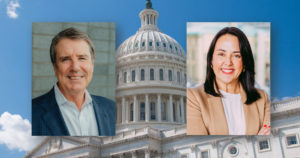
Both Whatley and Cooper are vying for the Senate seat, an election that could influence which party holds the majority in the U.S. Senate next year.
During an interview with Breitbart News on August 30, Whatley asserted that health insurance premiums in North Carolina rose by 183% over the course of Cooper’s dual terms as governor. This statement was reiterated at a Republican midterm convention in Dallas, Texas.
Whatley stated, “Under Roy Cooper’s reign, North Carolina became the most expensive state in the nation for health care costs. Under his watch, health care companies have raised insurance premiums 183%, hurting our families’ bottom lines as they already struggle to make ends meet.”
This assertion appears to derive from a 2021 Heritage Foundation analysis, but the foundation’s data actually indicates that the bulk of this increase occurred from 2013 to 2019, with Cooper assuming office in 2017. Therefore, much of the premium escalation took place under the administration of Republican Governor Pat McCrory.
Based on medical loss ratio data from the Centers for Medicare & Medicaid Services (CMS), the same dataset shows a 12% decline in average premiums during Cooper’s administration, marking the third-largest decrease in any state from 2017 to 2024.
Additionally, Whatley’s claim regarding North Carolina becoming the most expensive state for health care costs lacks robust evidence.
A controversial study published by Forbes in January 2025 suggested that North Carolina had the highest healthcare costs in 2024. However, Ascendient Healthcare, a consulting firm based in North Carolina, challenged these findings, stating that the study overly focused on premiums and deductibles from employer-sponsored health insurance, which does not cover the majority of residents in the state.
Brad Briner, Republican state treasurer, also questioned the Forbes study’s methodology and potential biases in comments to the Carolina Public Press, leading to its eventual removal from Forbes’ website.
Health care costs remain a significant concern for voters, as highlighted by a KFF poll in April, which found that nearly nine in ten respondents indicated this issue would impact their voting decisions in the upcoming election.