Conflict and violence have displaced nearly 50 million children worldwide, prompting charitable organizations to provide these young victims with opportunities to engage in play, an experience often lost during war.
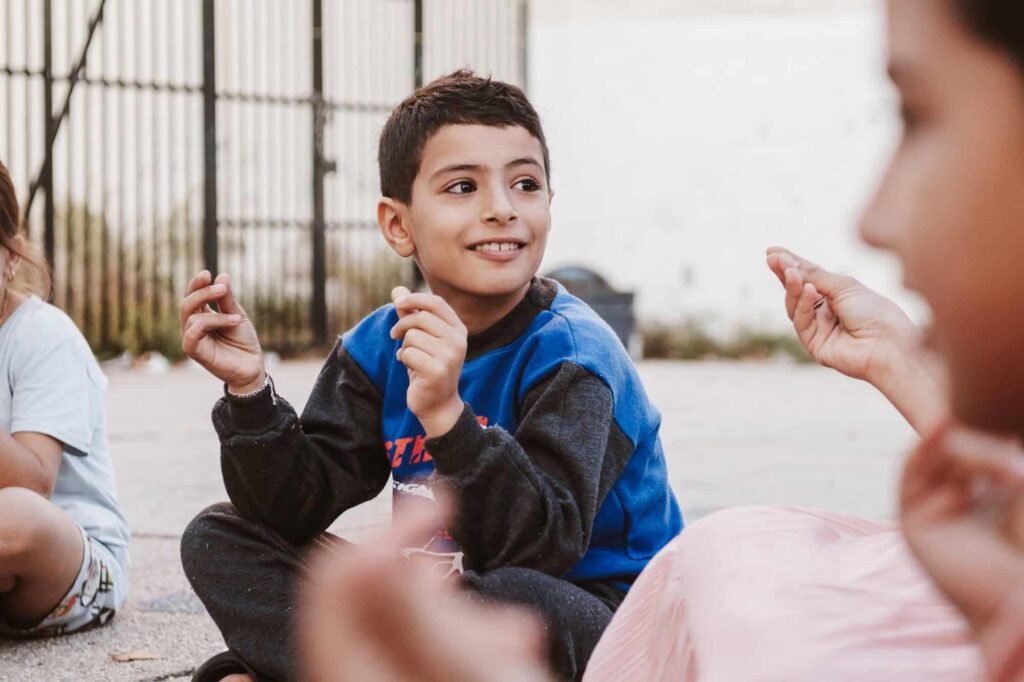
Hamza, a 10-year-old Palestinian boy, spent his entire life in Nahr el-Bared, a refugee camp in northern Lebanon. Previously quiet and introspective, Hamza transformed his behavior through participation in the Enhancing Quality and Inclusive Education (EQIE) program facilitated by the global NGO, Right To Play. Hamza’s participation in group activities such as drawing, storytelling, and role-playing allowed him to express his emotions. After a year, he had learned how to write his name, recognize letters, and make friends. Four years into the program, Hamza dreams of becoming a dentist.
Hamza’s story reflects the positive transformations play-based interventions can inspire in children affected by displacement and war-related trauma. Racha Nasreddine, the country director for Lebanon at Right To Play, explained that play is essential in developing core skills and boosting self-esteem among children. Play can also help children regain a sense of control, often lost during times of war.
Such interventions are of pressing need as conflicts across regions like the Middle East, Ukraine, and Sudan have left children in dire circumstances. As of 2024, Unicef reported that nearly 50 million children had been displaced due to conflict and violence, a figure almost triple that of 2010.
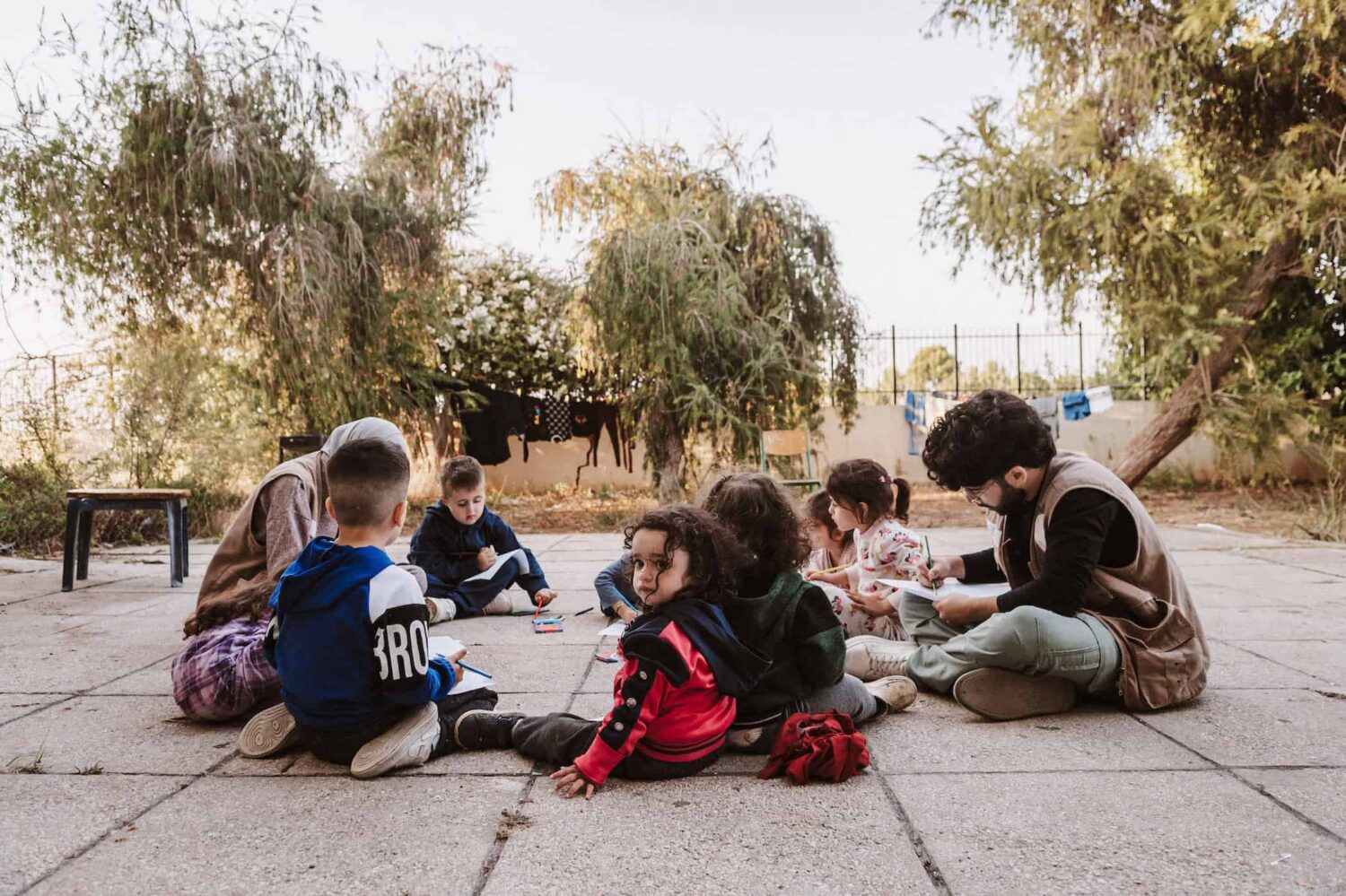
Children affected by war often experience both physical and psychological trauma, including post-traumatic stress disorder, anxiety, depression, selective mutism, sleep problems, and behavioral changes such as aggression or withdrawal. Although play is a crucial part of psychosocial therapy, opportunities for it are often limited due to school closures, lack of playgrounds and green spaces, and cramped conditions in refugee camps.
Despite the right to play being recognized in Article 31 of the UN Convention on the Rights of the Child, many children are still deprived of it. In response, global organizations like Catalytic Action and Playrise are creating empowering play spaces for children in conflict and disaster zones.
By involving local children in the design process, these organizations help them envision their dream playgrounds. This process not only gives them a sense of agency but also enables them to share their feelings, experiences, and visions. The final playgrounds often feature unique features like staggered benches, outer wall peepholes, sensory toys, and an open space for ball games.
These children-friendly spaces are built to be durable, providing benefits over years rather than weeks. In contrast, organizations like Playrise focus on creating modular playgrounds that are easy to transport and install in response to the unpredictability of war.
Playrise’s play structures can be easily dismantled and modified with different attachments, like hammocks and swings, making the design flexible to meet the preferences of different communities. These designs are co-developed with children in Ethiopia and Egypt, with the first prototype set to be installed in a camp in Aysaita, Ethiopia.
However, play doesn’t always require a physical structure. Helen Christie, a clinical psychologist with the Children & War Foundation, explains that integrating “fantasy” into psychosocial therapy is crucial for trauma recovery. Play sessions should help children shift towards a new, reparative narrative, rather than rehashing traumatic experiences.
Similarly, Palestine Play Projects, a UK-based volunteer-led charity, heavily relies on imaginative play. They conduct play sessions in refugee camps, using minimal resources. These sessions help children express their emotions, build trust, and aid in psychological healing.
Play may not protect children from war and displacement, but it gives them a voice through their language of expression. Although only 3% of humanitarian aid goes towards education, the impact of play in the physical and mental wellbeing of children, their learning and development, and in bringing them moments of normality in difficult circumstances, is invaluable.
* Names have been changed to protect identities
Main image: Right to Play / Ralph Azar