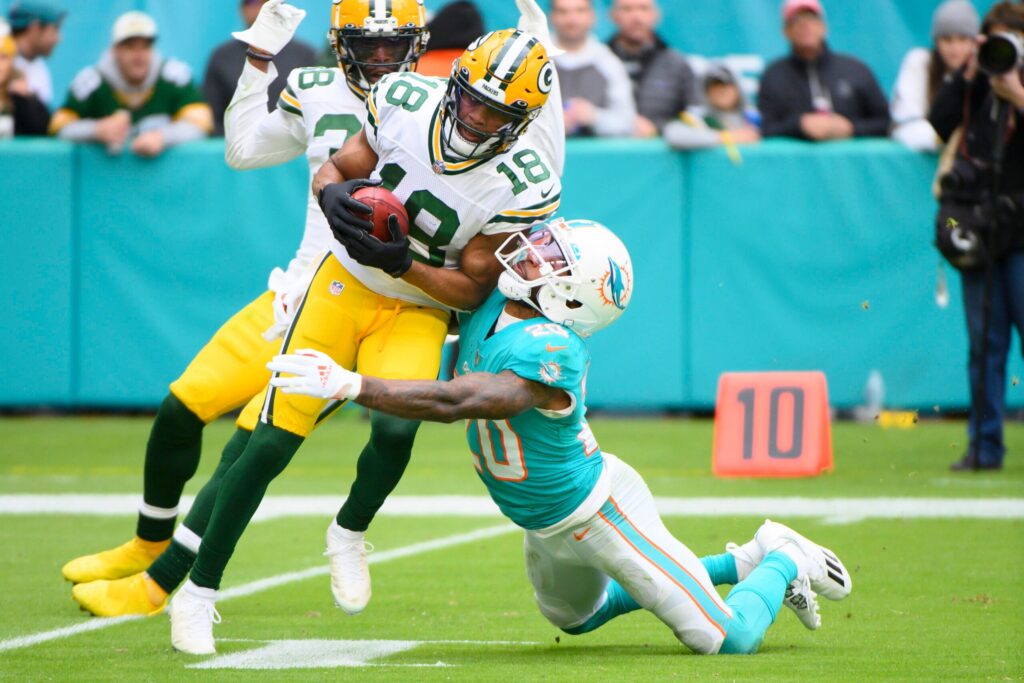
New Study Reveals CTE Risk Among NFL Players
Recent research published in The BMJ highlights a significant health concern for NFL athletes: approximately 25% could develop chronic traumatic encephalopathy (CTE), a degenerative brain disease. However, experts suggest this risk may not be as pronounced for athletes in lower-impact sports.
CTE is frequently associated with sports involving high-impact collisions, such as football. According to the Mayo Clinic, repeated head injuries can lead to nerve cell degeneration, impacting cognitive abilities.
Dr. Benjamin Brett, an associate professor of neurosurgery at the Medical College of Wisconsin, shared insights on WPR’s “Wisconsin Today.” He noted that while the study is surprising, it should not cause undue alarm for lower-level athletes and their parents.
The study involved an analysis of 338 former NFL players’ brains, all of whom had passed away between 2008 and 2021. The findings indicate that one-quarter had CTE, though fewer exhibited symptoms severe enough for a dementia diagnosis.
Dr. Brett commented, “That’s a relatively advanced progression of the neuropathological change. And even those with that stage and level of progression, there’s still a ton of variation in terms of who is experiencing cognitive impairment and decline.”
Implications for Athletes at All Levels
During the WPR segment, Dr. Brett discussed the implications of the study’s results, particularly for younger athletes. He emphasized the importance of distinguishing between the presence of CTE neuropathology and the clinical symptoms of dementia.
“The presence of this pathology does not mean a definitive diagnosis of dementia,” Dr. Brett explained. He added that the study’s findings should not be generalized to athletes in lower-impact sports or those who played only at the high school level.
Dr. Brett also discussed the potential to control the risk of CTE by reducing hits during practice. He highlighted efforts by the Care Consortium to implement policy changes that reduce head impacts during collegiate practices.
Balancing Risks and Benefits in Contact Sports
Dr. Brett emphasized the need for a cost-benefit analysis of contact sports, weighing the risks of neurodegenerative diseases against the benefits of physical activity and social interaction.
He remarked on the advancements in concussion detection and management, noting that modern protocols have improved player safety and reduced the risk of repeated concussions.
“Advancements in detection methods, return-to-play protocols, and player safety have been significant. The modern clinical care model ensures quick removal from sport following an injury and a gradual return-to-play progression,” Dr. Brett concluded.