Amid escalating trade tensions, the Trump administration has introduced a significant 50 percent tariff on various Canadian imports, following unsuccessful negotiations. This development marks a new chapter in the ongoing trade conflict between the two nations.
The latest tariffs encompass a wide range of Canadian goods, including dairy products, paper items, and alcoholic beverages. These are in addition to the existing duties on Canadian steel, aluminum, auto parts, and lumber. In response, Canada has announced its own set of retaliatory tariffs, ranging from 15 to 50 percent, affecting about 700 American products. These measures are set to take effect immediately after Labor Day.
Chris Wojtowicz, an international trade consultant with the Wisconsin Small Business Development Center, discussed the impact of the trade war on Wisconsin during an interview with WPR’s “Wisconsin Today.” He emphasized the challenges faced by small businesses, citing that increased costs at the border impact their operations well before affecting consumers.
Wisconsin’s Trade Ties with Canada
Wojtowicz highlighted the significance of Canada’s role as Wisconsin’s top trading partner, accounting for around 28 percent of the state’s exports, valued at approximately $7.5 billion. Key exports to Canada include paper and packaging products, manufactured goods, furniture, wood products, and dairy.
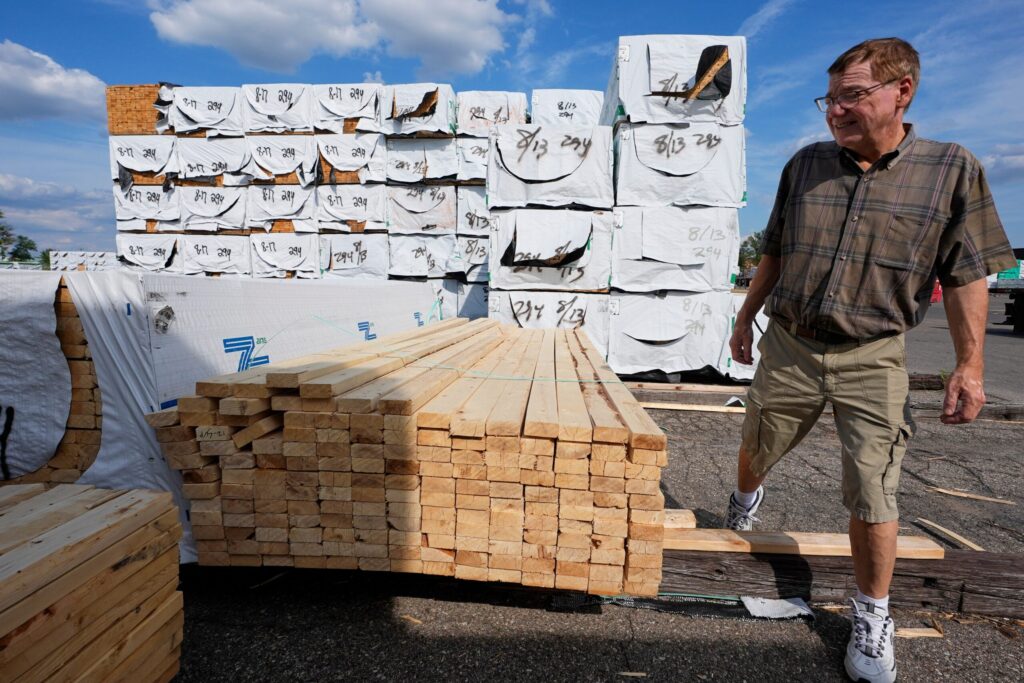
The import side is equally crucial, with Wisconsin businesses heavily reliant on Canadian lumber and wood, which are essential for home builders, cabinet makers, and furniture manufacturers. With tariffs potentially increasing costs by 50 percent, the impact on contractors and small businesses is expected to be significant.
Strategies for Businesses
Wojtowicz advises businesses to collaborate with customs brokers, logistics providers, or trade advisors to navigate these turbulent times. Developing contingency plans and exploring alternative suppliers for materials like wood and dairy can help mitigate the impact of tariffs.
While larger corporations like Harley Davidson and Milwaukee Tool have dedicated teams to manage trade challenges, smaller businesses need to focus on communication with their customers and strategize on how to absorb or pass on additional costs.
Despite the challenges, Wojtowicz noted potential opportunities for Wisconsin businesses. Companies competing with Canadian suppliers might gain market share if Canadian imports become more expensive. This could benefit domestic lumber mills and paper producers, although it remains uncertain.
Wojtowicz encouraged companies to seize these opportunities, suggesting that Wisconsin businesses consider promoting local products, such as a “Wisconsin whiskey,” to capture the market share previously held by Canadian products.