NorthWestern Energy Explores Small Modular Nuclear Reactors in South Dakota
NorthWestern Energy has invested over $800,000 to research small modular nuclear reactors in South Dakota. The company, active in Montana, is also assessing potential sites and forming a nonprofit to educate the public about nuclear energy, referred to as the “South Dakota Nuclear Collective” in documents filed with the state Public Utilities Commission.
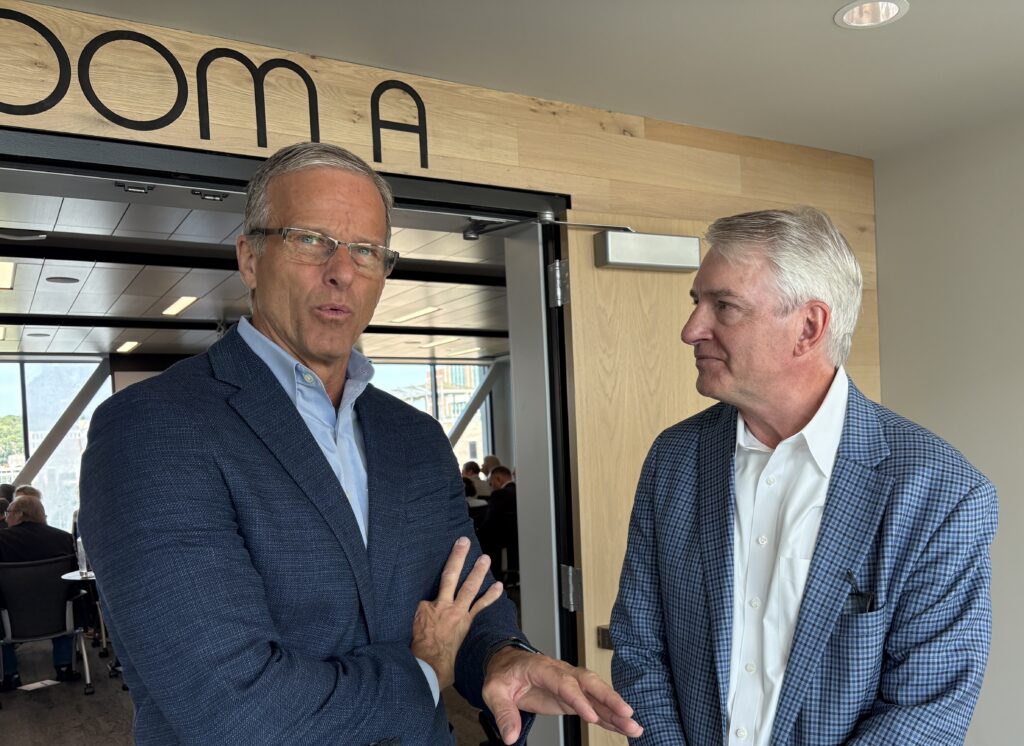
SIOUX FALLS — U.S. Senate Majority Leader John Thune, R-South Dakota, highlighted the possibility of bipartisan cooperation on permitting reform in Congress during a recent NorthWestern Energy summit. This event comes as the company, serving 65,000 customers in South Dakota, plans a merger with Black Hills Energy to form Bright Horizon Energy Corporation.
Thune mentioned the consideration of shorter federal reviews for energy projects and time limits on legal challenges. He stated, “As soon as they’re ready to go, we’ll put it on the floor” for a Senate vote. The political climate has shifted as developers across various energy sectors face similar regulatory hurdles, bringing attention to the need for reform.
Thune emphasized the importance of Democratic support in the Senate, where major legislation requires 60 votes to bypass a filibuster. The Senate Environment and Public Works Committee and Energy and Natural Resources Committee are currently discussing potential reforms.
South Dakota inches toward studying nuclear power as data center energy demands loom
Democratic committee members expressed a desire for a bipartisan bill to expedite development, reduce energy costs, and create jobs. However, they noted that progress might hinge on the Trump administration’s stance on renewable energy projects.
Among policy shifts, the administration has labeled offshore wind as a national security threat, tightened tax credit eligibility for wind and solar, and retracted Biden-era “Solar for All” grants. Last year, the Bureau of Land Management canceled a significant solar project.
Thune remarked on the heightened partisanship in Congress but suggested energy permitting reform might stand as an exception. “I’m a realist,” he stated. “But I feel good about where things stand.”
Permitting Reform
Utilities like NorthWestern anticipate growing demand, fueled by data centers. Thune advocated for faster permitting to attract private investment, noting the necessity of embedding reform in federal law to ensure consistency across administrations.
He proposed implementing a permitting “shot clock” to set review deadlines and emphasized the need to streamline legal processes post-approval. Thune supports an “all of the above” energy strategy, balancing fossil fuels and renewables.
Nuclear Power
Nuclear power, particularly small modular reactors, could gain bipartisan backing. These reactors, smaller than traditional plants, offer a new path forward with a capacity of up to 550 megawatts. Thune noted the renewed interest in these technologies, stating, “Nuclear is, you know, it’s kind of back in vogue.”
NorthWestern Energy’s study involves evaluating potential sites and establishing the “South Dakota Nuclear Collective” to enhance public knowledge about nuclear power.