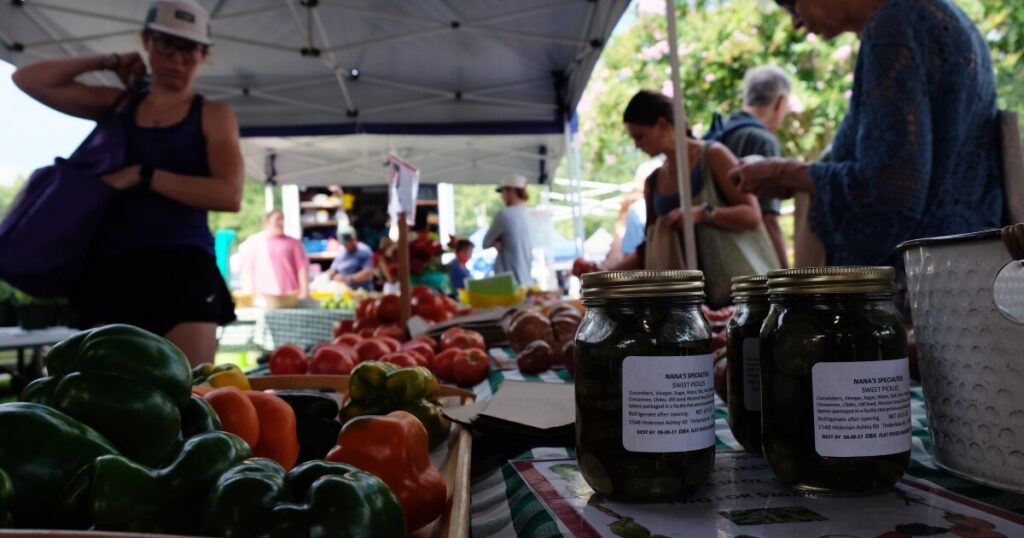
Despite a noticeable rise in cyclosporiasis cases, the State Farmer’s Market in North Carolina’s Triangle region is experiencing an increase in visitors, according to local agriculture officials. This trend emerges as locals become more conscious of their food sources.
Monica Wood, who manages the State Farmers Market, remarked, “I feel like everybody’s being more mindful about where their food’s coming from, which they should be.” She emphasized the benefits of shopping at farmers markets, highlighting the direct connection consumers can have with local producers and the freshness of locally sourced products.
While the Triangle’s market is bustling with activity, other areas in North Carolina tell a different story. The North Carolina Growers Association, representing over 700 farms, notes a decline in patronage at various farmers markets across the state. This includes those in Raleigh, Greensboro, and Asheville, with produce like lettuce being linked to the current outbreak.
The deputy director of the N.C. Growers Association, Lee Wicker, reported that many farmers he has spoken with are experiencing a downturn in sales due to the outbreak. He warned, “If sales drop enough, you know they’ll basically be going to Congress and asking for some emergency aid package money, so that they can pay their bills and not close the doors.” However, he noted that the situation has not yet reached that critical point.
Experts suggest that while the outbreak is a significant factor, it is not solely responsible for the difficulties faced by some farmers. Raymond Thomas, an agribusiness and marketing extension specialist at North Carolina A&T State University, pointed out that the outbreak has “exacerbated a lot of the challenges that were already existing for local producers.” He stressed the importance of distinguishing local markets from larger supply chains affected by the cyclospora issue.
Thomas observed a growing trend of North Carolinians opting for local produce, especially in areas with established local food systems, as consumers seek safer options amid the outbreak. State health officials have identified parsley, cilantro, and lettuce as common foods linked to the outbreak.
The North Carolina Department of Health and Human Services reported 929 cases of cyclosporiasis as of Tuesday, with the majority occurring in Wake County. Symptoms include severe diarrhea, nausea, weight loss, loss of appetite, fatigue, and bloating.
Tips on how to stay safe from cyclosporiasis
- Rinse produce before you peel it to prevent the transfer of dirt and bacteria.
- Gently rub produce under plain running water; soap or produce wash is unnecessary.
- Use a clean vegetable brush for firm produce like melons and cucumbers.
- Dry produce with a clean cloth or paper towel to further reduce bacteria.
- Remove the outermost leaves of lettuce or cabbage.
- Trim away damaged or bruised areas before preparing or consuming produce.