Canadian Wildfires Impact Air Quality in North Carolina
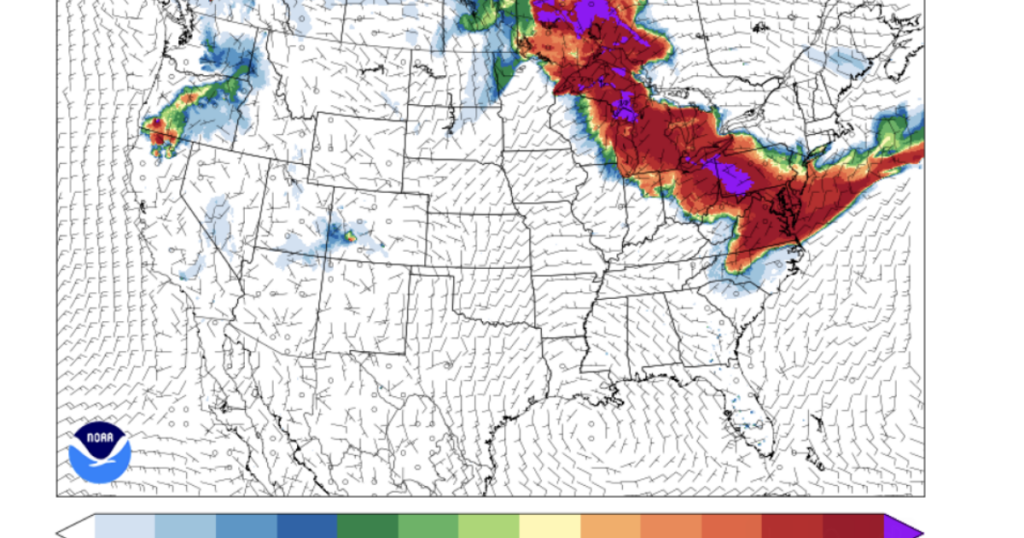
Wildfires raging across Canada have led to significant environmental challenges, now extending their impact across the border into the United States. As these fires continue to burn, smoke has traveled southward, leading to deteriorating air quality in various parts of North Carolina. This situation has raised health concerns among residents.
Andrew Whelan, the communications director for CleanAIRE NC, highlighted the potential health risks caused by the drifting smoke. “Even though the fires are far away, winds in the upper atmosphere can carry that smoke hundreds or even thousands of miles,” Whelan explained.
The increasing frequency and intensity of wildfires are linked to climate change, driven by the burning of fossil fuels. According to Toddi Steelman, a wildfire expert and vice president for climate and sustainability at Duke University, “Hot, dry and windy weather leads to big fires. And climate change will exacerbate these conditions, so we will see hotter, drier and in some cases windier conditions.”
Exposure to wildfire smoke can lead to various health issues, ranging from minor irritations such as eye and throat discomfort to more severe problems like asthma attacks. Vulnerable groups, including older adults, children, outdoor workers, and those with chronic health conditions, face heightened risks.
Whelan advises the public to monitor air quality levels, particularly during periods of increased smoke. “If you’re outside over the weekend during heavy smoke periods, you may notice that you’re experiencing coughing or throat irritation … shortness of breath,” he noted. Residents can use CleanAIRE NC’s Air Keeper Dashboard to access real-time air quality data from thousands of sensors located across North Carolina.