This coverage is made possible through a partnership between BPR and Grist, a nonprofit environmental media organization.
In an effort to safeguard wildlife and drivers, North Carolina’s General Assembly has approved a significant budget allocation. The state will invest $10.2 million every two years to construct wildlife crossings, marking a substantial increase from the $2 million set aside in 2023.
Before highways crisscrossed western North Carolina, the region’s wildlife roamed freely across its diverse landscapes. However, with infrastructure development, animals such as coyotes, deer, and elk face perilous journeys, often resulting in fatal accidents. The state recorded 63,000 wildlife collisions between 2022 and 2024, leading to 23 human fatalities and thousands of injuries.
Advocates highlight the dual benefits of wildlife crossings, which improve safety for both animals and drivers. The North Carolina Department of Transportation (NCDOT) will manage the new funding, directing it towards independent projects or collaborative partnerships, though specific allocations remain undetermined.
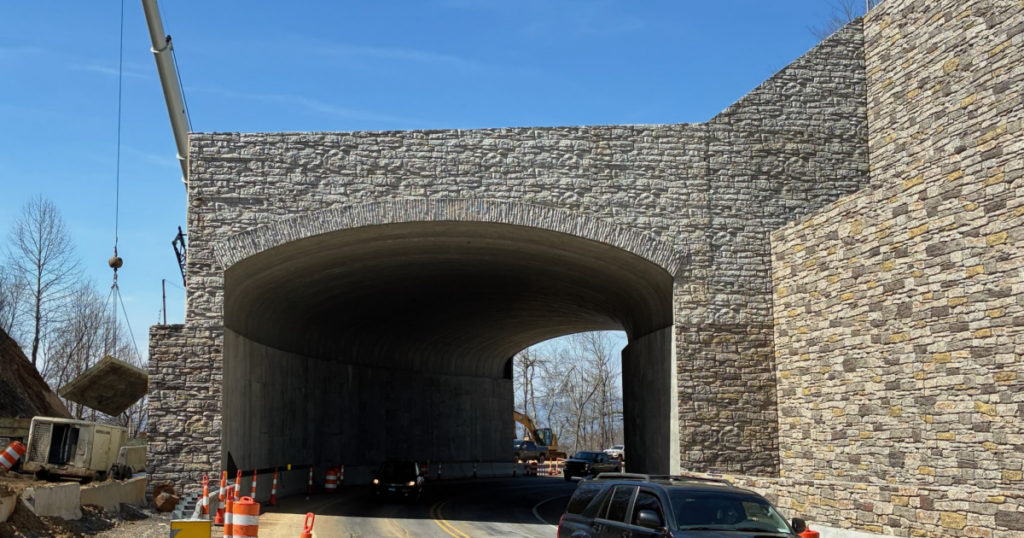
According to David Uchiyama, spokesperson for NCDOT, project costs vary widely. Crossings can range from small ditches for salamanders to expansive bridges for larger mammals like elk and bears. A notable example is the Corridor K project in Graham County, designed to facilitate safe passage over NC-143.
In recent years, NCDOT has deepened its collaboration with the North Carolina Wildlife Resources Commission (NCWRC), seeking expert guidance for road and bridge projects. Dave McHenry of NCWRC noted the importance of this partnership, especially following Hurricane Helene, which caused extensive damage to existing wildlife pathways.
“The flood took out a lot of structure and left a lot of bare banks and dirt,” McHenry explained, emphasizing the need for retrofitting culverts to better accommodate animal movements.
Jeffrey Hunter, from the National Parks Conservation Association, underscores the urgency of addressing the Pigeon River Gorge section of I-40, a critical area impacted by Hurricane Helene. He remarked, “Hurricane Helene, unfortunately, damaged the one place in the corridor where wildlife could cross successfully.”
Beyond immediate disaster recovery, wildlife crossings play a crucial role in helping species adapt to climate change. As animals migrate towards cooler climates, roadways can become barriers. Hunter highlighted the importance of making roads more permeable to support wildlife movement and resilience.