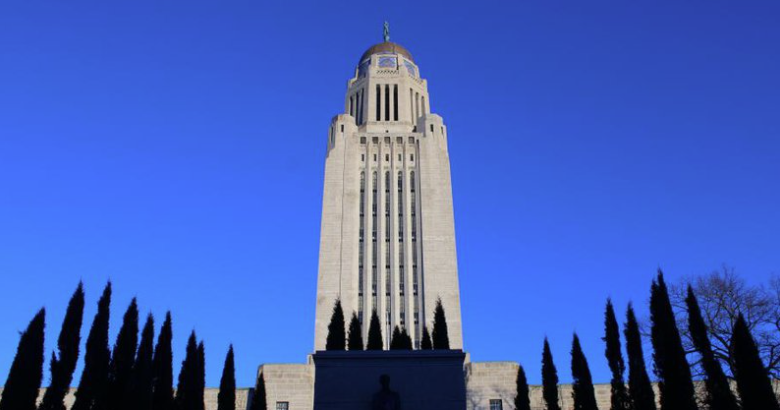
A recent legal development in Nebraska has brought attention to the challenges of regulating social media use among minors. A federal judge’s decision highlights the delicate balance between safeguarding young users and upholding constitutional rights.
Nebraska Law Faces Legal Challenge
In a recent ruling, a federal judge blocked significant portions of Nebraska’s Parental Rights in Social Media Act, also known as LB 383, from being implemented. The law was intended to shield minors from potential harms associated with social media, but certain provisions were deemed potentially unconstitutional.
NetChoice, an association including major social media companies like TikTok and Meta, filed a lawsuit against Nebraska over this legislation. The association’s primary contention was that the law’s requirements for age verification and parental consent infringe on First Amendment rights.
First Amendment Concerns
Senior U.S. District Court Judge John Gerrard, in granting a preliminary injunction, expressed that the requirements for age verification and parental consent could likely violate the First Amendment. He noted that creating a social media account is integral to engaging in expressive activities protected by the Constitution.
However, Judge Gerrard allowed enforcement of a specific provision requiring social media platforms to offer a parental monitoring dashboard. This part of the law was seen as appropriately targeted to address concerns about minors’ unmonitored social media use.
Scrutiny and State Interests
The defense argued that the law does not fall under First Amendment scrutiny as it merely affects account creation. Judge Gerrard disagreed, stating, “By requiring age verification and parental consent to create an account, LB 383 has a direct impact on several protected First Amendment activities and materials.”
The court assessed the law under the strict scrutiny standard, which demands that a law must be narrowly tailored to achieve a compelling state interest. Despite evidence supporting the state’s concern over social media’s impact on minors’ mental health, Gerrard found the law’s broad restrictions unlikely to withstand such scrutiny.
Ongoing Legal Proceedings
NetChoice has a history of challenging state laws that limit access to social media through legal actions. The group asserted that the law’s burdensome requirements might compel some companies to restrict access in Nebraska entirely.
The preliminary injunction serves as a temporary measure while the case continues. Both NetChoice and the Nebraska Attorney General’s Office have yet to comment on the ruling. The broader implications of this decision may influence future legislative efforts concerning minors’ use of social media.