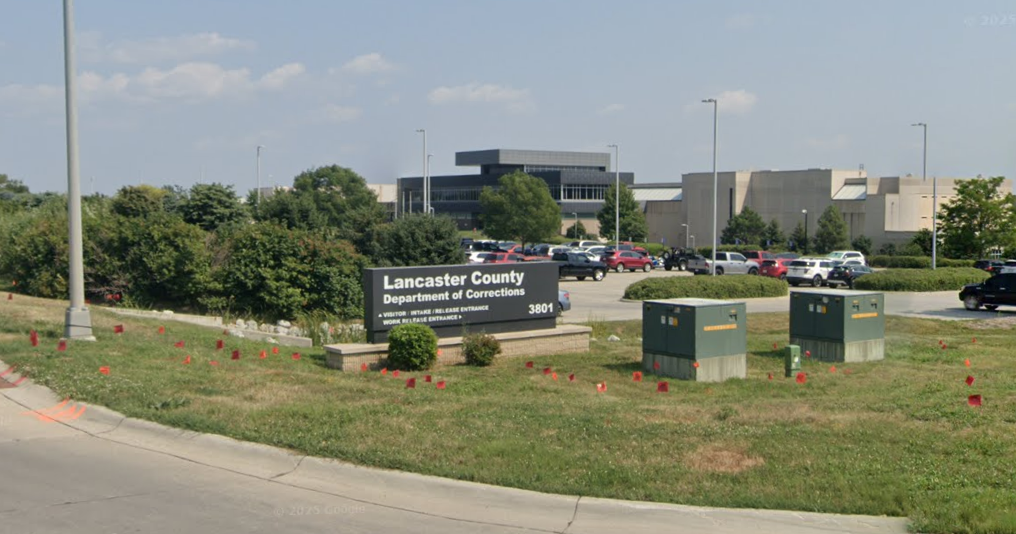
Lengthy Waits at Lancaster County Jail Exacerbate Overcrowding Issues
At Lancaster County jail, 14 inmates are currently in limbo, awaiting transfer to the Lincoln Regional Center (LRC). This delay halts their legal proceedings until they can secure a bed at the psychiatric facility.
The LRC is one of Nebraska’s two public psychiatric hospitals, boasting 240 beds, while the Norfolk facility holds 114. Both centers address various psychiatric and behavioral issues, including forensic psychiatric services and sexually deviant behavior.
Overcrowding at the Lancaster County jail compounds the problem. According to a 2025 criminal justice system assessment, the jail operated at 112% capacity based on the average daily population for 2024-2025.
Lancaster County Corrections Director Brad Johnson explained that inmates who have completed a competency evaluation face a standstill in their cases. “These cases just get placed on hold so the case doesn’t move, process, they don’t go to court. Everything comes to a standstill until they’re restored to competency,” he stated.
Wait times for county jail inmates have surged to an average of 76 days by March, a 280% increase from the previous year’s 20-day wait. The shortest wait time recorded was 10 days in June 2024.
From a judicial perspective, the wait spans 94 days from when a judge deems an individual incompetent until a bed becomes available. This figure has risen significantly, with the lowest recorded wait being 26 days in March 2025.
Johnson mentioned that, in addition to those waiting for beds, there are about 10 individuals currently at the LRC and seven awaiting evaluation. He emphasized that the issue is not an increase in individuals found incompetent but rather a capacity limitation at the LRC. “They’re just sitting here in the jail waiting for a bed that can, you know, help them move along. So it really bothers me that we don’t have better solutions than just putting them in a jail,” he expressed.
Despite having mental health specialists in the jail, Johnson noted that this is not a sustainable solution. He added, “These are folks who do not function real well in a correctional facility; they really need to be in a therapeutic environment where their need can be addressed by professionals that have skill sets that are more honed towards these types of issues.”
Wendy Baumeister, director of justice and behavior health integration for Region 5 Systems, highlighted that individuals could wait up to 90 days for LRC admission post-evaluation. “And so then it gets to that point of do the charges just get dropped because they’ve been in custody longer than what they would have been had they been found guilty,” she remarked.
Kristin Nelson, director of emergency services for Region 5, oversees cases where individuals are deemed mentally ill and dangerous. Currently, 32 people have been sent to the LRC by the mental health board, with an additional eight on the waitlist.
Both Nelson and Baumeister have seen unprecedented wait times in their careers. Nelson attributes this to prolonged patient stays at the LRC, where the average stay length was 604 days in 2025. She emphasized the importance of reducing these stay durations. “We need to reduce the length of stay at the crisis center and getting them into treatment quicker. The other is, we need to get people into LRC, enhance the treatment there, and get them out quicker,” she stated.
Baumeister pointed to systemic issues, such as budget cuts and changes in behavioral health service definitions, as contributing factors. To tackle these challenges, Region 5 is organizing a statewide summit to address the sequential intercept mapping of individuals with mental disorders in the criminal justice system. This gathering aims to foster collaboration among law enforcement, judges, probation officers, and behavioral health providers.
“It’s really going to be a large coming together to kind of address this issue because the reality of it is, it is what it is, you know, and how do we move forward, kind of with that piece of it?” Baumeister concluded.