Proposed EPA Budget Sparks Bipartisan Pushback Over Water Project Cuts
The Environmental Protection Agency’s proposed budget for fiscal year 2027, which suggests significant reductions in funding for water and wastewater projects, is facing resistance from both political parties. The proposed cuts are part of President Donald Trump’s plan to reduce the EPA’s budget to $4.2 billion, effectively slashing it by more than half.
Central to these reductions is a proposed 90% cut to state revolving loan funds, translating to an approximate $2.5 billion decrease in financial support for drinking water and wastewater initiatives. Additionally, the budget suggests cutting $1 billion in categorical grants that fund environmental programs addressing air quality and pollution control.
Wisconsin, among other states, is poised to be significantly impacted. Last year, the state sought $1 billion in funding for over 200 projects, marking a record demand, according to Matt Marcum from the Department of Natural Resources. “That’s a record, by the way, to top the billion-dollar mark,” Marcum noted.
As the demand for safe drinking water and clean water funds rises due to aging infrastructure and new regulations, the proposed cuts could hinder progress. Under the new budget, Wisconsin’s revolving loan funds could drop dramatically from approximately $40.6 million to about $6.4 million. Tribes across the nation would also experience a reduction from nearly $22.9 million to $6.1 million.
Senators from both sides of the aisle have expressed their concerns. U.S. Sen. Lisa Murkowski, R-Alaska, criticized the near elimination of funding, stating, “Cutting them would hurt public health and safety.” Similarly, Democratic U.S. Sen. Tammy Baldwin emphasized the importance of these funds for replacing lead laterals, which remain a significant health risk in Wisconsin.
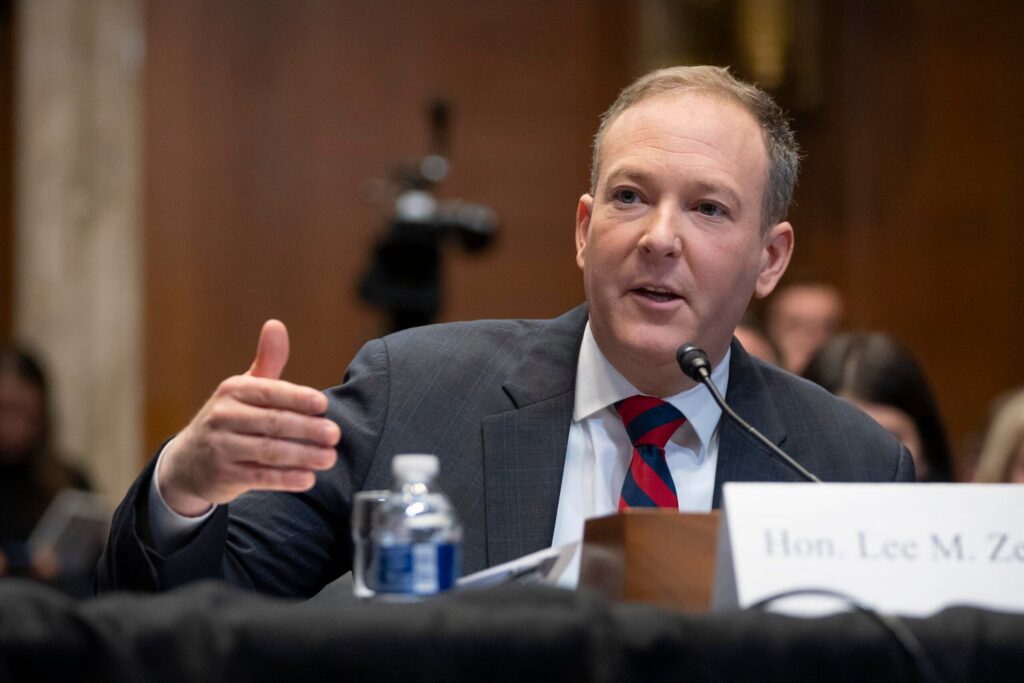
EPA Administrator Lee Zeldin responded to the criticisms by highlighting that nearly $6 billion in state revolving loan funds remain unused. He stated, “The agency is currently reviewing options to make sure (state revolving loan fund) capitalization dollars go to states that are ready and willing to use them to improve their local communities.”
However, local experts, including Vanessa Wishart from the Municipal Environmental Group-Wastewater Division, argue that federal grants are crucial for ongoing projects, particularly for small and disadvantaged communities. Chris Groh from the Wisconsin Rural Water Association further explained the necessity of principal forgiveness to make these projects affordable for rural areas.
Despite potential federal cuts, Wisconsin communities will still have access to significant funding for now, unless reductions persist. The state is also set to apply for supplemental funding under the 2021 bipartisan infrastructure law, focusing on emerging contaminants and lead service line replacements.
Great Lakes Restoration Initiative Largely Intact Amid Budget Proposals
Inquiries during the Senate hearing also touched on the Great Lakes Restoration Initiative (GLRI), with concerns raised by Sen. Baldwin over proposed budget reductions. President Trump’s previous attempts to cut funding for the initiative have consistently met with bipartisan resistance in Great Lakes states.
While the proposed budget slightly reduces GLRI funding by nearly $1.3 million to $367.7 million, EPA Administrator Zeldin reassured that support for the initiative remains robust. “We believe that funding this initiative is incredibly important,” Zeldin stated.
Since its inception in 2010, the GLRI has allocated over $4 billion, including nearly $1 billion towards projects within Wisconsin.