The Hidden Dangers of Coal Ash Contamination in the Mountain West
In the Mountain West, groundwater serves as a critical resource for drinking, agriculture, and industry. This reliance makes even minor contamination risks potentially significant, especially in areas with limited alternative water sources.
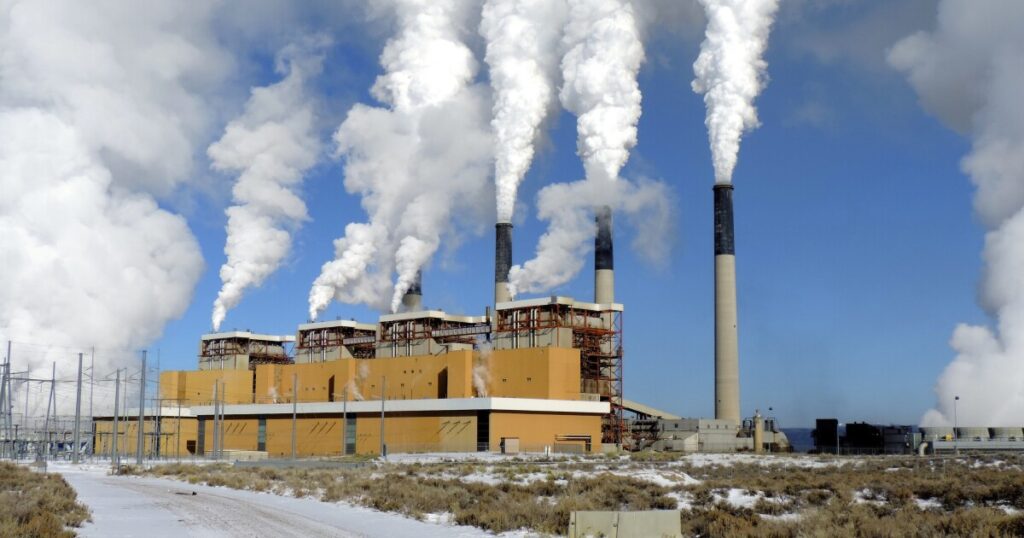
Coal ash, a hazardous byproduct of coal burning for electricity, is typically stored in ponds or landfills near power plants. Current Environmental Protection Agency (EPA) regulations mandate these sites to monitor adjacent groundwater and address contamination if it surpasses federal safety standards.
The region is dotted with coal ash sites: Colorado has approximately 12, Wyoming and Utah each have six, Arizona hosts five, Nevada contains four, and New Mexico has three. Notably, Idaho is absent from this dataset.
Monitoring data reveals a link between coal ash ponds and landfills and groundwater contamination at numerous locations within this region. Testing has detected toxic metals such as arsenic, boron, lithium, and radium in some areas.
“It’s a whole alphabet soup of dangerous chemicals,” observed Lisa Evans, a senior attorney with Earthjustice, an environmental law organization challenging the EPA proposal. “When coal ash gets wet, the water takes those hazardous contaminants and leeches it out of the coal ash into the groundwater, which could be used for drinking or irrigation.”
Evans highlights the amplified risks when coal ash interacts with water, warning that reduced oversight could complicate cleanup efforts. Even after plant closures, coal ash left onsite poses a persistent pollution threat.
“This proposal would roll back key health and environmental safeguards nationwide,” Evans continued. “It would open the door to more pollution from coal ash dumps across the country.”
The EPA is open to public comments on this issue until June 12 and has scheduled an online hearing for May 28.
This report was crafted by the Mountain West News Bureau, a partnership involving KUNR, Wyoming Public Media, Nevada Public Radio, Boise State Public Radio in Idaho, KUNC in Northern Colorado, KANW in New Mexico, Colorado Public Radio, KJZZ in Arizona, and NPR, with additional contributions from affiliated newsrooms across the region. The Mountain West News Bureau receives partial funding from the Corporation for Public Broadcasting and Eric and Wendy Schmidt.