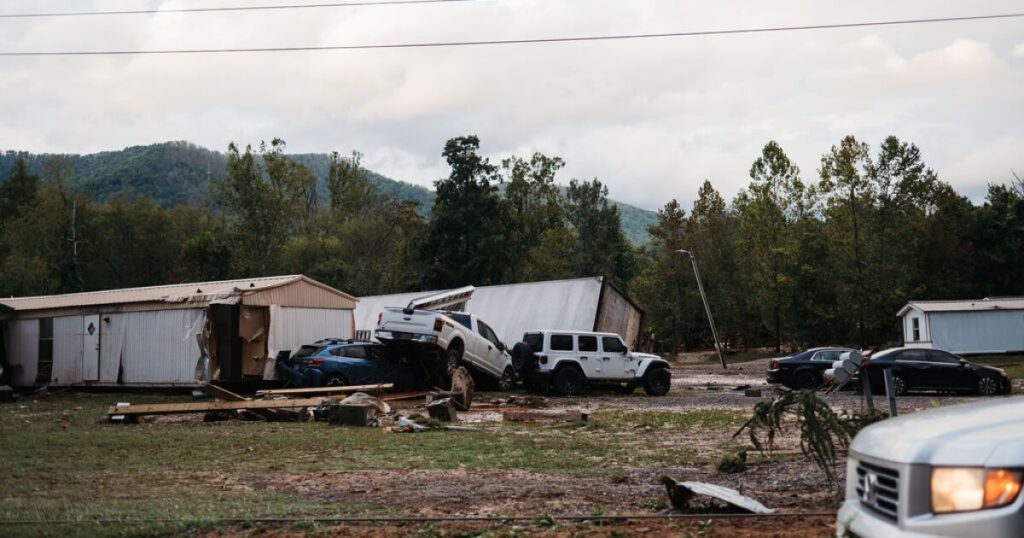
In the wake of Hurricane Helene, Asheville faces a challenging dilemma: how to best allocate a substantial $225 million grant from the Department of Housing and Urban Development (HUD). A recent investigation by BPR News reveals the complexity of this task, highlighting that only $3 million has been earmarked for home repairs, leaving many in need.
The misunderstanding arose when City Council members assumed that the state would handle the majority of home repairs via the Renew NC program. As a result, hundreds remain on the waiting list with no assurance of future funding. For more details, visit this link.
Prioritizing the Vulnerable
Out of the grant, only eight households have been chosen to receive repairs under the HUD program. These “Phase One Priority One” households are identified by their income levels—below 60% of the area median—and include elderly, disabled, or families with children. Despite at least 87 households qualifying for this priority, the limited funds mean many others approved for assistance remain waitlisted. For more information, see this article.
Administrative Costs and Budget Allocation
The city has allocated $14.9 million for administrative expenses. This includes $11.25 million for staff time and management, and $3.76 million for planning. These funds cover costs related to the Action Plan’s development and oversight, as detailed in the city’s performance report.
Housing Repair vs. Affordable Housing
While $3 million is set aside for home repairs, $28 million is dedicated to affordable housing. The latter focuses on building new multi-family units or rehabbing existing ones, with the requirement that at least 51% of these units remain affordable. Currently, $10 million of this fund is committed to low-income housing projects, with $18 million reserved for future use.
Economic Development and Infrastructure
Contrary to some beliefs, the $50 million allocated for economic development is not directed to the TDA. Instead, it will support projects like streetscape improvements and risk mitigation. A substantial $125 million is earmarked for infrastructure upgrades, including enhancements to water treatment facilities and stormwater systems.

Clarifying Misconceptions
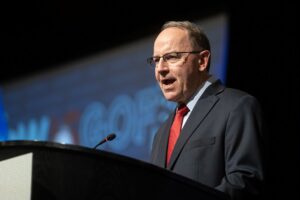
Despite speculation, Mayor Esther Manheimer is not involved in real estate development. She is a practicing attorney specializing in land use and commercial litigation. Additionally, while FEMA provides financial aid for individual recovery needs, these funds often fall short of covering the full damage costs.
Get in Touch
If you’ve applied for home repair assistance, your experience matters. Reach out to our reporters at this email with the subject line “HUD investigation followup.”