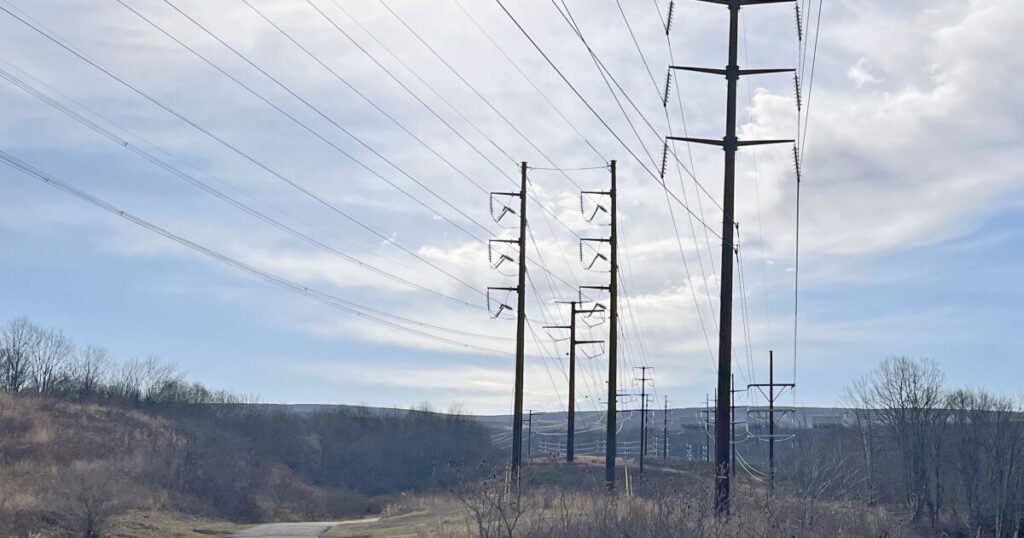
The rapid expansion of data centers driven by the growth of artificial intelligence is putting unprecedented pressure on the electrical grid. To address this challenge, the Pennsylvania Public Utility Commission (PUC) has proposed new guidelines to facilitate the connection of large energy consumers while safeguarding consumers from price hikes.
PJM Interconnection, the operator of the regional electrical grid, attributes rising electricity costs to the proliferation of data centers. As these facilities demand more energy, there are implications for the entire grid, including potential rate increases for residential consumers.
The PUC’s model tariff is a non-regulatory framework intended to expedite connections for high-demand users like data centers, while aiming to protect consumers from increased energy bills. PUC Chairman Stephen DeFrank emphasized the urgency of this initiative, noting, “Data centers and advanced manufacturing are causing explosive load growth that our system has not seen in generations.”
Last year, residential electricity bills soared by 10 to 20% due to capacity costs set by PJM Interconnection, with Pennsylvania experiencing a 21% increase in utility shutoffs.
Discussing the financial impact, Elizabeth Marx of the Pennsylvania Utility Law Project stated, “We are already paying in the neighborhood of a billion dollars more this year in generation costs as a result of that increase in capacity, which is directly attributed to the load growth from data centers.”
The Crucial Elements of the Model Tariff
The PUC’s guidelines categorize large load consumers as those with energy needs exceeding 50 megawatts individually or 100 megawatts in total, equating to the power usage of 10,000 to 100,000 homes. The recommendations include financial penalties for developers who terminate contracts prematurely, ensuring that consumers are not left bearing the cost of uncompleted projects.
The guidance also encourages contributions from large energy users to universal service programs, helping those who struggle to pay their bills. Amendments proposed by DeFrank suggest allowing these large consumers to build their own infrastructure when feasible, thus preventing the costs from trickling down to the average ratepayer.
PUC Vice Chair Kimberly Barrow remarked, “The devil’s going to be in the details,” urging electric distribution companies to develop comprehensive rules to meet regional challenges.
Industry and Stakeholder Reactions
The Data Center Coalition praised the PUC’s proactive approach, with Vice President Dan Diorio highlighting that the tariff framework is “generally structured, transparent, and workable.” However, he emphasized the importance of ensuring that utility filings align with cost causation principles.
Marx called for additional measures beyond the model tariff, suggesting legislative actions might be necessary to fully protect consumers. In parallel, PECO, a major energy company, confirmed its review of the proposal, stressing the need to maintain a reliable grid without shifting costs to residential customers.
PUC Commissioner Kathryn Zerfuss acknowledged the model tariff as a preliminary step toward balancing grid reliability with affordability, while encouraging innovation beyond the established guidelines.
The Energy Association of Pennsylvania expressed support for the PUC’s efforts, with President Andy Tubbs describing the initiative as both commendable and necessary.
Further insights are available from our partners at WHYY.