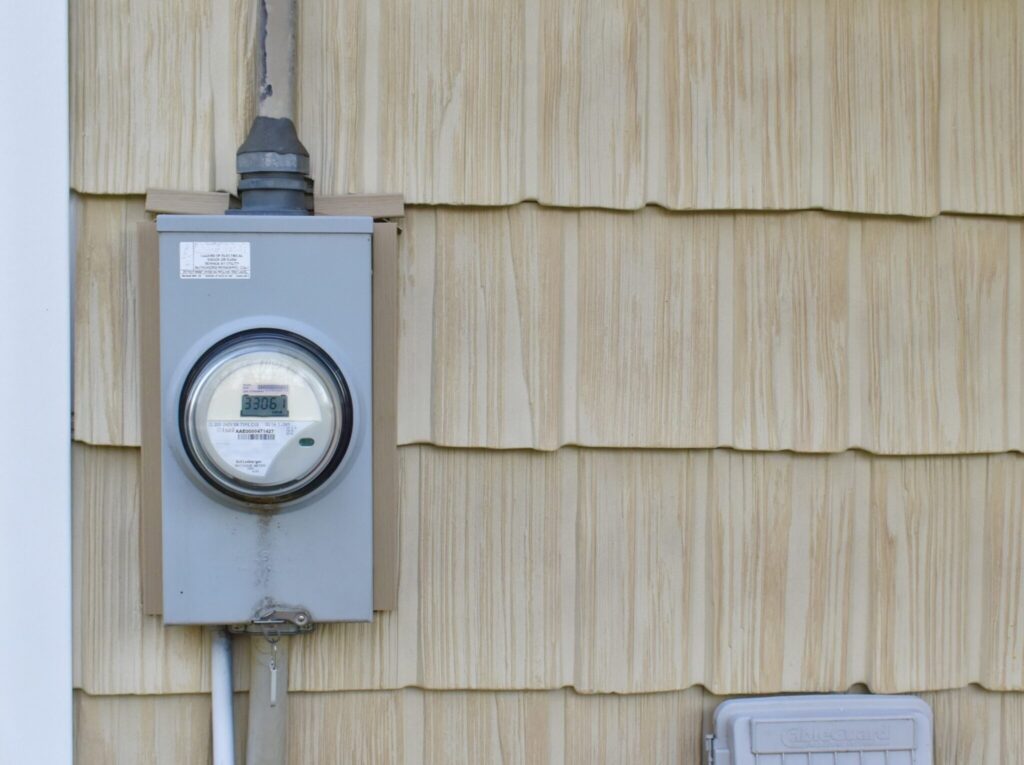
As summer approaches, households bracing for high utility costs shouldn’t expect a break from steep air conditioning bills. According to the National Energy Assistance Directors Association, electricity costs from June to September are projected to average $778, marking an 8.5% rise from last year and a 37% increase since 2020. The increase is driven by hotter weather patterns and rising electric rates.
Mark Wolfe, the association’s executive director, stated, “Families are squeezed from both directions. They are paying more for electricity, and they need more of it to stay safe during increasingly hot summers.” The South, particularly the South Atlantic states from Delaware to Florida, will see the most significant impact, with average cooling costs expected to rise by over $100 compared to last year. Meanwhile, the Midwest anticipates a $30 increase per household.
Approximately one in six American households are currently behind on energy bills, with total utility debt projected to hit $23 billion by year’s end. The association is calling on Congress to boost funding for energy assistance, as energy costs rise more than twice the inflation rate.
State lawmakers are scrutinizing electricity prices, but options for consumer relief are limited due to overarching energy market conditions. The Edison Electric Institute attributes price increases to factors such as heightened electricity demand, severe weather, and new technologies. It plans to invest over $1.1 trillion in grid improvements over the next five years to accommodate these changes.
Chris Womack, EEI Vice Chair, emphasized the importance of infrastructure development in meeting growing demands and supporting future technologies. A February study revealed that while electricity prices have stabilized nationwide, spikes in certain regions continue to elevate national averages, driven by market and policy shifts beyond utility providers’ control.