University of Michigan Pioneers Social Prescribing Initiatives
The University of Michigan is stepping into the future of healthcare with the launch of two novel social prescribing programs: Experience Rx and the Institute for Social Prescribing. These initiatives aim to enhance well-being by connecting individuals to non-clinical activities such as arts, movement, and nature, thus reducing isolation and improving community health.
Social prescribing, a concept that goes beyond traditional clinical treatments, allows for personalized recommendations that foster social connections, promote engagement, and enrich community life. The University of Michigan’s initiatives aim to bring this innovative approach to the forefront of campus well-being strategies.
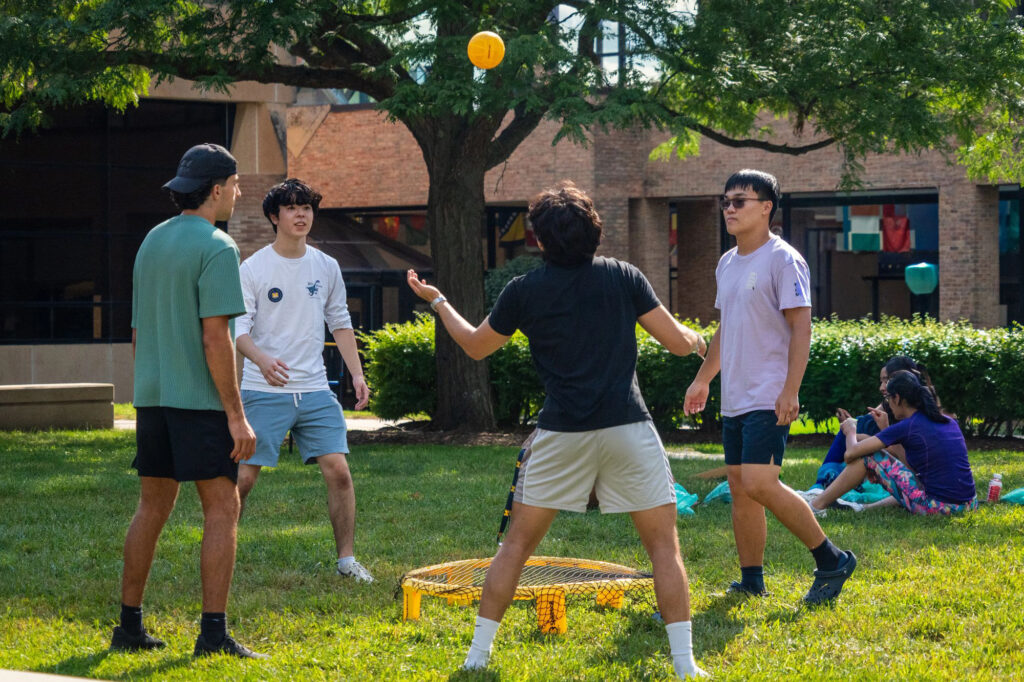
Experience Rx, part of the Well-being Collective, is among the first comprehensive social prescribing programs on a U.S. college campus. Unlike other initiatives that might focus on singular themes, Experience Rx offers a wide array of services including arts, nature, physical activity, shared meals, and community service.
The program builds on the foundations of Nature Rx and Arts Rx, which have already demonstrated the benefits of using university resources to create engaging experiences for students.
“The U.S. is behind other countries when it comes to social prescribing. What we are doing at Michigan is really groundbreaking nationally,” said Joy Pehlke, director of health promotion and Wolverine Wellness.
Mark Clague, executive director of the U-M Arts Initiative, emphasized the collaborative potential at Michigan: “Social prescribing is a dynamic tool for a thriving campus community. We have the resources in place at U-M and can bring this work to scale. Our collaborative skills and the many great people involved in our campus well-being network already position U-M to lead the way in social prescribing.”

Leading the Institute for Social Prescribing, co-directors Mark Clague and Lindsey Mortenson plan to conduct research on both local and global social prescribing programs. With support from the Office of the Vice President for Research’s Impact Institutes, they aim to understand and enhance these programs on a wider scale.
“We are really excited to better understand the design, implementation, and impact of social prescribing interventions,” said Mortenson. “Our hope is that we can improve the quality of life in college communities in ways that can be measured, replicated and extended around the world.”
The upcoming months will see expansions in both Experience Rx and the Institute for Social Prescribing, with new programs and research opportunities expected. Those interested can join mailing lists to stay updated on developments.
The versatility of social prescribing has attracted attention from both non-clinicians and healthcare professionals, as it can be tailored to individual needs.
In April, the Well-being Collective welcomed Kate Mulligan, an international social prescribing expert from the University of Toronto, to share insights with the campus community.
“Kate describes this work in a really beautiful way: we shift from what is the matter with you to what matters to you,” stated Rob Ernst, chief health officer at the university. “The more I learn, the more interested I am in the potential of social prescribing to strengthen our university well-being systemically. More people participating in more activities that bring them joy — that is a thriving campus.”