UNC Wilmington Sets Sights on New Medical School Amidst Physician Shortage
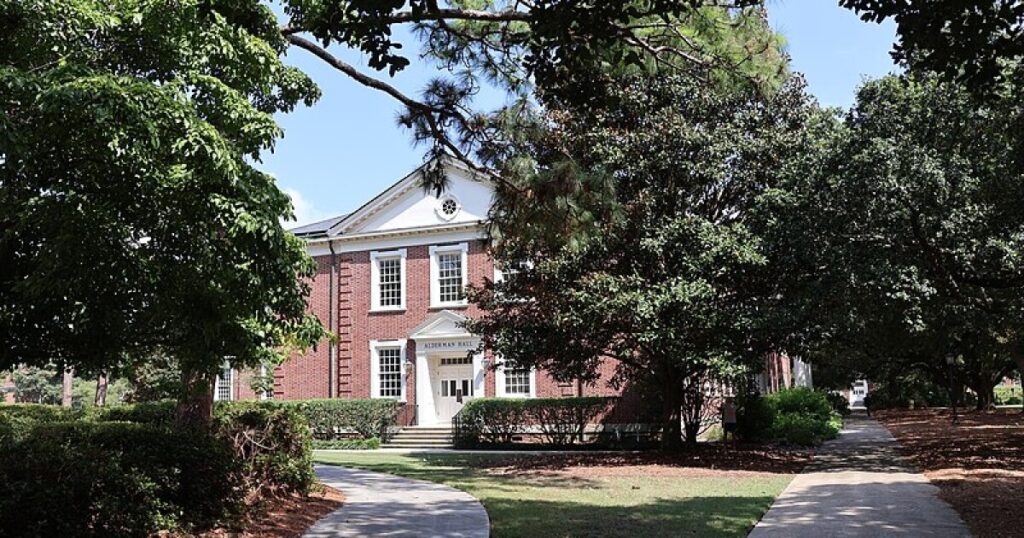
The University of North Carolina Wilmington is taking steps to establish a new medical school, aiming to address the growing demand for primary care physicians in the region. The proposed program will offer both an accelerated three-year track and a traditional four-year track, focusing on primary care specialties.
During a recent meeting with the UNC Board of Governors, Chancellor Aswani Volety outlined the university’s vision for the medical school. He highlighted that this would be the first new medical school approved by the board in over five decades. “There have been addition of medical seats, medical programs in our state and expansion of medical seats in the public sector, yet the physician supply does not meet the current demand,” Volety explained. “This is especially more severe in rural areas like we have in Southeast North Carolina.”
Currently, the nearest public medical school is more than two hours away from Wilmington, creating a significant gap in medical education accessibility. North Carolina ranks 40th nationally in terms of medical students per capita, a situation Volety attributes to limited educational opportunities rather than a lack of student interest. In 2025, 1,400 North Carolina residents applied to medical schools, but less than half were admitted.
UNC BOG Meeting Materials
Yousry Sayed, a prominent trustee and donor at UNCW, voiced strong support for the initiative. Reflecting on his time as a faculty member, Sayed shared, “Year after year, I write hundreds of recommendation letters to medical schools and I’d be lucky to get one student. I had to get in my car, take a student to go and meet with the admissions committee to try to beg for that student to get in. So I think we all agree that if there’s an opportunity, we need to pursue this.”
Chancellor Volety is working to secure significant financial backing for the medical school, targeting a nine-figure donation. He is also engaging with healthcare organizations to establish clinical partnerships and residency programs. The medical school aims to offer a curriculum that incorporates modern educational tools, including simulations and artificial intelligence, to enhance learning experiences.
The path to the first graduating class is expected to span seven to eight years. “This curriculum is built from ground up and not an add on,” Volety emphasized. “It includes technology-enabled learning, such as simulations, artificial intelligence, clinical experiences (to) leverage many of the modern tools that we have today.”

UNC BOG Meeting Materials
The proposal is still in its early stages, with the Board of Governors set to discuss and vote on its authorization in May. While awaiting formal approval, several board members have expressed their support for the ambitious project. “This is a very lengthy process. The need is there. The shortage is significant. The best time to tackle any problem like this was yesterday,” Volety remarked, emphasizing the urgency of the initiative.