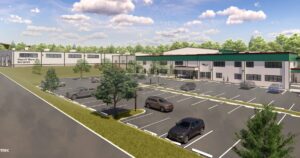
In the quiet borough of Archbald, a proposed data center has sparked a heated debate among residents, raising questions about development, environmental impact, and community values. The Wildcat Ridge Data Center, a project spearheaded by Cornell Realty Management, has become the center of controversy, with residents like Mary Therese McKane voicing strong opposition.
Community Concerns Emerge
Mary Therese McKane, a resident of Archbald, expressed her dissatisfaction with the Wildcat Ridge Data Center and the promotional materials distributed by the developers. “You think we want this?” she asked, emphasizing her desire for clean air and water, and a peaceful environment for her family and neighbors.
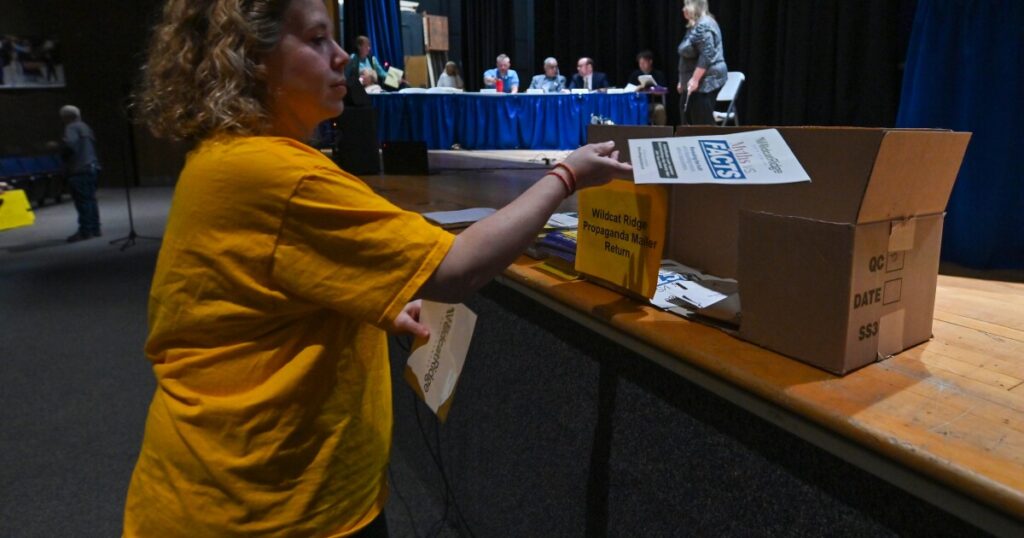
McKane, along with other residents, returned the marketing brochures titled “Myths vs. Facts: Revealing the truth and dispelling rumors about data centers” at a recent zoning hearing. The proposed 14-building campus is intended to be built on 500 acres along Route 247, but it must first navigate the borough’s conditional use process.
Developer’s Defense
Cornell Realty Management, represented by attorney Edmund Campbell, aims to demonstrate the project’s compliance with local zoning laws. Despite repeated hearings, the company’s founder, Isaac Hager, has yet to appear. The data center is one of six proposed in the area, highlighting the scale of the development plan.
Marketing Backlash
Residents were incensed by glossy pamphlets distributed by Ryan Leckey Media on behalf of Cornell, using data from an economic impact study by planner Tom Shepstone. The study claims the data center will generate $45 million in annual tax revenue, but some residents dismissed the materials as “propaganda.”
The reaction was visible when attendees returned the pamphlets, with some calling for a box labeled “propaganda” to be removed from the stage. Campbell disputed the appropriateness of the box, and when it was removed, residents disposed of the pamphlets in protest.
Traffic and Environmental Concerns
Traffic analysis by L&V Engineering estimates 2,498 daily trips generated by the center, based on ITE standards. However, attorney Justin Richards, representing residents, questioned the accuracy, noting that proposed buildings are significantly larger than those in the ITE study. L&V’s Jerilyn D. Luben acknowledged the discrepancy, citing the lack of alternative data.
Misewicz-Healey, a resident with party status, highlighted potential traffic issues and questioned the comprehensiveness of the trip generation summary. Council member Erin Owen also raised concerns about the cumulative impact of six data centers on local traffic.
Public Sentiment and Future Hearings
With roughly 500 attendees, the hearing saw significant public opposition, including Lackawanna County Commissioner Bill Gaughan and resident Madonna Munley, who criticized the developers’ marketing tactics. Munley emphasized that local residents are self-funding their opposition to protect the community.
Megan Farrell, a fifth-generation resident, addressed Cornell directly, disclosing her efforts in organizing anti-data center materials. “We do it for our family, our passion to protect this town and its residents,” she declared.
The ongoing debate will continue at the next hearing on May 14 at the Valley View High School auditorium.