Debate Over Data Centers Sparks Political Change in North Carolina
In Edgecombe County, North Carolina, a proposal for a large data center has ignited community concern and political upheaval. David Batts, a local resident, has become the face of opposition, challenging a long-standing commissioner over the project.
Recently, the Edgecombe County Board of Commissioners modified zoning laws, permitting data centers and cryptomining facilities in the Kingsboro Industrial Park. The focus now shifts to the potential sale of 120 acres to Energy Storage Solutions for a proposed data center.
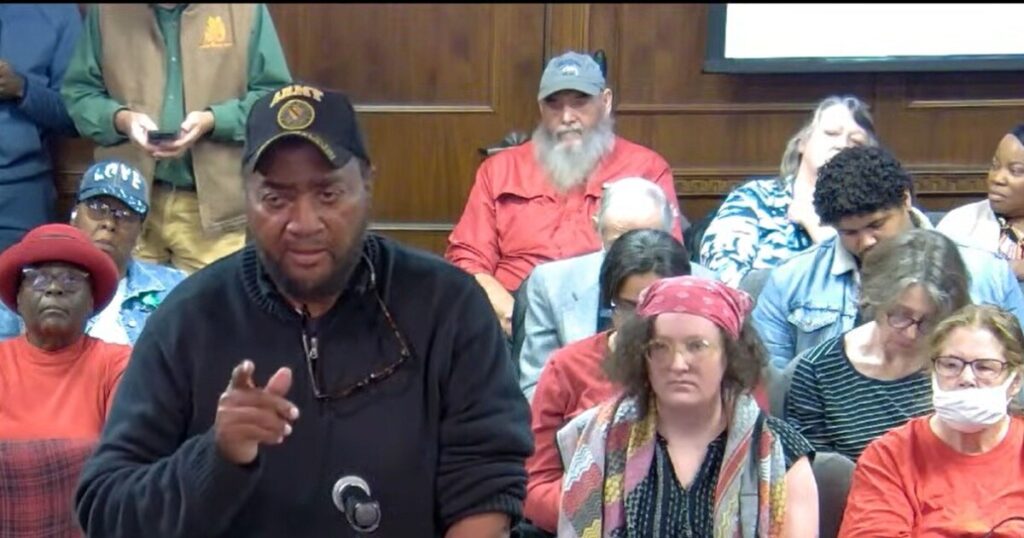
David Batts lives close to the proposed site and attended a community meeting that left him dissatisfied with the information provided. At a subsequent Board of Commissioners meeting, Batts voiced his concerns about the project’s impact on local employment and noise levels. “We will primary you. And we will try to get people that really stand up for the community of Kingsboro,” he declared, later announcing his candidacy against incumbent Donald Boswell in the upcoming Democratic primary.
Boswell did not respond to requests for comment, but he previously stated, “I can’t find anything wrong with them — and I’ve done all the research I can.” However, Batts’ campaign resonated with the community, leading him to victory in the March 3 primary.
Across North Carolina, data center proposals are meeting resistance. In Stokes County, a $10 billion project faced significant local opposition, resulting in legal action against the county. Meanwhile, in Apex, a developer withdrew plans for a data center following public backlash. Similar concerns arise in Vance County, where rezoning efforts have residents worried about potential data center developments.
Polling by Elon University reveals widespread opposition to data centers, with only 24% of 800 surveyed individuals in favor. Notably, the North Carolina Environmental Justice Network is actively organizing against data centers, citing concerns over utility costs, environmental impact, and the transition of rural areas to industrial use.
Masri of the N.C. Environmental Justice Network highlights the potential drawbacks of data centers, including increased utility costs and environmental concerns. The group is actively connecting local organizations to share strategies and concerns.
Industry Perspective
The Data Center Coalition counters these concerns, citing research indicating potential benefits like reduced electricity costs. Dan Diorio, the coalition’s vice president, suggests that opposition may stem from broader technological anxieties, particularly around artificial intelligence.
Kingsboro’s History of Resistance
Kingsboro has a history of mobilizing against unwanted developments. Residents successfully opposed a slaughterhouse project in the 1990s. Today, Batts and fellow activists leverage modern technology to organize against the data center, drawing parallels to past efforts.

As Batts reflects on recent developments, he remains skeptical about the benefits of the proposed data center, especially when compared to previous projects like the Triangle Tire and battery plants which promised more tangible benefits for the community.
Despite setbacks like the QVC distribution center fire, Kingsboro continues to advocate for developments that align with the community’s needs. Batts, now a commissioner-elect, plans to stay engaged in the ongoing data center discussions, hoping to ensure community interests come first.
Moratoriums as a Tool
In response to uncertainty, several North Carolina locales have enacted moratoriums on data center development. Gates County, for example, is closely examining the potential strain on resources that a data center might bring. Chairwoman Emily Truman emphasizes the importance of aligning projects with community values.
As Batts and fellow activists continue their efforts, they aim to gather signatures to prevent the sale of land for the data center. The developer has yet to submit a formal proposal, leaving much in the air.
With growing awareness and opposition, Batts believes the community can find the necessary momentum to influence future developments in Kingsboro, stating, “It’s catching a fire, and the more (people) hear about it, the more they want to know.”